
Indonesia Transforms Culinary Tourism Across Sumatra, Bali, and Java Through Spice Heritage in 2026
Indonesia is redefining its global tourism appeal by leveraging the legendary spice heritage and regional flavors of Sumatra, Bali, and Java to attract experiential travelers.

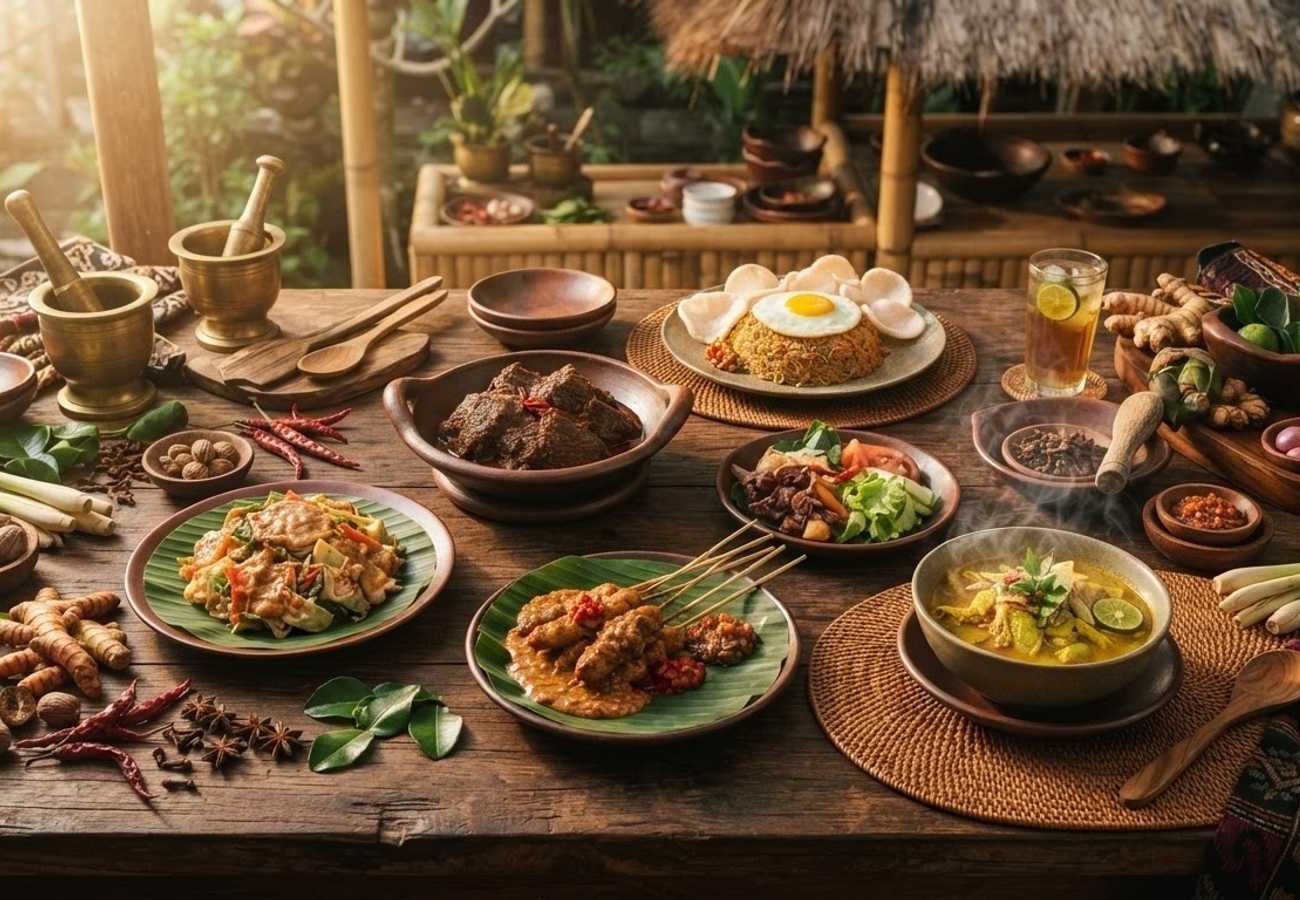
Image generated by AI
Indonesia is pivoting its tourism strategy to highlight the archipelago's vast gastronomic diversity, positioning Sumatra, Bali, and Java as primary hubs for authentic food journeys. By integrating ancestral spice traditions with modern experiential travel, the nation is moving beyond traditional sightseeing to offer visitors a deeper cultural immersion through taste.
The world's largest archipelagic state is leveraging its unique geography—comprising thousands of islands and hundreds of distinct ethnic groups—to create a fragmented yet cohesive culinary map. This shift is not merely about dining but about presenting food as a living history of cultural exchange and regional identity. From the heat of Sumatran spices to the ceremonial offerings of Bali, the government and local operators are transforming the act of eating into a primary travel motivator.
Regional Gastronomy as a Driver for Destination Development
Tourism authorities across the archipelago are now treating culinary heritage as a critical pillar of destination development. The goal is to decentralize tourism, pushing visitors away from overcrowded landmarks and toward local markets, family-run kitchens, and community-led food trails.
This strategic shift focuses on several core experiential elements that connect the traveler directly to the local population:
| Culinary Tourism Element | Traveler Experience |
|---|---|
| Traditional dishes | Discover regional heritage |
| Spice-based cuisine | Experience Indonesia’s historic flavours |
| Local markets | Connect with communities |
| Cooking experiences | Learn traditional techniques |
| Food trails | Explore destinations through taste |
The Global Appeal of Indonesia's Spice Heritage
The international rise of Indonesian cuisine is rooted in a complex blend of indigenous methods and centuries of global trade. The "Spice Islands" legacy continues to define the flavor profiles found across the islands, utilizing a consistent base of coconut milk, aromatic herbs, chili, and fresh seafood.
Certain dishes have transitioned from local staples to global icons, serving as entry points for international tourists. These dishes often vary significantly by province, providing a reason for travelers to visit multiple regions to compare interpretations.
| Famous Indonesian Dish | Origin / Association | Travel Appeal |
|---|---|---|
| Rendang | West Sumatra | Slow-cooked spice tradition |
| Nasi goreng | Nationwide favourite | Iconic Indonesian comfort food |
| Satay | Various regions | Popular grilled food experience |
| Soto | Multiple provinces | Regional soup traditions |
| Gado-gado | Java | Traditional vegetable dish |
Bali Integrates Wellness and Gastronomy
While Bali remains a powerhouse for beach tourism, the island has evolved into a world-class culinary destination. The current trend focuses on the intersection of nature and nutrition, particularly in Ubud, where rice terraces provide a backdrop for organic farm-to-table experiences.
Travelers are increasingly seeking "Warungs" (small, family-run eateries) to find authentic meals that reflect the island's religious and community-centric lifestyle. The integration of traditional Balinese cooking classes allows visitors to engage with the specific spice combinations used in ceremonial dishes, bridging the gap between tourism and cultural anthropology.
Java as the Cultural and Culinary Epicenter
Java serves as the heart of Indonesia's traditional food scene, offering a contrast between the urban chaos of Jakarta and the royal traditions of Central Java. In cities like Yogyakarta and Surakarta, food is inextricably linked to the history of the Javanese sultanates.
Yogyakarta is particularly renowned for Gudeg, a slow-cooked young jackfruit dish that symbolizes the patience and hospitality of the region. In the north, Bandung has become a hub for Sundanese snacks, while Jakarta serves as a melting pot where Soto Betawi and Nasi Uduk showcase the capital's diverse ethnic influences.
Sumatra's Legacy of Powerful Flavors
Sumatra represents the boldest end of the Indonesian flavor spectrum. The region's culinary identity is dominated by the Minangkabau people of West Sumatra, whose mastery of slow-cooking and spice blending produced Rendang, now globally recognized as one of the world's most flavorful dishes.
The island's food map is a reflection of its history as a global spice hub:
- West Sumatra: Defined by rich, spice-heavy curries and coconut-based reductions.
- Aceh: Influenced by strong herbal notes and historical trade with India and the Middle East.
- North Sumatra: A diverse mix of Batak and Malay flavors.
Expanding the Map: Sulawesi and Lombok
To further reduce the reliance on Bali and Java, the tourism sector is promoting the maritime flavors of Sulawesi and the spicy traditions of Lombok. Sulawesi’s geography makes it a premier destination for seafood enthusiasts, while Lombok’s Sasak community offers a distinct, pungent flavor profile that differs sharply from the sweeter notes of Central Java.
| Destination | Culinary Highlights |
|---|---|
| Sulawesi | Seafood, regional spices and local dishes |
| Lombok | Spicy cuisine and traditional recipes |
| Flores | Local ingredients and island flavours |
Socio-Economic Impact on Local Communities
The transition toward culinary-centric tourism provides a direct economic boost to the grassroots level. Unlike luxury resort tourism, food tourism distributes wealth among small-scale farmers, traditional fishermen, and home-based entrepreneurs.
By increasing the demand for regional ingredients, this model incentivizes the preservation of heirloom crop varieties and ancestral recipes that might otherwise be lost to industrialization. Furthermore, it encourages "slow travel," where visitors spend more time in rural villages to participate in cooking workshops, thereby expanding the tourism economy into previously ignored provinces.
Why This Matters for the Modern Traveler
For the traveler, the shift toward culinary tourism in Indonesia means a move away from "sanitized" tourist experiences toward raw, authentic engagement. From a logistical standpoint, this creates a new map for itinerary planning—one based on taste profiles rather than just landmarks.
Entering a local market in Sumatra or attending a family meal in Java provides a level of "Information Gain" that a museum visit cannot; it offers a visceral understanding of how geography, climate, and colonization shaped the identity of the Indonesian people. For the conscious traveler, this represents a more ethical way to visit the country, as the financial benefits flow directly to the keepers of the culture.
The archipelago is no longer just a place to see, but a place to taste.
Related Travel Guides
Disclaimer
This article is for informational and educational purposes only. It does not constitute legal, financial, or professional advice. While we strive to provide accurate and up-to-date information, travel policies, regulations, and conditions change rapidly. Always verify information with official sources before making travel decisions. Nomad Lawyer makes no representations about the accuracy, reliability, completeness, or suitability of the information provided. Readers should consult qualified professionals for advice specific to their circumstances. The views expressed in this article are those of the author and do not necessarily reflect the views of Nomad Lawyer.
Raushan Kumar
Founder & Lead Developer
Full-stack developer with 11+ years of experience and a passionate traveller. Raushan built Nomad Lawyer from the ground up with a vision to create the best travel and law experience on the web.
Learn more about our team →