
Indians Among Crew Stranded on Hantavirus-Hit Cruise Ship
Two Indian crew members remain stranded aboard MV Hondius after a deadly hantavirus outbreak kills three passengers in May 2026, raising concerns about maritime worker safety and family communication protocols.

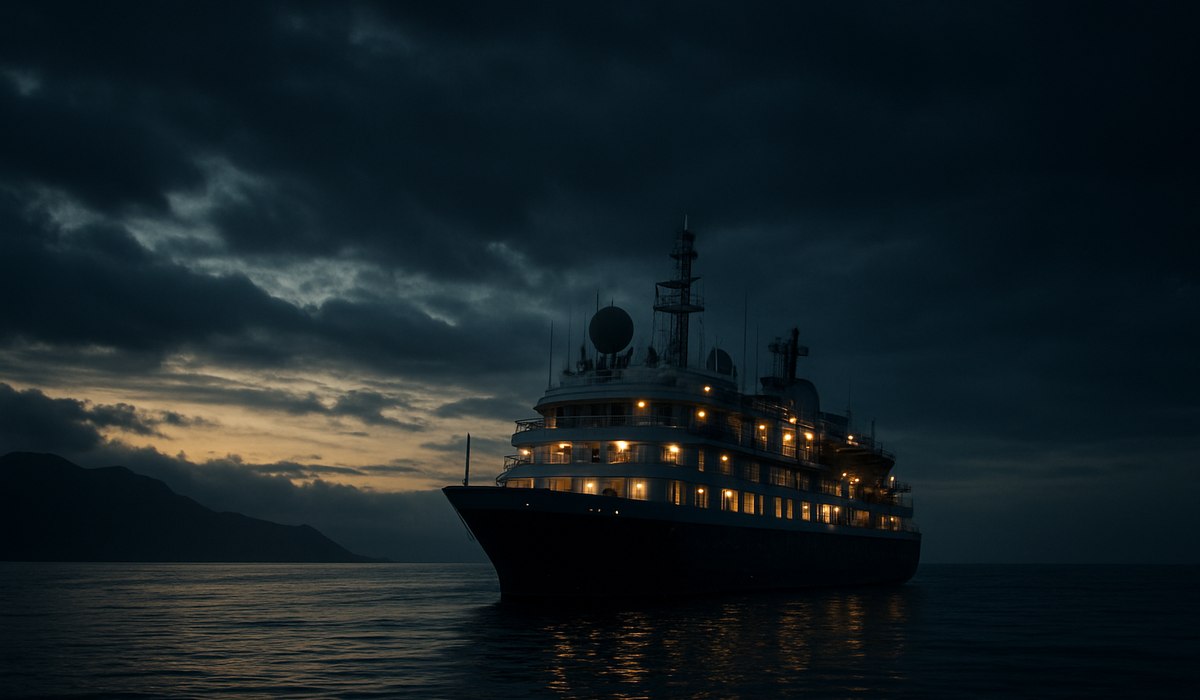
Image generated by AI
Breaking: Indians Among Crew Confined on Virus-Stricken Expedition Vessel
Two Indian crew members are among approximately 150 people stranded aboard the Dutch-operated MV Hondius after a hantavirus outbreak in the Atlantic Ocean claimed three passenger lives and sickened numerous others. The expedition cruise ship, which departed Argentina in early April for Antarctic and South Atlantic voyages, became a quarantine zone by early May following the detection of multiple confirmed and suspected cases. While the exact medical status of the Indian crew members remains undisclosed, their families face prolonged uncertainty as health authorities conduct assessments and coordinate complex evacuation procedures across international waters near West Africa.
Indian Crew Caught in Mid-Ocean Health Crisis
The emergence of Indians among crew members on the MV Hondius underscores the global nature of modern maritime employment. Indian seafarers routinely accept multi-month contracts aboard foreign-flagged vessels, viewing such postings as stable income opportunities. However, the sudden hantavirus outbreak transformed what began as a routine expedition job into a medical emergency unfolding thousands of kilometers from home.
Indian media coverage has highlighted the anxiety among families seeking transparency about their relatives' health status and evacuation timelines. While Philippine officials reported that dozens of Filipino crew members tested negative for the virus, comparable clarity for Indian nationals has been slower to emerge. The two stranded Indians represent part of a diverse international workforce—including crew from Asia, Europe, and Latin America—now subject to rigorous health monitoring and restricted movement aboard the confined vessel anchored off the West African coast.
Global Maritime Workforce Under Scrutiny
This incident has intensified scrutiny of working conditions and communication protocols affecting the worldwide maritime labor force. The International Maritime Organization estimates that seafarers from developing nations comprise over 80 percent of global merchant and cruise vessel crews, yet face variable protections and communication standards during health emergencies.
Industry observers note that Indians among crew populations often lack direct institutional advocacy when crisis situations develop offshore. Unlike passengers from wealthier nations who receive coordinated consular support, maritime workers sometimes experience information delays and slower evacuation prioritization. The Hondius situation has prompted fresh discussions among Indian maritime unions and government agencies about strengthening bilateral agreements with cruise operators regarding crisis communication, medical evacuation procedures, and repatriation support during infectious disease outbreaks.
Evacuation and Testing Delays Leave Families Waiting
The timeline for the MV Hondius outbreak reveals cascading logistical challenges that complicated evacuation efforts. According to international health sources, the first critical illness occurred mid-April, with a passenger's death disembarked at remote Saint Helena. The ship continued northward before additional severe cases triggered wider hantavirus suspicion in early May, at which point the vessel's trajectory shifted toward quarantine procedures.
When the Hondius reached waters near Cape Verde, at least eight suspected or confirmed cases had been identified. The ship could not dock at Cape Verde due to international biosecurity protocols, remaining anchored offshore while destination countries deliberated procedures for receiving a virus-associated vessel. These delays extended the ordeal for stranded crew members, whose families waited weeks for medical clearance confirmation. Testing protocols, while thorough, proceeded slowly given the rarity of hantavirus and limited onboard laboratory capacity.
What We Know About Hantavirus on Expedition Vessels
Health experts have identified the Andes virus strain—a South American hantavirus variant—as the likely pathogen linked to the Hondius cluster. This particular strain distinguishes itself from most hantaviruses through documented capacity for limited person-to-person transmission, typically occurring among close contacts rather than casual exposure.
The virus triggers hantavirus cardiopulmonary syndrome in many infected individuals, progressing from flu-like symptoms to acute respiratory failure and circulatory shock. Published fatality rates for related hantaviruses range from 30 to 50 percent in severe cases, though outcomes depend significantly on early detection and access to intensive care. Expedition cruise vessels operating in remote regions face particular vulnerability since they combine confined quarters with isolation from advanced medical facilities. The likely exposure origin traced to birdwatching excursions around Ushuaia, Argentina, where rodent-contaminated environments near the embarkation port may have provided the initial transmission point before passengers boarded the ship.
| Aspect | Details |
|---|---|
| Vessel | MV Hondius (Dutch-operated expedition cruise ship) |
| Total Stranded | Approximately 150 passengers and crew |
| Indian Crew Members | 2 confirmed stranded aboard |
| Confirmed Deaths | 3 passengers |
| Suspected/Confirmed Cases | 8+ by early May 2026 |
| Virus Strain | Andes virus (hantavirus variant) |
| Fatality Rate | 30-50% for severe hantavirus cases |
| Primary Exposure Location | Ushuaia, Argentina (pre-embarkation) |
| Current Status | Vessel anchored off West African coast, ongoing health assessments |
| Key Concern | Person-to-person transmission capability documented for Andes strain |
What This Means for Travelers
-
Research expedition vessel health protocols before booking Antarctic or remote polar cruises. Verify that operators maintain updated medical facilities, rapid diagnostic capabilities, and explicit evacuation agreements with regional health authorities.
-
Understand crew composition and nationality when selecting cruise operators. Choose companies with documented support systems for international workers during medical emergencies, ensuring transparent communication channels with families regardless of crew origin.
-
Monitor pre-embarkation health screening conducted in departure regions. Insist that cruise operators implement rigorous health questionnaires and symptom checks for all passengers at embarkation points, particularly in areas with rodent-borne pathogen risks.
-
Review travel insurance coverage for infectious disease scenarios, including medical evacuation costs and extended quarantine expenses. Standard policies may exclude epidemic-related claims without specific coverage endorsement.
-
Check consular support availability if traveling as a citizen of a non-traditional maritime employment nation. Ensure your home country maintains consular presence and communication protocols with cruise operators for emergency situations unfolding at sea.
FAQ
Q: Can hantavirus spread between cruise ship passengers during normal contact? Andes virus, the strain identified on MV Hondius, shows limited person-to-person transmission capability—primarily documented among close contacts rather than casual encounters. Expedition cruises typically involve shared spaces, requiring heightened vigilance and transparent communication about confirmed cases.
Q: What immediate medical support exists for crew members stranded during outbreaks? Support varies significantly by flag state and bilateral agreements. The MV Hondius situation revealed delays in coordinated medical evacuation. Crew from nations with stronger maritime agreements received faster clarity, while other nationalities experienced prolonged uncertainty regarding health status and repatriation timelines.
Q: How do expedition cruises in remote regions handle sudden infectious disease detection? Protocols depend on vessel capabilities, nearby port availability, and international biosecurity requirements. The Hondius was unable to dock in Cape Verde, requiring offshore anchoring while authorities debated reception procedures—a scenario that complicates both passenger and crew care during active outbreaks.
Q: Should travelers avoid booking Antarctic expeditions following the Hondius incident? Antarctic cruises remain generally safe when operators maintain updated medical facilities, clear evacuation protocols, and transparent communication systems. The Hondius situation represents a rare convergence of exposure origin, delayed recognition, and logistical complications rather than endemic regional risk.
Related Travel Guides
Disclaimer
This article is for informational and educational purposes only. It does not constitute legal, financial, or professional advice. While we strive to provide accurate and up-to-date information, travel policies, regulations, and conditions change rapidly. Always verify information with official sources before making travel decisions. Nomad Lawyer makes no representations about the accuracy, reliability, completeness, or suitability of the information provided. Readers should consult qualified professionals for advice specific to their circumstances. The views expressed in this article are those of the author and do not necessarily reflect the views of Nomad Lawyer.
Raushan Kumar
Founder & Lead Developer
Full-stack developer with 11+ years of experience and a passionate traveller. Raushan built Nomad Lawyer from the ground up with a vision to create the best travel and law experience on the web.
Learn more about our team →