
Indians Among Stranded as Deadly Hantavirus Hits Antarctic Cruise Ship
Nearly 150 passengers including Indian nationals remain stranded aboard MV Hondius after a rare Andes hantavirus outbreak kills three travelers in 2026, triggering international evacuation efforts.

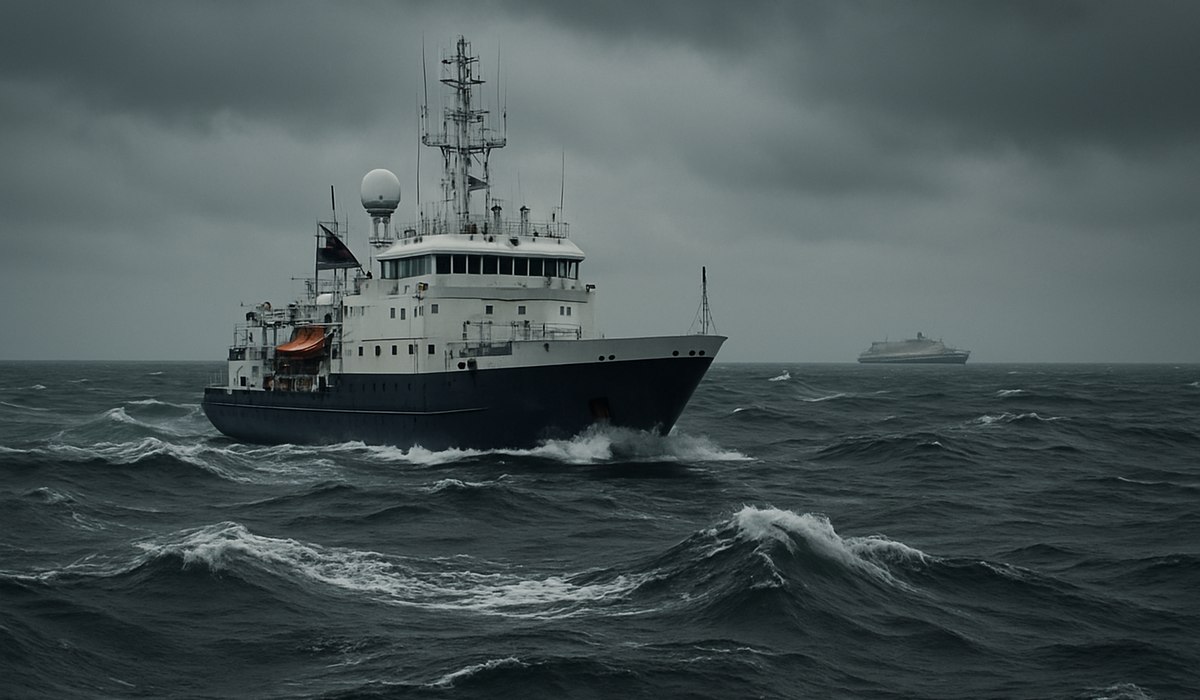
Image generated by AI
Outbreak Unfolds on Remote Antarctic Voyage
Nearly 150 passengers and crew, including Indian nationals, remain stranded aboard the MV Hondius after a rare Andes hantavirus outbreak claimed three lives and sparked an international public health emergency. The Dutch-flagged expedition vessel departed from Ushuaia, Argentina in late March on a weeks-long Antarctic and South Atlantic voyage before respiratory illness rapidly spread among passengers in early April. The ship, operated by Oceanwide Expeditions, was designed for ice-strengthened expedition cruising through remote polar regions when the outbreak forced authorities to confine most travelers to the vessel. As of mid-May 2026, health agencies confirmed that the deadly hantavirus has affected multiple nationalities, with epidemiological investigations ongoing across Europe, Africa, and Asia.
The voyage itinerary included South Georgia, the South Orkney Islands, the Weddell Sea, and remote Atlantic outposts like Tristan da Cunha and Saint Helena before the ship diverted toward Cape Verde. During this extended journey, several passengers became severely ill with respiratory symptoms consistent with Andes hantavirus, a pathogen rarely documented in maritime settings. According to international health agencies, at least three passengers died following treatment in South Africa and European hospitals, while confirmed and suspected cases continue to emerge among former crew members and travelers who disembarked at intermediate ports.
Indian Nationals Among Those Affected
Indian travelers form part of the international passenger roster aboard the affected expedition cruise, though exact numbers remain undisclosed by ship operators and health authorities. Regional media reports and travel industry sources indicate that Indian nationals booked this niche Antarctic itinerary months in advance, drawn by the rare combination of polar landscapes and remote island destinations otherwise difficult to access. Many traveled as independent explorers or joined organized expedition tour groups alongside passengers from Japan, Germany, the Netherlands, Switzerland, and other nations.
The geographical complexity of this voyage has complicated contact tracing efforts significantly. Since dozens of passengers disembarked at intermediate ports including Saint Helena and other remote territories, Indian health authorities now face the challenge of tracking individuals who may have returned to multiple states across India. Travel advisers serving Indian clientele report increased inquiries about health safety protocols for expedition cruises, though experts stress this incident reflects voyage-specific exposures rather than systemic risks across the cruise industry. Consular services from India are coordinating with South African and European governments to assist affected nationals and provide medical support where needed.
International Response and Evacuation Efforts
Authorities in Cape Verde initiated strict disembarkation protocols when the MV Hondius reached African waters, effectively confining most passengers to the vessel while emergency evacuation arrangements were coordinated for the most critically ill. The international response involved health agencies from the Netherlands, Germany, Switzerland, South Africa, and African nations working collaboratively to manage patient transfers and implement quarantine procedures. Emergency medical teams transported severely affected passengers to specialized treatment facilities across multiple countries for advanced respiratory care and hantavirus-specific interventions.
This maritime health crisis draws comparisons to early COVID-19 cruise outbreaks, though current epidemiological assessments suggest significantly lower public health risk. The Andes hantavirus demonstrates limited person-to-person transmission compared to respiratory viruses like influenza or coronavirus, reducing widespread contagion probability. Nevertheless, the long incubation period of this pathogen—potentially extending several weeks—means secondary cases may continue emerging as individuals complete their recovery periods. International maritime authorities are reviewing expedition cruise protocols for infectious disease prevention, particularly regarding medical screening and isolation capabilities aboard remote-route vessels.
Health Risks and Incubation Concerns
The Andes hantavirus typically associates with rodent exposure in South American regions, making this maritime cluster epidemiologically unusual and scientifically significant. Health investigators are examining whether shipboard rodent populations or contaminated food sources contributed to the outbreak, as traditional hantavirus transmission pathways involve contact with infected rodent urine, feces, or saliva. The virus incubates over two to four weeks before symptoms manifest, meaning individuals who disembarked at earlier voyage stops may only now develop respiratory illness requiring hospitalization.
Current confirmed cases show five of eight closely monitored individuals testing positive for Andes hantavirus, with potential secondary cases anticipated due to the virus's prolonged incubation window. Symptoms include fever, respiratory distress, muscle aches, and gastrointestinal complications, progressing to severe pulmonary syndrome in vulnerable populations. Travelers who participated in this voyage are advised to monitor their health closely for the next month, reporting fever, cough, or breathing difficulties to medical professionals immediately. No vaccine exists for Andes hantavirus, making early detection and supportive care critical for patient survival.
Key Data Table: MV Hondius Outbreak Facts
| Metric | Details |
|---|---|
| Vessel | MV Hondius (Dutch-flagged, Oceanwide Expeditions) |
| Departure Date | Late March 2026 |
| Departure Port | Ushuaia, Argentina |
| Final Destination | Cape Verde (West Africa) |
| Total Onboard | Approximately 150 passengers and crew |
| Confirmed Deaths | 3 confirmed, as of May 8, 2026 |
| Confirmed Cases | 5 of 8 closely monitored cases positive |
| Pathogen | Andes hantavirus (rare strain) |
| Incubation Period | 2-4 weeks before symptom onset |
| Countries Affected | Netherlands, Germany, Switzerland, South Africa, India, multiple others |
| Key Ports Visited | South Georgia, South Orkney Islands, Weddell Sea, Saint Helena, Tristan da Cunha |
| Indian Nationals | Present among passenger roster (exact count undisclosed) |
What This Means for Travelers
This Antarctic expedition outbreak underscores specific vulnerabilities in remote-route maritime travel that extend travelers must carefully consider:
-
Health Screening Protocols: Before booking remote expedition cruises, verify that operators implement pre-voyage medical questionnaires, temperature screening, and vaccination documentation aligned with destination-specific disease risks.
-
Disembarkation Planning: Understand that illness outbreaks aboard remote vessels may trigger sudden port restrictions, potentially confining passengers for extended periods while evacuation arrangements are coordinated through multiple international jurisdictions.
-
Insurance and Medical Coverage: Ensure your travel insurance covers emergency medical evacuation from remote locations and includes provisions for treatment in multiple countries, as this cruise required patient transfers across South Africa, Europe, and other continents.
-
Symptom Monitoring Timeline: Travelers returning from Antarctic, South American, or sub-Antarctic expeditions should monitor their health for at least four weeks post-voyage, reporting respiratory symptoms or fever to healthcare providers with detailed travel history information.
-
Consular Notification: If traveling internationally to remote regions, register with your country's consular services beforehand, enabling faster communication and assistance during maritime or health emergencies.
-
Destination Research: Before committing to multi-week expedition itineraries, research the medical facilities available at planned ports of call and confirm evacuation procedures with your cruise operator.
FAQ
Q: Is the Andes hantavirus spreading widely through cruise ship populations? A: Current epidemiological evidence indicates this outbreak remains limited to the MV Hondius voyage and closely connected individuals. Andes hantavirus demonstrates minimal person-to-person transmission compared to respiratory viruses. Health agencies classify this as an isolated maritime cluster rather than a systemic cruise industry threat, though ongoing monitoring continues.
Q: How long should travelers who left the ship monitor their health? A: The Andes hantavirus incubation period extends two to four weeks. Anyone who traveled aboard the MV Hondius should monitor for fever, cough, breathing difficulties
Disclaimer
This article is for informational and educational purposes only. It does not constitute legal, financial, or professional advice. While we strive to provide accurate and up-to-date information, travel policies, regulations, and conditions change rapidly. Always verify information with official sources before making travel decisions. Nomad Lawyer makes no representations about the accuracy, reliability, completeness, or suitability of the information provided. Readers should consult qualified professionals for advice specific to their circumstances. The views expressed in this article are those of the author and do not necessarily reflect the views of Nomad Lawyer.
Raushan Kumar
Founder & Lead Developer
Full-stack developer with 11+ years of experience and a passionate traveller. Raushan built Nomad Lawyer from the ground up with a vision to create the best travel and law experience on the web.
Learn more about our team →