
Midwest Getaways: The 2026 Indianapolis Travel Guide Combines Racing Heritage, Family Museums, and Scenic Canal Trails
Indianapolis expands its appeal beyond the Indy 500 in 2026, showcasing the world's largest children's museum, White River State Park, and a 10-mile cultural trail.

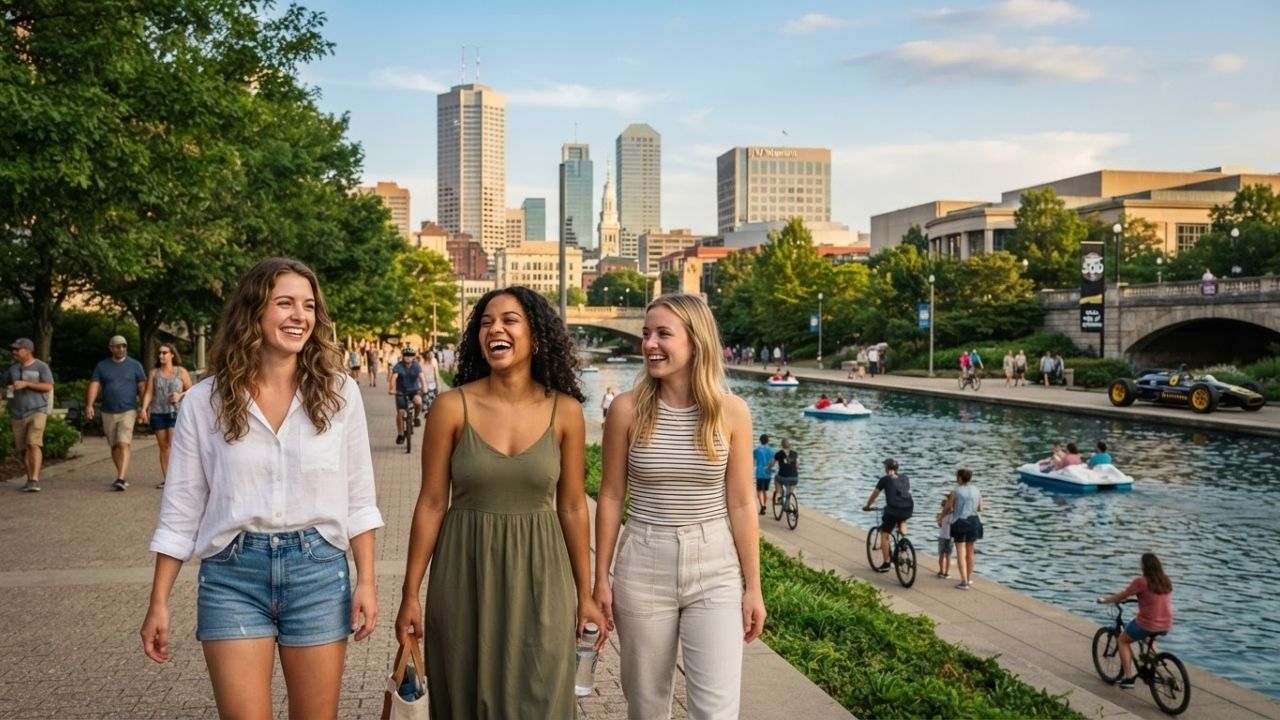
Image generated by AI
Combining world-class racing history with family-friendly museums and scenic urban parks, Indianapolis offers a diverse year-round travel escape in the American Midwest.
Midwestern city breaks are growing in popularity as destinations develop their downtown corridors into walkable, culture-rich visitor hubs. Tourism records confirm that the capital of Indiana, often called the Circle City, has successfully transitioned from a seasonal sports hub into a year-round travel destination. Visitors can explore historic racing tracks, then walk along downtown canal paths or tour expansive art campuses. This variety makes the destination practical for families, couples, and weekend explorers, offering a balanced mix of speed, outdoor recreation, and local dining.
Speedway Traditions: The Indy 500 Heritage
The Indianapolis Motor Speedway remains the city's most famous attraction, serving as a global symbol of motorsport. While the track is busiest during the iconic Indianapolis 500 race in May, the site remains open to visitors throughout the year. The on-site museum serves as a key heritage center, housing historic racing vehicles, trophies, and interactive displays that trace the development of automotive engineering.
The museum is open daily from 9:00 AM to 5:00 PM, closing only on Thanksgiving and Christmas Day. Visitors can take guided track tours that provide access to the racing surface, allowing guests to view the start-finish line—the famous "Yard of Bricks"—and stand near the Victory Podium. This combination of history and track access makes the speedway a primary stop for incoming travelers.
White River State Park: The 250-Acre Downtown Green Corridor
Located in the center of the downtown district, White River State Park provides the city with an expansive green corridor. The park covers 250 acres along the riverfront, offering walking trails, manicured gardens, and open waterways. The park is designed for easy navigation, allowing visitors to walk between major attractions without relying on motorized transport.
White River State Park attracts over 4 million visitors annually, serving as the home for several key institutions. Visitors can explore the Indianapolis Zoo, the Indiana State Museum, the Eiteljorg Museum of American Indians and Western Art, and the NCAA Hall of Champions. The park also hosts Victory Field baseball stadium and the Everwise Amphitheater, allowing travelers to combine wildlife viewing, museum tours, and live entertainment in a single downtown area.
World-Class Family Learning: The Five-Floor Children's Museum
For families, the city features the Children's Museum of Indianapolis, recognized as the largest children's museum in the world. The facility spans five floors of interactive galleries, covering topics ranging from paleontology and space exploration to international culture and physical education. The museum also features an outdoor sports park where children can learn sports history through active play.
Due to the scale of the exhibits, visitor guides recommend planning a full day to explore the museum. Visiting on Tuesdays or Wednesdays is recommended to avoid the larger weekend crowds. The museum's interactive design focuses on learning through play, providing an engaging experience for both children and parents.
Wildlife Conservation and Botanical Exhibits at the Zoo
Situated inside the boundaries of White River State Park, the Indianapolis Zoo offers an integrated experience focused on wildlife conservation. The park is home to over 1,400 animals and more than 31,000 plants, representing diverse ecosystems from oceans to deserts. The zoo operates daily from 9:00 AM to 5:00 PM, with ticket discounts available for online bookings in advance.
The zoo focuses on wildlife education, highlighting the relationships between animals, plants, and human communities. Visitors can watch animal feeding demonstrations, explore botanical glass domes, and learn about global conservation projects funded by the institution. The location makes it a convenient stop for families staying in downtown hotels.
Newfields Art Campus and the 10-Mile Cultural Trail
For a slower pace, visitors can explore Newfields, a 152-acre campus that integrates art galleries, historic homes, and public nature areas. The campus houses the Indianapolis Museum of Art, the historic Lilly House, and landscaped gardens. Visitors planning to tour the outdoor grounds should check local conditions in advance, as some nature paths may have temporary restrictions due to recent regional flood damage.
The city also features the Indianapolis Cultural Trail, a 10-mile urban cycling and pedestrian path. The trail links six distinct cultural districts in downtown Indianapolis, including Mass Ave, Fountain Square, and Broad Ripple. The path is decorated with public art installations and connects local cafes, independent shops, and neighborhood parks, serving as a sustainable transport link for the city.
Practical Travel Advice and Local Insider Tips
Planning an Indianapolis city break is simple with these practical guidelines:
- Visit the Children's Museum Mid-Week: Plan your visit for a Tuesday or Wednesday. These days have the lowest visitor numbers, allowing you to navigate all five floors easily.
- Sample the Hoosier Pork Tenderloin: Try the regional pork tenderloin sandwich at local diners in Fountain Square or Mass Ave. The pork is pounded thin, breaded, deep-fried, and traditionally served on a bun that it dwarfs.
- Observe Cultural Trail Etiquette: When walking or cycling on the 10-mile Cultural Trail, stay to the right and yield to pedestrians at marked crossings.
- Kiss the Bricks at the Speedway: Take the track tour to experience the local tradition of kissing the historic "Yard of Bricks" at the start-finish line.
- Use Route 8 for Airport Transit: Save on taxi fees by taking the IndyGo Route 8 bus, which runs directly from the airport terminal to Monument Circle in the downtown center.
Indianapolis Destination and Attraction Matrix
| Indianapolis Attraction | Scale / Reach (2026 Data) | Operating Schedule / Hours | Cultural & Tourism Focus |
|---|---|---|---|
| White River State Park | 250 acres in downtown | Open daily, over 4M annual guests | Links zoo, museums, and amphitheater |
| Indianapolis Speedway | Motor speedway museum | Open daily 9:00 AM – 5:00 PM | Racing heritage, Yard of Bricks |
| Children's Museum | World's largest / 5 floors | Tuesday – Sunday (Tues/Wed best) | Dinosaur fossils, space, active sports |
| Indianapolis Zoo | 1,400 animals / 31,000 plants | Open daily 9:00 AM – 5:00 PM | Wildlife preservation, botanical gardens |
| Newfields Campus | 152-acre art and nature park | Selected hours (flood checks needed) | Art museum, Lilly House, public gardens |
| Cultural Trail | 10 miles of walking/bike paths | Open 24/7, connects 6 districts | Non-motorized transit, local shopping |
Frequently Asked Questions
What are the main attractions in Indianapolis beyond racing?
Key attractions include the 250-acre White River State Park, the world's largest Children's Museum (featuring five floors), the 152-acre Newfields art campus, and the 10-mile Cultural Trail.
What are the operational hours for the Motor Speedway Museum and Zoo?
Both the Indianapolis Motor Speedway Museum and the Indianapolis Zoo are generally open daily from 9:00 AM to 5:00 PM (excluding selected holidays).
How can visitors access downtown Indianapolis from the airport?
Travelers arriving at Indianapolis International Airport can use the public transit bus, IndyGo Route 8, which runs directly from the terminal to the downtown core.
Are there any recent travel alerts for Indianapolis attractions?
Yes. Visitors planning to explore the Newfields campus should check local conditions in advance, as some outdoor nature areas may have temporary restrictions due to recent flood damage.
The Long-Term Outlook for Midwest City Breaks
The development of Indianapolis demonstrates the value of investing in walkable urban tourism corridors. By connecting family museums, sports facilities, and green spaces through the 10-mile Cultural Trail, the city has built a resilient year-round visitor economy. This approach supports local business growth and promotes sustainable travel choices within the downtown center. As traveler demand for uncrowded, experience-rich destinations continues to grow, Indianapolis's commitment to community-led recreation will continue to strengthen its position as a primary Midwest destination.
By using municipal transit systems and supporting local dining spots, travelers help ensure that Indianapolis's urban corridors remain vibrant and sustainable.
Related Travel Guides
Disclaimer
This article is for informational and educational purposes only. It does not constitute legal, financial, or professional advice. While we strive to provide accurate and up-to-date information, travel policies, regulations, and conditions change rapidly. Always verify information with official sources before making travel decisions. Nomad Lawyer makes no representations about the accuracy, reliability, completeness, or suitability of the information provided. Readers should consult qualified professionals for advice specific to their circumstances. The views expressed in this article are those of the author and do not necessarily reflect the views of Nomad Lawyer.
Raushan Kumar
Founder & Lead Developer
Full-stack developer with 11+ years of experience and a passionate traveller. Raushan built Nomad Lawyer from the ground up with a vision to create the best travel and law experience on the web.
Learn more about our team →