
Dominican Republic Faith Tourism 2026: Integrating AI and Pastoral Care for Pilgrims
The Dominican Republic is redefining religious travel by blending artificial intelligence with traditional pastoral care to enhance the pilgrimage experience without losing human hospitality.

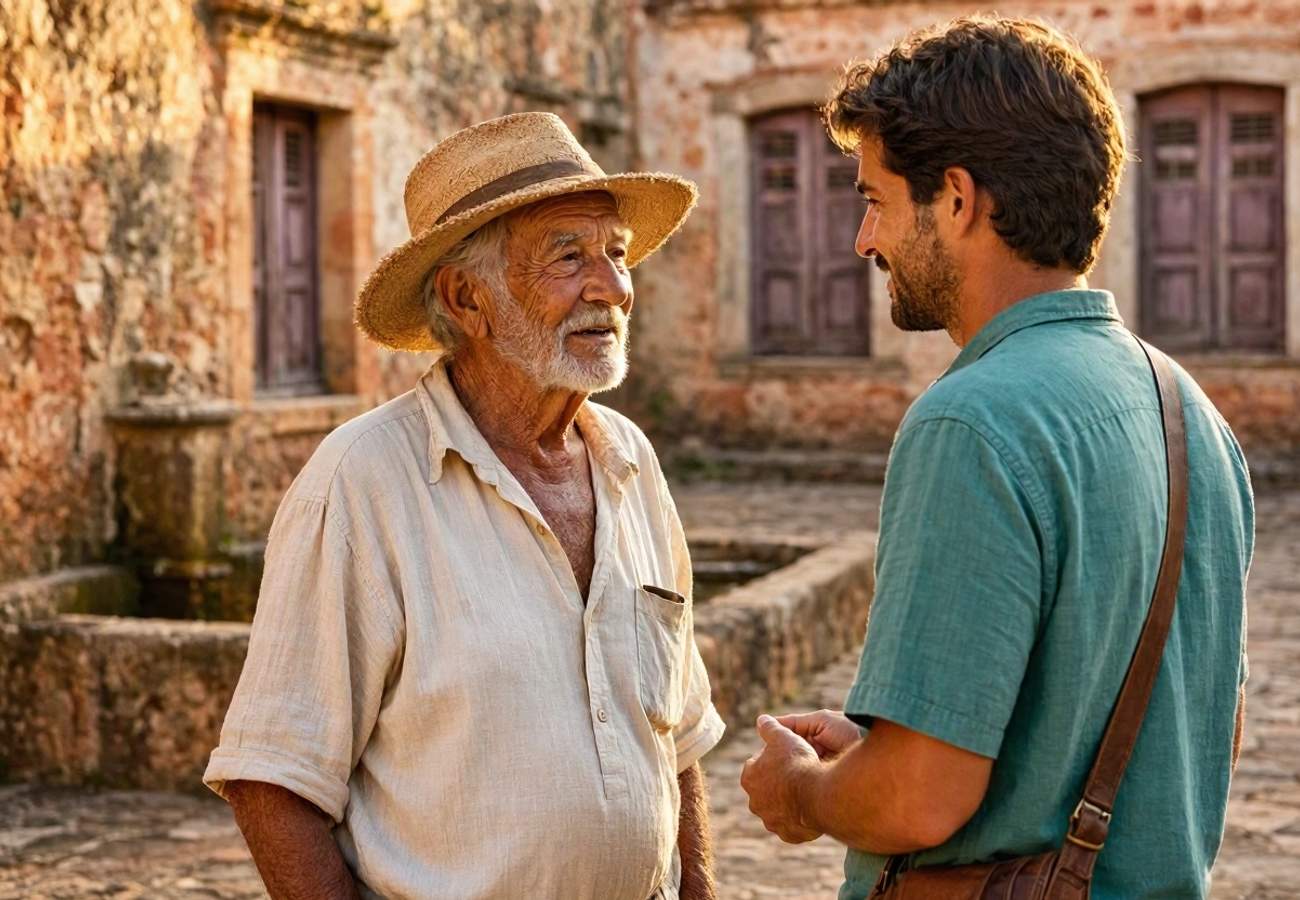
Image generated by AI
Are you planning a spiritual journey or a heritage tour through the Dominican Republic? New directives from the 2026 Latin American and Caribbean Congress of Tourism Pastoral Care are changing how the country manages the intersection of digital innovation and religious hospitality.
The Integration of AI in Faith Tourism
Between 12 and 16 October 2026, the Dominican Republic hosted the fourth Latin American and Caribbean Congress of Tourism Pastoral Care. This event, coordinated by the Ministry of Tourism (MITUR) and the Dominican Episcopal Conference, focused on a specific mission: "Towards an Ordinary and Integrated Pastoral Ministry for Tourism."
The core shift involves the introduction of artificial intelligence (AI) into the pilgrimage experience. Rather than replacing human interaction, the strategy promoted by experts like José Armando Tavares focuses on using automation to handle repetitive logistics—such as translating site information and managing inquiries—to free up local guides and clergy for deeper, personal engagement with visitors. For the traveler, this means a move toward "Smart Tourism" that supports, rather than dictates, the spiritual experience.
Regional Participation and Scope
The congress brought together 40 participants from nine different nations to establish a unified standard for religious hospitality. The diversity of the delegation ensured that the resulting guidelines account for various travel styles, from high-volume pilgrimage sites to quiet spiritual retreats.
| Participating Country | Role/Perspective | Focus Area |
|---|---|---|
| Dominican Republic | Host Nation | National implementation of pastoral care |
| Spain | European Perspective | Cross-continental pilgrimage standards |
| Mexico | Regional Leader | Large-scale religious site management |
| Colombia | Latin American | Community-based tourism integration |
| Argentina | Latin American | Ethical digital transformation |
| Chile | Latin American | Heritage protection and worker rights |
| Costa Rica | Central American | Sustainable faith-based travel |
| El Salvador | Central American | Local community wellbeing |
| Panama | Central American | Logistics and transit connectivity |
Traveler Logistics Guide
If you are visiting the Dominican Republic for religious or cultural reasons, the current shift toward "integrated pastoral care" affects your ground experience. Here is how to optimize your transit and stay:
1. Digital Tool Adoption While the country is integrating AI, do not rely solely on apps. Many spiritual sites prioritize "human-centered innovation." Use official portals like the Ministry of Tourism (MITUR) for baseline planning, but expect and seek out personal guides at heritage sites for the most authentic experience.
2. Route Planning for Pilgrims Faith tourism in the DR is not centralized in Santo Domingo. To experience the full scope of the country's religious heritage, plan a multi-city itinerary. Key jurisdictions include:
- Puerto Plata and La Vega: Ideal for exploring local traditions and regional heritage.
- Higüey: Home to the Diocese of Nuestra Señora de la Altagracia, the primary pilgrimage hub.
- Santo Domingo Este: Focus on the Stella Maris Diocese and the Archdiocese of Santo Domingo.
3. Accessibility and Inclusion The 2026 congress specifically highlighted the "digital divide." If you are traveling with elderly companions or individuals with disabilities, be aware that while digital tools are increasing, the DR is maintaining strong manual support systems. Always verify accessibility features directly with the site administration rather than relying on a third-party booking app.
4. Ground Transport Strategy Moving between the five main ecclesiastical jurisdictions requires a mix of private transport and scheduled shuttles. For those visiting Higüey from the capital, pre-arranged transport is recommended due to the high volume of pilgrims during feast days.
Regional Connectivity Impact
The shift toward a "Pastoral Ministry for Tourism" means that religious sites are no longer viewed as mere attractions but as community assets. This changes the logistics of travel by emphasizing "slow tourism." Visitors are encouraged to engage with the local workforce and residents, shifting the economic impact from large resorts to the communities maintaining the shrines.
By aligning with CELAM (Latin American Episcopal Council), the Dominican Republic is positioning itself as a leader in ethical travel. This framework ensures that the increase in digital efficiency does not lead to the commercialization of faith, ensuring that the dignity of both the worker and the pilgrim remains the priority.
FAQ: Dominican Republic Faith Tourism 2026
Do I need a specific visa for religious pilgrimage? Standard tourist visa requirements for the Dominican Republic apply. However, those entering for official church business should check with their embassy regarding specific documentation.
How does AI affect my visit to religious sites? AI is being used for translations and basic information. You will find more digital kiosks and chatbots, but personal pastoral care remains the primary service for spiritual guidance.
Can I visit multiple religious jurisdictions in one trip? Yes. The recommended circuit includes Santo Domingo, Higüey, La Vega, and Puerto Plata to see the full diversity of the country's faith-based heritage.
Is digital payment accepted at all pilgrimage sites? While "Smart Tourism" is growing, many smaller shrines and local vendors in rural areas still operate on a cash basis. Always carry Dominican Pesos.
Travel with purpose, but leave room for the unexpected encounter.
Related Travel Guides
Disclaimer
This article is for informational and educational purposes only. It does not constitute legal, financial, or professional advice. While we strive to provide accurate and up-to-date information, travel policies, regulations, and conditions change rapidly. Always verify information with official sources before making travel decisions. Nomad Lawyer makes no representations about the accuracy, reliability, completeness, or suitability of the information provided. Readers should consult qualified professionals for advice specific to their circumstances. The views expressed in this article are those of the author and do not necessarily reflect the views of Nomad Lawyer.
Naina Thakur
Contributor & Travel Specialist
Travel enthusiast and legal writer covering visa regulations, responsible tourism, and cultural journeys across global destinations.
Learn more about our team →