
Travel Indian Railways: 500+ Summer Special Trains Combat Peak Season Surge
Indian Railways deploys 500+ summer special trains in 2026 to alleviate peak-season congestion. Covers route expansions, booking tips, and how India's rail strategy outpaces Western operators.

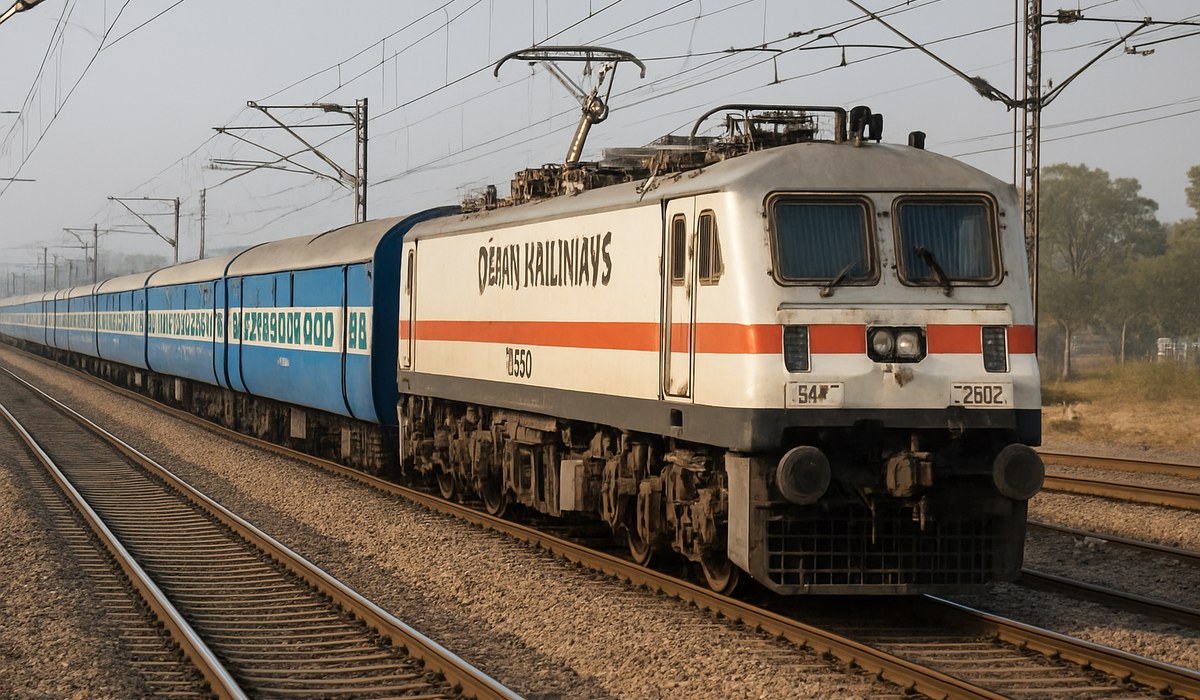
Image generated by AI
**> Quick Summary
- Indian Railways is rolling out 500+ temporary trains specifically for the summer travel window
- Major routes between metro hubs and hill stations receive the heaviest service augmentation
- Dynamic capacity management offers a model for developing nations facing transit gridlock
- Early booking and off-peak travel remain the smartest strategies for securing seats**
Summer Special Trains: Scale & Coverage
Indian Railways has announced a sweeping operational surge for the 2026 summer season, deploying over 500 additional train services to absorb the millions of travellers expected to flood the network between April and June. This initiative represents one of the railway ministry's most ambitious seasonal interventions in recent years.
The expansion targets passenger volumes that typically spike 40% above baseline capacity during summer months. Rather than investing in permanent infrastructure—a decades-long process in most developing nations—Indian Railways is using a fleet of specially configured rakes (train units) that remain stored during off-season periods and are activated for peak demand windows.
Railway Board officials confirmed that the deployment spans 27 railway zones across the country, with particular concentration on routes connecting metropolitan centres to popular hill stations and coastal destinations. The temporary services will run for approximately 120 days, with phased withdrawals as demand normalizes in late July.
This tactical approach contrasts sharply with how established rail networks in North America manage seasonal traffic. Where Amtrak and other Western operators typically maintain fixed schedules year-round, Indian Railways leverages fleet flexibility to respond nimbly to predictable, recurring demand surges that transport planners have mapped for decades.
Route-by-Route Impact: Key Corridors Relieved
The Northern Railway zone—serving Delhi, Punjab, and the foothills—has received the largest allocation of 140 special trains. These services will primarily operate on routes toward Himachal Pradesh and Uttarakhand, where domestic tourism peaks during April and May. Key corridors like Delhi-Shimla, Chandigarh-Manali connector services, and Delhi-Dehradun trunk lines will each see an additional 3–5 service pairs per week.
The Central Railway zone, which manages traffic through Maharashtra and central India, is deploying 95 supplementary trains across routes serving Mumbai, Nagpur, and Indore. These will significantly ease bottlenecks on the Mumbai-Pune-Bangalore corridor, which experiences severe congestion from late March onward.
South Indian routes are receiving 110 special trains distributed between the Southern and South Central zones. The Chennai-Bangalore, Bangalore-Mysore, and Kochi-Thiruvananthapuram routes will benefit from increased frequency, particularly on sleeper-class configurations that family travellers prefer for longer journeys.
The Eastern Railway zone, historically stretched during summer months, is introducing 85 special services connecting Kolkata to destinations across Bihar, Jharkhand, and Odisha. The Kolkata-Patna-Delhi express corridor will see particular relief with three additional daily services.
Western Railway zone is implementing 70 special trains focusing on routes to Gujarat and Rajasthan. The Mumbai-Ahmedabad, Ahmedabad-Jaipur, and Delhi-Jaipur segments will each benefit from enhanced capacity. Tourism to Jaipur's palace complexes and Rajasthan's cultural heritage sites drives significant passenger demand during peak season.
How Indian Railways Compares to Western Rail Networks
The scale and agility of India's summer strategy reveals a fundamental difference in how developing rail systems approach capacity constraints versus established Western operators.
Most North American and European railways operate on static timetables that remain largely unchanged throughout the year. Service frequencies reflect average annual demand, not seasonal peaks. When summer holidays drive record passenger counts, Western networks often resort to seat shortages, increased ticket prices, and longer wait times for reservations. The International Union of Railways has acknowledged that dynamic capacity management remains underdeveloped in many mature systems, partly due to fixed infrastructure investments and unionized labour agreements that resist rapid scheduling changes.
Indian Railways operates under different constraints and opportunities. With a younger workforce, flexible staffing protocols, and a growing fleet of modern rolling stock, the system can deploy hundreds of additional trains on short notice. This elasticity allows the network to absorb demand surges that would paralyze less flexible operators.
The trade-off is quality versus quantity. Western rail services typically offer superior comfort, punctuality records, and onboard amenities on their standard services. Indian Railways' special trains often feature basic configurations and tighter schedules, prioritizing affordability and volume over luxury. For budget-conscious travellers, this represents excellent value. For those seeking premium experiences, the flagship express trains maintain higher standards.
Notably, India's approach aligns with frameworks recommended by global transport experts. Rather than perpetually expanding fixed infrastructure—a solution that remains prohibitively expensive for most developing nations—Indian Railways demonstrates that intelligent deployment of existing assets can manage seasonal demand swings effectively.
Booking Strategy: Tips for Peak Season Travel
Securing seats during summer requires understanding how Indian Railways allocates capacity and when booking windows open. Here's practical guidance for navigating the 2026 peak season.
Book at Quota Release. Indian Railways opens online bookings 120 days in advance through its IRCTC portal. Mark your calendar for this window—popular routes for special trains sell out within 3–7 days of becoming available.
Target Early Morning Services. Special trains often depart between 5 a.m. and 8 a.m., windows that leisure travellers typically avoid. These services offer better seat availability than evening departures, which fill rapidly with business and family travellers.
Use Rail Neer Booking. Third-party booking platforms like Rail Neer aggregate fare options and sometimes surface seats in special trains that appear slow to fill on the official IRCTC site. Their predictive algorithms identify undersubscribed services.
Consider Shorter Segments. Rather than booking a direct 24-hour journey, split your trip into two shorter segments. This increases flexibility, reduces seat competition on any single service, and often results in lower total fares due to how the railway pricing algorithm calculates distance-based charges.
Monitor Cancellation Lists. Indian Railways maintains robust waiting list management. If you board a train with a waitlisted ticket, your chances of confirmation are substantially higher on special trains—which operate with optimized capacity matching rather than traditional buffered scheduling.
Off-Peak Alternative Routes. Consider travelling mid-week or in early morning windows, and explore less popular trains on parallel routes. The Delhi-Dehradun line, for instance, offers multiple service options. Avoiding flagship express trains on Friday-Sunday windows dramatically improves booking success rates.
As travel networks across Asia undergo transformation, India's rail strategy sits within a broader regional investment trend. The expansion of connectivity across South and Southeast Asia is reshaping how travellers navigate the continent. Consider reading about Asia Slow Travel: Japan & Thailand Lead New Regional Circuit in 2026 to understand how India's rail network fits into emerging cross-border travel circuits.
Simultaneously, parallel infrastructure initiatives across Asia are creating new travel opportunities. Yunnan Emerging Europe Gateway: China Opens Southwestern Provinces to Travelers in 2026 highlights how rail investment is opening frontier regions across the continent—a trend that complements India's
Disclaimer
This article is for informational and educational purposes only. It does not constitute legal, financial, or professional advice. While we strive to provide accurate and up-to-date information, travel policies, regulations, and conditions change rapidly. Always verify information with official sources before making travel decisions. Nomad Lawyer makes no representations about the accuracy, reliability, completeness, or suitability of the information provided. Readers should consult qualified professionals for advice specific to their circumstances. The views expressed in this article are those of the author and do not necessarily reflect the views of Nomad Lawyer.
Raushan Kumar
Founder & Lead Developer
Full-stack developer with 11+ years of experience and a passionate traveller. Raushan built Nomad Lawyer from the ground up with a vision to create the best travel and law experience on the web.
Learn more about our team →