
Gujarat Partners with Karnataka, Arunachal Pradesh, Assam, and Madhya Pradesh to Promote India's Untouched Tourism Treasures, Highlighting Dholavira, Gokarna, Tawang, Majuli, and Mandu: New Travel Alert
Five emerging Indian states—Gujarat, Karnataka, Arunachal Pradesh, Assam, and Madhya Pradesh—are showcasing India's untouched tourism treasures to global travelers.

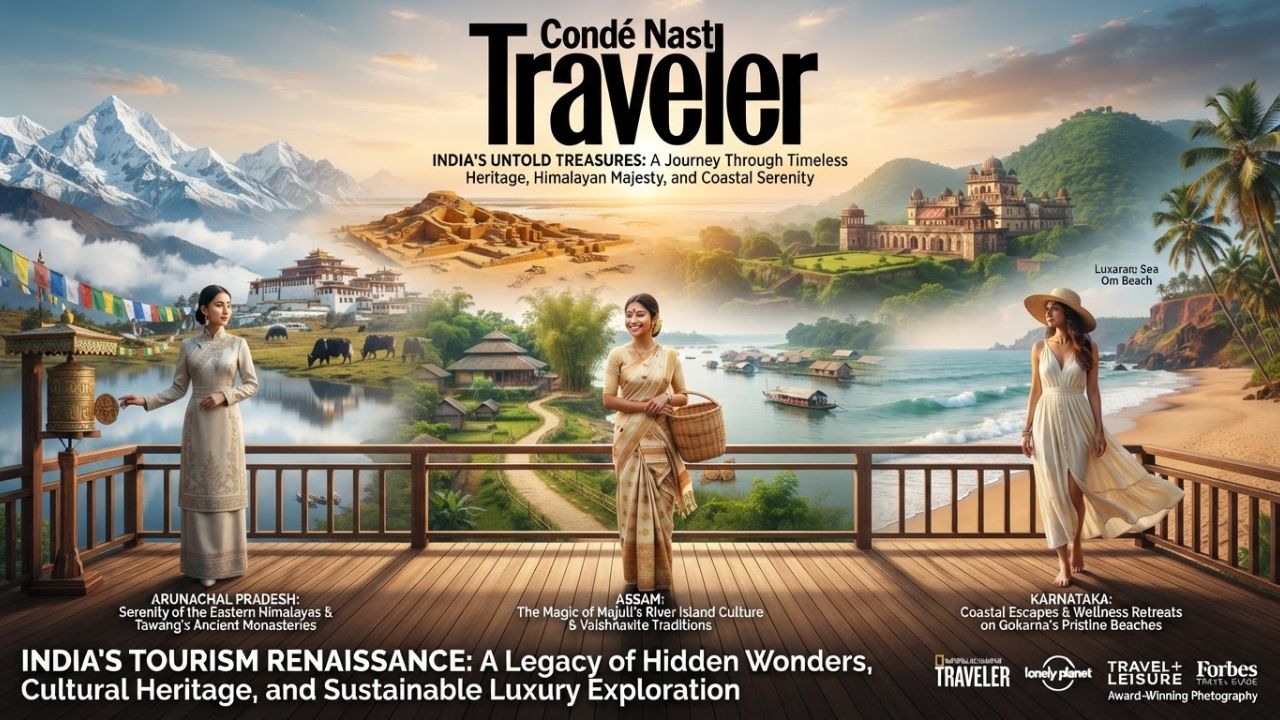
Image generated by AI
Published on July 20, 2026
The tourism departments of Gujarat, Karnataka, Arunachal Pradesh, Assam, and Madhya Pradesh have joined forces to showcase India's untouched tourism treasures to a global audience. This comprehensive guide highlights five emerging destinations—Dholavira, Gokarna, Tawang, Majuli, and Mandu—that offer a rich combination of ancient archaeology, tranquil shorelines, Himalayan beauty, cultural islands, and historic ruins. Travelers seeking authentic experiences are urged to monitor seasonal climate conditions and transport availability when planning journeys to these offbeat locations.
Quick Summary
- Five-State Collaboration: Gujarat, Karnataka, Arunachal Pradesh, Assam, and Madhya Pradesh are actively promoting India's untouched tourism treasures to diversify the country’s travel map.
- Archaeological & Coastal Frontiers: Dholavira in Gujarat reveals the ancient Indus Valley Civilisation, while Gokarna in Karnataka serves as a quiet alternative to commercial beach resorts.
- High-Altitude & River Stays: Tawang in Arunachal Pradesh offers a spiritual Himalayan escape, while Majuli in Assam provides eco-tourism experiences on the Brahmaputra River.
- Monsoon Heritage: Mandu in Madhya Pradesh attracts historians with its dramatic Afghan architecture, palaces, stepwells, and scenic green landscapes.
- Connectivity Improvements: Upgraded regional road networks, digital booking platforms, and sustainable travel campaigns are making these remote sites highly accessible.
Context and Background: Explaining the Appeal of India's Untouched Tourism Treasures
The modern travel sector is experiencing a significant shift as international and domestic tourists look beyond heavily developed holiday destinations. While globally recognized hotspots like Goa, Jaipur, and Kerala continue to attract large visitor volumes, travelers increasingly seek authentic experiences, quiet landscapes, and deep cultural connections. In response, regional tourism boards are shifting their focus to preserve and promote India's untouched tourism treasures before they become commercialized.
This five-state alliance is designed to rebuild visitor patterns and establish high-value, sustainable tourism models in emerging regions. By improving regional highway connectivity, launching digital booking systems, and developing community-based eco-lodges, local authorities are ensuring that offbeat travel is both safe and accessible. This approach supports local economies while protecting fragile environments and heritage structures from the impacts of over-tourism.
Event/Incident Details: Unveiling the Five Key Destinations
The collaborative initiative focuses on five distinct regions that represent the diversity of India's travel landscape, offering everything from ancient history to spectacular natural environments:
1. Dholavira, Gujarat: Ancient Urban Civilisation
Located in the arid salt flats of the Rann of Kutch, Dholavira is a UNESCO World Heritage Site that showcases the advanced planning, architecture, and water conservation systems of the Indus Valley Civilisation. The ancient settlement provides researchers and travelers a detailed look at a highly organized society from thousands of years ago, which can be combined with visits to the nearby White Rann and surrounding wildlife areas.
2. Gokarna, Karnataka: A Slower Coastal Experience
Traditionally known as a sacred pilgrimage town in Karnataka, Gokarna has emerged as a tranquil beach alternative to commercialized coastal zones. Popular beaches like Om Beach, Kudle Beach, and Half Moon Beach feature golden sands, dramatic cliffs, and coastal hiking trails. The town is also a prominent hub for yoga, meditation, and slow-paced beach tourism.
3. Tawang, Arunachal Pradesh: High-Altitude Himalayan Heritage
Situated in the rugged peaks of Arunachal Pradesh, Tawang offers a quiet mountain sanctuary surrounded by the eastern Himalayas, high-altitude lakes, and scenic valleys. The region is celebrated for its deep Buddhist heritage, ancient monasteries, and traditional tribal villages, providing an adventurous yet spiritual holiday experience.
4. Majuli, Assam: Riverine Eco-Tourism
Positioned on the waters of the Brahmaputra River in Assam, Majuli is recognized as a unique river island defined by its Vaishnavite monasteries and indigenous mask-making crafts. Eco-tourism and community-focused travel programs allow tourists to interact directly with local communities, experiencing Assamese traditions that have continued for generations.
5. Mandu, Madhya Pradesh: Architectural Wonders
Located in Madhya Pradesh, the historic fortress town of Mandu features majestic Afghan-inspired architecture, including royal palaces, mosques, and stepwells. The ancient city becomes particularly captivating during the monsoon season, when lush greenery wraps around the ruins, offering a peaceful alternative to heritage cities like Agra or Jaipur.
Risk and Impact: Logistical Challenges, Weather Patterns, and Security Precautions
Travelers seeking to explore India's untouched tourism treasures must understand and prepare for the specific operational risks and environmental factors associated with these remote destinations:
- High-Altitude Transit Risks: Navigating the mountain passes to Tawang in Arunachal Pradesh exposes travelers to sudden landslides, heavy snowfall, and altitude sickness, requiring physical acclimatization and monitoring of weather updates.
- Undeveloped Coastal Safety: Gokarna's beaches, such as Kudle and Half Moon, lack extensive lifeguard coverage, making swimming during high tides or monsoon swells highly hazardous.
- Extreme Heat and Isolation: Dholavira's location in the Rann of Kutch means travelers face intense summer heat and limited medical resources, demanding self-sufficiency, hydration, and sun protection.
- Monsoon Flooding and River Closures: Majuli is highly vulnerable to seasonal flooding from the Brahmaputra River, which can halt ferry services, damage local roads, and temporarily isolate the island.
- Infrastructure Scarcity in Heritage Sites: Mandu has a limited number of premium hotels and restaurants, making advance bookings essential, especially during the popular monsoon travel window.
What Authorities Are Saying: Guidelines for Responsible and Safe Travel
Regional and national tourism authorities emphasize that the long-term success of these emerging destinations depends on responsible travel behaviors. Government officials instruct travelers to respect local customs, particularly when visiting the Buddhist monasteries of Tawang or the Vaishnavite monasteries of Majuli. Tourism boards recommend hiring certified local guides to support the community and ensure safety in remote environments.
Furthermore, transport authorities urge travelers to check seasonal guidelines before departure. High-altitude travel in Arunachal Pradesh often requires obtaining an inner-line permit, while river transport to Majuli is subject to daily safety checks based on Brahmaputra River water levels. Preparing these documents and checking weather conditions are essential steps for a safe journey.
Practical Traveler Advice: Planning Your Trip Safely
To ensure a smooth, rewarding, and comfortable experience while discovering these hidden gems, travelers should follow these actionable tips:
- Secure Inner-Line Permits Early: Obtain all required government travel permits before traveling to high-altitude border zones like Tawang.
- Coordinate Ferry Crossings Carefully: When visiting Majuli, confirm daily ferry timings and avoid crossing the Brahmaputra River during heavy rains or monsoonal surges.
- Carry Desert Safety Gear: Pack lightweight clothing, wide-brimmed hats, high-SPF sunscreen, and plenty of rehydration packets when exploring Dholavira.
- Choose Sturdy Footwear: Wear durable hiking shoes to safely navigate the steep cliffs of Gokarna and the historic stone stepwells of Mandu.
- Observe Local Monastic Etiquette: Dress modestly when entering sacred spaces in Assam and Arunachal Pradesh, and follow local guidelines regarding photography inside temples.
- Book Accommodations in Advance: Secure your rooms early in Mandu and Gokarna, as offbeat destinations have limited hospitality capacities.
Broader Context: Shifting Preferences Toward Authentic and Sustainable Stays
The collaborative push to promote India's untouched tourism treasures reflects a global evolution in travel behavior. Modern tourists increasingly favor slow-paced travel, educational journeys, and wellness retreats over quick sightseeing trips. Dispersing tourists to these five states helps prevent environmental degradation in overcrowded holiday hubs, distributing economic benefits to rural communities.
This transition supports the preservation of cultural heritage and traditional arts, such as Majuli's mask-making and Tawang's traditional festivals. Financially supporting these regional operators ensures that local cultures remain vibrant while providing travelers with unforgettable memories.
Looking Ahead: Scheduled Infrastructure Upgrades and Digital Expansion
Looking ahead, travelers can expect significant development projects to improve accessibility to these remote sites by 2027. Government departments are currently upgrading regional roads in Arunachal Pradesh and expanding highway access near Gujarat's heritage areas.
Additionally, travel tech companies are working to expand digital booking platforms in offbeat zones, making it easier for visitors to arrange transport, secure local guides, and book home-stays online, ensuring a safer and more predictable holiday.
Conclusion: Embracing Preparedness for a Memorable Indian Adventure
Exploring the hidden heritage and natural wonders of India offers travelers a rare opportunity to connect with ancient history, pristine beaches, and majestic mountain peaks. By understanding the unique local layouts, choosing the correct season, and preparing for outdoor logistics, visitors can ensure a rewarding and safe holiday. Staying vigilant, booking services in advance, and traveling with respect remain key to unlocking the true beauty of these untouched regions.
FAQ: Exploring India's Next Five Must-Discover Destinations
What are the main highlights of India's untouched tourism treasures?
This guide focuses on Dholavira's ancient civilisation in Gujarat, Gokarna's tranquil beaches in Karnataka, Tawang's Himalayan views in Arunachal Pradesh, Majuli's culture in Assam, and Mandu's ruins in Madhya Pradesh.
Why is Dholavira considered a major heritage site?
Located in the Rann of Kutch, Dholavira is a UNESCO World Heritage Site displaying the sophisticated water management and advanced town planning of the ancient Indus Valley Civilisation.
What is the best time of year to visit the mountain retreat of Tawang?
Warmer spring and summer months are ideal for active exploration and mountain road travel, while the winter offers beautiful snow-covered Himalayan peaks but requires preparation for cold weather.
How do I travel to the river island of Majuli in Assam?
Visitors must take a public or private ferry across the Brahmaputra River from the city of Jorhat, ensuring they check daily river water levels and weather guidelines before boarding.
What architectural highlights can travelers see in Mandu?
Mandu features grand Afghan-inspired architecture, including royal palaces, historic mosques, and ancient stepwells, which look particularly beautiful surrounded by greenery in the monsoon.
SEO Specifications (For Editor Reference)
- Article Tags: India's Untouched Tourism Treasures, Tawang Himalayan tourism, Gokarna beach alternatives, Dholavira archaeological site, Majuli river island
Related Travel Guides
- Zimbabwe Unveils New Zimbabwe Tourism Strategy and Funding Package for Tour Operators, Urging Travelers to Explore Victoria Falls, Hwange, and Mana Pools: New Travel Alert
- Sri Lanka Records Over 1.23 Million Arrivals as SLTDA Reports Strong July Surge Led by India, UK, and China, Highlighting Rapid Sri Lanka Tourism Growth: New Travel Alert
- India Promotes Tawang, Gokarna, Dholavira, Majuli, and Mandu to Accelerate India Tourism Growth, Urging Travelers to Discover Emerging Cultural and Eco-Tourism Hubs: New Travel Alert
Disclaimer
This article is for informational and educational purposes only. It does not constitute legal, financial, or professional advice. While we strive to provide accurate and up-to-date information, travel policies, regulations, and conditions change rapidly. Always verify information with official sources before making travel decisions. Nomad Lawyer makes no representations about the accuracy, reliability, completeness, or suitability of the information provided. Readers should consult qualified professionals for advice specific to their circumstances. The views expressed in this article are those of the author and do not necessarily reflect the views of Nomad Lawyer.
Kunal K Choudhary
Co-Founder & Contributor
A passionate traveller and tech enthusiast. Kunal contributes to the vision and growth of Nomad Lawyer, bringing fresh perspectives and driving the community forward.
Learn more about our team →