
Tourism Sector Braces for Impact After Modi Calls for Overseas Travel Cuts
India's tourism sector braces for disruption as PM Modi urges citizens to reduce overseas leisure travel and prioritize domestic tourism in 2026. The call comes amid geopolitical tensions and rising operational costs.

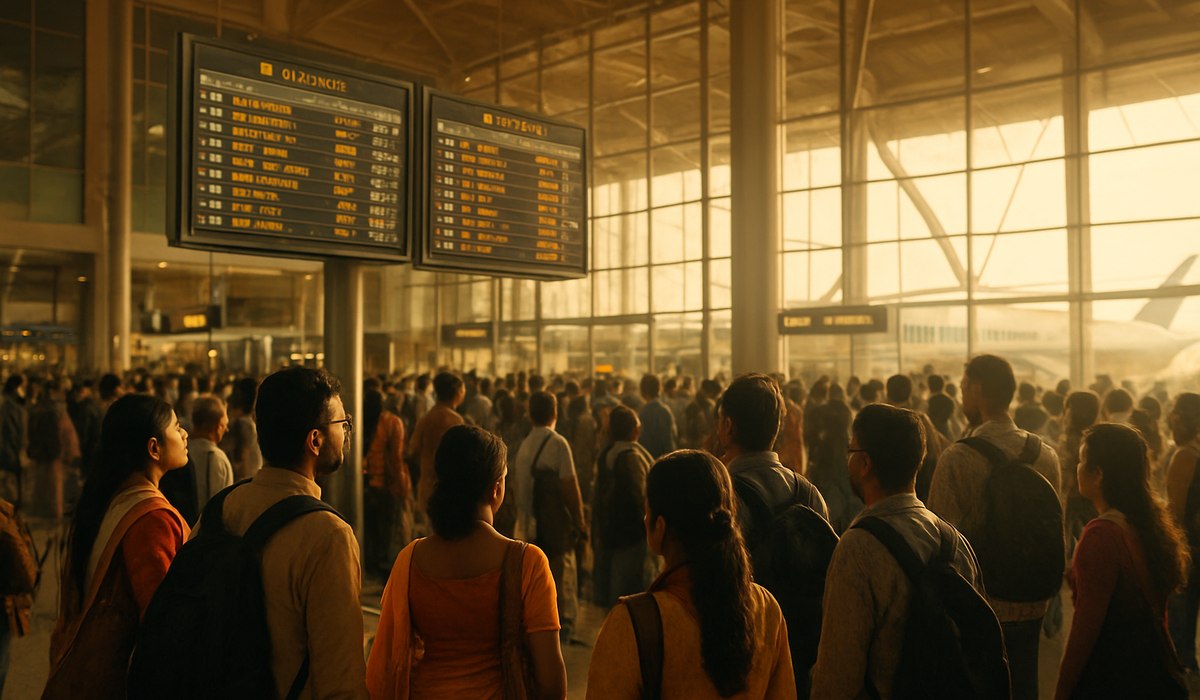
Image generated by AI
India's Tourism Sector Braces for Uncertainty as PM Modi Urges Domestic Travel Focus
Prime Minister Narendra Modi has made a broad appeal urging Indian citizens to prioritize domestic tourism over overseas leisure travel. The call emphasizes conserving foreign exchange reserves and reducing fuel consumption during an escalating geopolitical crisis. Modi's remarks specifically encourage increased reliance on public transportation and electric vehicles while promoting economically responsible consumption patterns. This significant policy signal arrives when India's tourism sector braces for considerable headwinds, with aviation and hospitality industries already battling unprecedented operational challenges stemming from regional instability in West Asia.
Modi's Call for Reduced Overseas Travel: What's Behind the Appeal
The Prime Minister's appeal reflects growing concerns about India's foreign exchange reserves amid regional tensions. By encouraging citizens to redirect spending toward domestic destinations, the government aims to preserve critical currency reserves while simultaneously boosting India's internal tourism economy. The geopolitical instability in West Asia has created unpredictable global markets, prompting policymakers to implement conservative economic measures. Modi's message also aligns with environmental sustainability goals, as reducing outbound leisure travel decreases carbon emissions associated with international aviation. The appeal represents a strategic pivot toward strengthening domestic tourism infrastructure while managing macroeconomic pressures during uncertain times. This approach signals government confidence in India's domestic attractions while acknowledging external economic headwinds affecting the nation's financial position.
Impact on Aviation and Tourism Industries
India's aviation sector confronts a complex operational environment as the tourism sector braces for demand shifts. Airlines face mounting pressure from fuel surcharges that have climbed substantially due to geopolitical disruptions affecting crude oil prices globally. International flight cancellations and rerouted air corridors have created inefficiencies across the aviation network, extending travel times and increasing costs for both carriers and passengers. Hotels and tour operators report booking uncertainties as corporate and leisure travelers reassess international travel plans. Airport operators face reduced international traffic while domestic corridors experience congestion. Industry analysts predict that reduced outbound leisure travel could redirect approximately 15-20% of discretionary tourism spending back into the domestic market, potentially creating new opportunities for regional tourism destinations. However, short-term losses in forex earnings from reduced outbound travel require careful policy management.
Domestic Tourism as the Alternative Strategy
India's domestic tourism sector represents a substantial untapped opportunity, with over 1.5 billion potential travelers within the country. The tourism sector braces to absorb redirected leisure spending through enhanced domestic offerings across tier-2 and tier-3 cities. State tourism boards are increasing infrastructure investments in lesser-known destinations including Odisha's beaches, Himachal Pradesh's mountain regions, and Gujarat's cultural heritage sites. Domestic tourism typically generates lower per-capita spending than international travel, yet higher volume can offset revenue losses. Railways and road transport networks are expanding capacity to accommodate increased domestic leisure traffic. Hotels are introducing competitive domestic packages featuring bundled experiences, adventure tourism, and wellness retreats. Regional airports are enhancing connectivity to secondary destinations, making previously inaccessible areas more reachable. This strategic pivot creates employment opportunities across hospitality, transportation, and service sectors outside major metropolitan centers.
Geopolitical Crisis and Rising Operational Costs
The Iran-Israel-US conflict in West Asia has fundamentally altered global aviation economics and tourism planning. Fuel surcharges on international flights have increased 25-40% since escalation, making overseas leisure travel substantially more expensive for Indian travelers. Disrupted air corridors force flights to take longer routes, consuming additional fuel and extending journey duration. Insurance premiums for flights crossing sensitive regions have risen significantly, with carriers absorbing or passing costs to passengers. Supply chain disruptions affect hotel operations, restaurant services, and tourism infrastructure maintenance. Currency volatility creates pricing uncertainty for international bookings, with the Indian rupee fluctuating against major currencies. Aviation fuel prices remain vulnerable to further geopolitical developments, making long-term pricing predictions unreliable. These combined factors make domestic tourism economically attractive by comparison, as fuel costs for regional flights remain relatively stable and ground transportation avoids international aviation complications.
Key Data Table: Tourism Sector Impact Overview
| Metric | Pre-Crisis (2025) | Current Situation (2026) | Projected Change |
|---|---|---|---|
| Average International Flight Surcharge | 8-12% | 25-40% | +200-300% increase |
| Outbound Leisure Travel Volume | 100% baseline | 75-82% | -18 to -25% decline |
| Domestic Tourism Growth Potential | 5-8% annually | 12-18% annually | +150% acceleration |
| Foreign Exchange from Tourism | $28.5 billion/year | $24-26 billion/year | -8 to -12% reduction |
| Aviation Fuel Costs | $85-95/barrel baseline | $110-125/barrel | +25-35% increase |
| Hotel Occupancy Rates (International) | 68-72% | 55-62% | -10-15 percentage points |
| Domestic Hotel Bookings Growth | 6-9% | 18-22% | +200-250% acceleration |
What This Means for Travelers
1. Reassess International Trip Timing: If planning overseas leisure travel, consider postponing non-urgent trips to 2027 when fuel prices stabilize. Current airfare premiums make international holidays 30-50% more expensive than pre-crisis levels.
2. Explore Domestic Alternatives: India offers world-class destinations at fraction of international costs. The Andaman Islands, Kerala backwaters, Rajasthan's palaces, and Northeast tourism provide comparable experiences to Southeast Asian destinations.
3. Book Early and Flexible: Secure domestic bookings immediately as capacity tightens with increased demand. Choose airlines and hotels offering flexible cancellation policies given ongoing geopolitical uncertainty.
4. Leverage Ground Transportation: Opt for train and bus travel between domestic destinations. Indian Railways offers premium experiences comparable to budget airlines at lower environmental and economic cost.
5. Consider Regional Hubs: Base international trips from major Indian cities (Delhi, Mumbai, Bangalore) rather than international gateways, reducing overall journey costs and complexity.
FAQ: Common Traveler Questions About Tourism Changes
Q: Will Modi's appeal affect my international travel plans? A: No direct restrictions exist, but increased airfare costs make overseas leisure travel significantly more expensive. Consider whether your trip provides essential value versus domestic alternatives costing substantially less due to reduced fuel surcharges.
Q: Are there additional taxes on overseas leisure travel? A: Current policy relies on voluntary compliance rather than taxation. However, monitor government announcements as economic pressure might prompt formal levies on international leisure travel in coming months.
Q: Which domestic destinations offer the best international-quality experiences? A: Andaman and Nicobar Islands rival Southeast Asia for beach tourism. Kerala provides luxury backwater experiences; Rajasthan offers heritage tourism; Northeast India delivers adventure and cultural immersion matching international standards.
Q: How long will fuel surcharges remain elevated? A: Duration depends on West Asian geopolitical stabilization. Most industry analysts project 18-24 months of elevated fuel costs, with gradual normalization if tensions decrease. Monitor crude oil prices as primary indicator.
Related Travel Guides
- Navi Mumbai Airport Just Delayed International Flights — Here's Why
- China Foreign Trade Skyrockets 14.9% to $2.39 Trillion Amid $200 Oil Shock and Strait of Hormuz Blockade: How US-Iran Conflict and Gulf Tensions Fuel Beijing’s Green Tech Boom and Global Business Travel Surge
- [Lufthansa Recreates Historic 1924 Route in Centennial ](/i-flew-lufthansa-s-100-year-time-travel-flight-fro)
Disclaimer
This article synthesizes information from Indian government policy announcements, aviation industry reports, and tourism sector analyses as of May 2026. Primary sources include official Ministry of Tourism statements and IATA aviation data. Currency, fuel price, and operational cost figures reflect market conditions at publication. Geopolitical situations remain dynamic; readers should verify current flight surcharges,
Disclaimer
This article is for informational and educational purposes only. It does not constitute legal, financial, or professional advice. While we strive to provide accurate and up-to-date information, travel policies, regulations, and conditions change rapidly. Always verify information with official sources before making travel decisions. Nomad Lawyer makes no representations about the accuracy, reliability, completeness, or suitability of the information provided. Readers should consult qualified professionals for advice specific to their circumstances. The views expressed in this article are those of the author and do not necessarily reflect the views of Nomad Lawyer.
Preeti Gunjan
Contributor & Community Manager
A passionate traveller and community builder. Preeti helps grow the Nomad Lawyer community, fostering engagement and bringing the reader experience to life.
Learn more about our team →