
Women-Led Tourism Sikkim: Indian Army Launches Café at 13,000-Foot Shrine
Indian Army launches women-operated café near sacred Baba Harbhajan Singh Shrine in East Sikkim to drive women-led tourism, boost border region livelihoods, and create sustainable local employment in 2026.

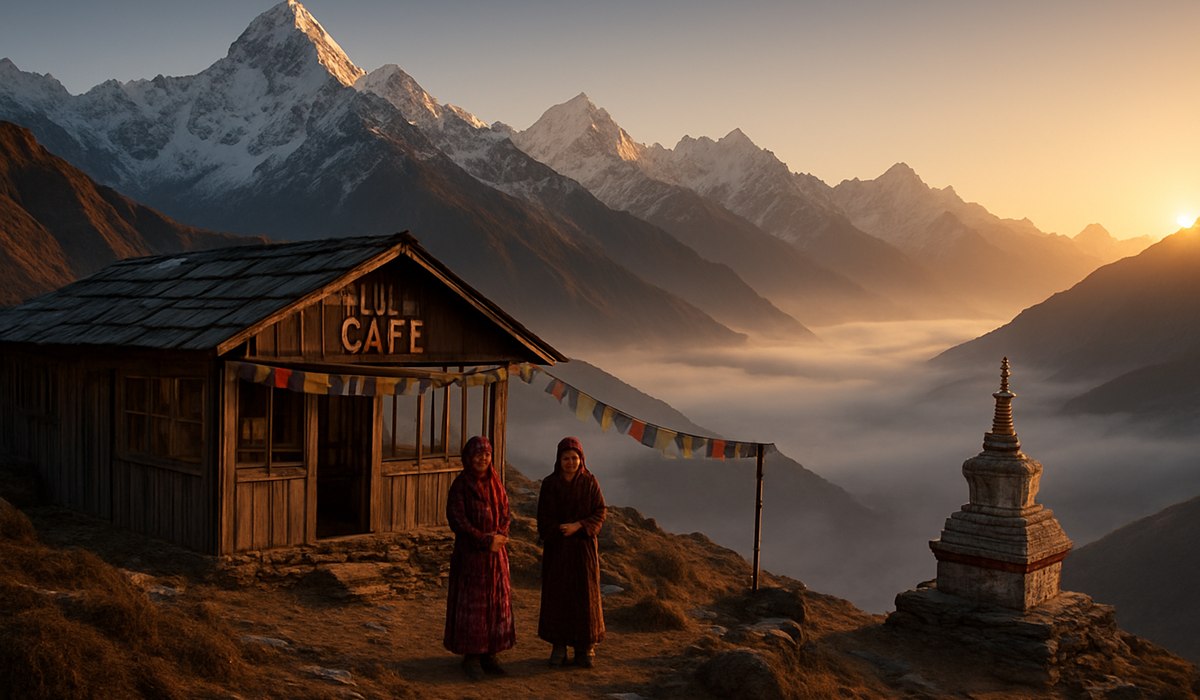
Image generated by AI
Indian Army Facilitates Women-Led Café at High-Altitude Himalayan Shrine
The Indian Army's Trishakti Corps has inaugurated a women-operated café near the revered Baba Harbhajan Singh Shrine at nearly 13,000 feet elevation in East Sikkim. This initiative combines tourism development with female economic empowerment in one of India's most remote border communities. The café serves visitors traveling to the sacred shrine and nearby high-altitude destinations while creating direct employment for local women entrepreneurs. The project reflects a strategic shift toward women-led tourism in Sikkim and demonstrates how military-civil partnerships can strengthen regional economies while preserving cultural heritage.
Women-Led Café Launches at High-Altitude Pilgrimage Site
The newly operational café occupies a strategic location near one of East Sikkim's most visited spiritual and tourist destinations. Baba Harbhajan Singh Shrine attracts pilgrims and adventurers traversing the Indo-China border region year-round. The establishment improves visitor amenities while addressing a critical gap in hospitality services at this elevation.
Women-led tourism initiatives in Sikkim represent a transformative approach to sustainable development. The café provides hot beverages, meals, and refreshments to travelers accustomed to thin oxygen levels and harsh mountain conditions. Beyond refreshment, the café serves as a cultural touchpoint where visitors engage with local women entrepreneurs directly.
The facility operates under the broader Ranbhoomi Darshan initiative, which promotes experiential border tourism across India's northeastern frontier. This program highlights regional heritage while generating sustainable income streams for mountain communities. For travelers, the café enhances the pilgrimage experience by offering safe rest stops and authentic local hospitality.
Military-Civil Partnership Model for Border Tourism Development
The Indian Army's Trishakti Corps collaborated with East Sikkim civil authorities and local stakeholders to establish this women-led tourism project. This multi-sector approach integrates defense interests, economic development, and community empowerment into a cohesive strategy.
Military-civil cooperation models demonstrate how strategic objectives align with grassroots economic development. The Army provides logistical support, security infrastructure, and developmental resources. Civil authorities contribute regulatory frameworks and tourism promotion expertise. Local communities contribute cultural knowledge and entrepreneurial capacity.
Tourism development in border regions serves dual purposes: economic revitalization and strategic strengthening of frontier areas. When women lead these initiatives, benefits multiply through household income improvements and intergenerational economic security. The café model proves replicable across Sikkim's high-altitude communities.
This partnership approach influences how India's northeastern states approach border tourism more broadly. Instead of militarizing remote regions exclusively, this model demonstrates inclusive development that strengthens both civilian resilience and national strategic positioning.
Economic Empowerment and Local Livelihoods in Remote Communities
Women-led tourism enterprises in Sikkim address persistent economic marginalization in mountain communities. Direct café employment provides year-round income stability that subsistence agriculture cannot guarantee. The initiative encourages self-reliance while maintaining cultural authenticity in border villages.
Employment creation extends beyond direct café staff to surrounding businesses. Local suppliers deliver provisions, farmers grow fresh ingredients, and artisans craft handmade goods for visitor purchase. This multiplier effect strengthens entire community economies.
Women entrepreneurs gain business management experience, financial literacy, and market exposure through café operations. These skills enable future business expansion and leadership roles in local governance. Economic empowerment translates to improved healthcare, education, and household security.
Sustainable livelihoods reduce urban migration from remote border communities. When economic opportunities exist locally, young people remain engaged in regional development rather than seeking opportunities in distant cities. This demographic stability strengthens social fabric and cultural continuity.
The café model demonstrates how tourism can serve social objectives alongside commercial aims. Profitability and empowerment reinforce each other when structured thoughtfully and supported by committed stakeholders.
Ranbhoomi Darshan Initiative's Broader Regional Impact
The Ranbhoomi Darshan program positions Sikkim's border regions as premier experiential and cultural tourism destinations. Rather than viewing frontiers as isolated military zones, the initiative frames them as cultural heritage sites worthy of exploration and celebration.
This initiative aligns with India's broader tourism development strategy emphasizing authentic, community-based experiences. Travelers increasingly seek meaningful cultural encounters over standardized resort experiences. Border communities possess exactly these attributes: distinct cultures, stunning landscapes, and compelling historical narratives.
The women-led café exemplifies how Ranbhoomi Darshan translates policy into tangible community benefits. Tourism infrastructure investments reach remote villages previously excluded from development planning. Cultural preservation occurs through tourism revenue incentives rather than government mandates alone.
East Sikkim's tourism growth expands India's overall visitor economy while strengthening strategic border presence. International tourists exploring Himalayan regions now encounter Indian hospitality and culture in frontier communities. This soft power dimension complements traditional security approaches.
The initiative's success in East Sikkim models approaches for other northeastern states including Arunachal Pradesh, Manipur, and Meghalaya. Each region possesses unique cultural assets and development challenges that similar military-civil partnership frameworks could address effectively.
Key Data on Women-Led Tourism Initiative in East Sikkim
| Attribute | Details |
|---|---|
| Facility Location | Near Baba Harbhajan Singh Shrine, East Sikkim |
| Elevation | Approximately 13,000 feet |
| Operational Model | Women-led and women-operated café |
| Primary Stakeholder | Indian Army Trishakti Corps |
| Supporting Partners | East Sikkim civil authorities, local communities |
| Initiative Framework | Ranbhoomi Darshan border tourism program |
| Primary Beneficiaries | Local women entrepreneurs and border communities |
| Visitor Base | Pilgrims and tourists accessing Indo-China border region |
| Employment Impact | Direct jobs for local women staff and indirect opportunities |
| Strategic Objective | Border area economic development and women empowerment |
What This Means for Travelers
This women-led tourism initiative creates meaningful advantages for visitors exploring East Sikkim's border regions:
-
Enhanced Hospitality Services: Access professional café facilities, hot beverages, and authentic local meals at 13,000-foot elevation where amenities were previously scarce or unavailable.
-
Authentic Cultural Encounters: Engage directly with local women entrepreneurs who provide insider knowledge about regional traditions, travel routes, and pilgrimage significance that guidebooks cannot capture.
-
Improved Visitor Experience: Rest comfortably at strategically located facilities during high-altitude travel, reducing altitude stress and enabling longer trekking itineraries.
-
Ethical Tourism Contribution: Support women-led businesses and remote community development through responsible tourism spending that directly benefits local families.
-
Expanded Border Tourism Access: Participate in officially promoted Ranbhoomi Darshan experiences combining cultural tourism with adventure travel in previously underexplored frontier regions.
-
Year-Round Travel Options: Visit border shrines and high-altitude destinations with confidence knowing hospitality infrastructure now supports extended stays in remote communities.
Frequently Asked Questions
What is the Ranbhoomi Darshan initiative?
Ranbhoomi Darshan is India's border tourism development program promoting experiential travel in strategic frontier regions. It combines military-civil partnerships with community empowerment to develop sustainable tourism infrastructure while preserving cultural heritage. The women-led café in East Sikkim exemplifies how the initiative creates economic opportunities in remote border communities.
How does women-led tourism differ from traditional tourism enterprises?
Women-led tourism businesses prioritize female economic empowerment alongside commercial success. They strengthen household finances, enable business skill development, and reduce economic marginalization in remote communities. Travelers benefit through authentic cultural interactions and ethical tourism practices supporting sustainable local development.
**Is
Disclaimer
This article is for informational and educational purposes only. It does not constitute legal, financial, or professional advice. While we strive to provide accurate and up-to-date information, travel policies, regulations, and conditions change rapidly. Always verify information with official sources before making travel decisions. Nomad Lawyer makes no representations about the accuracy, reliability, completeness, or suitability of the information provided. Readers should consult qualified professionals for advice specific to their circumstances. The views expressed in this article are those of the author and do not necessarily reflect the views of Nomad Lawyer.
Raushan Kumar
Founder & Lead Developer
Full-stack developer with 11+ years of experience and a passionate traveller. Raushan built Nomad Lawyer from the ground up with a vision to create the best travel and law experience on the web.
Learn more about our team →