
Cultural Tourism: Sarnath Inscription Strengthens India-Japan Heritage Links
A Yamanashi Prefecture delegation visited Sarnath and Varanasi on August 22, 2026, highlighting Sarnath's new UNESCO status.

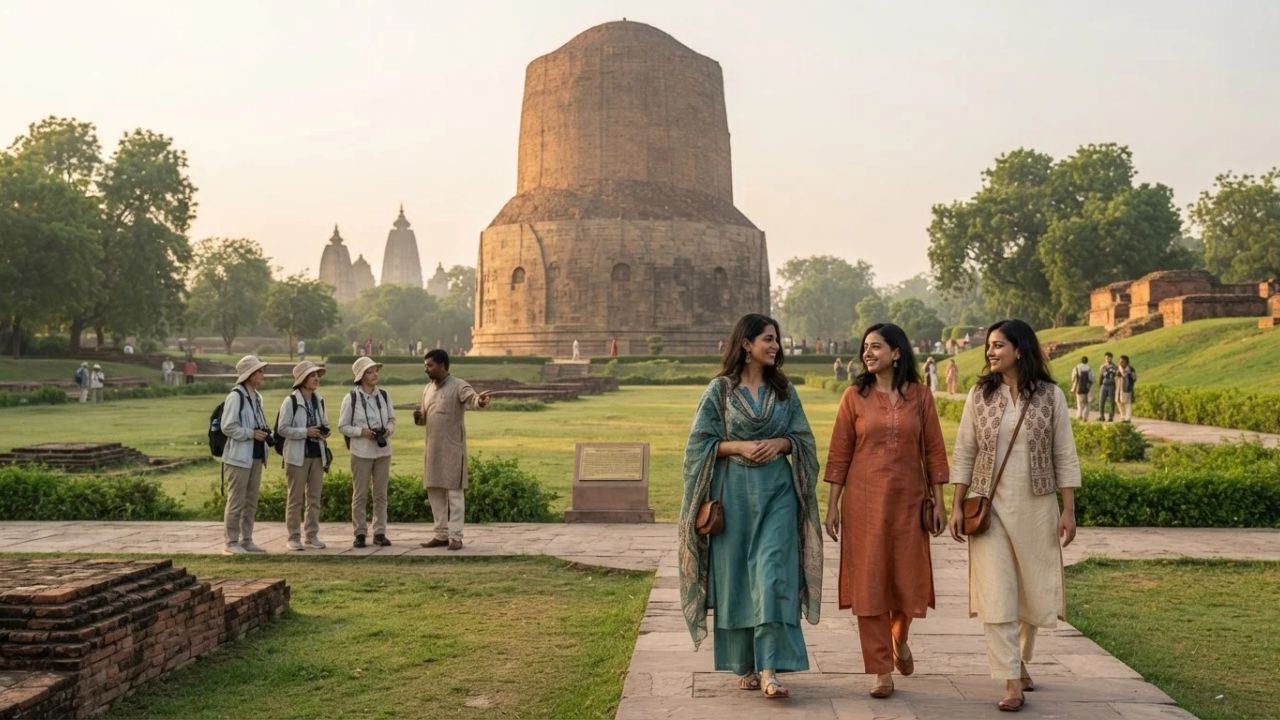
Image generated by AI
A Yamanashi Prefecture delegation visited Sarnath and Varanasi on August 22, 2026, highlighting Sarnath's new UNESCO status. The Uttar Pradesh Tourism Department indicates that the bilateral exchange reinforces the region's Buddhist pilgrimage circuit.
The Integration of Bilateral Agreements and Sacred Geography
A major trend in heritage travel is the development of themed pilgrimage corridors that connect distinct historical and cultural locations. Historically, travelers made isolated trips to single sites, leaving surrounding communities and related monuments out of the tourism loop. In 2026, regional tourism ministries coordinate agreements with foreign prefectures, building structured circuits that guide visitors through multi-destination historical routes.
By linking Sarnath's archaeological stupas with Varanasi’s riverfront rituals, the cooperative framework creates a comprehensive cultural journey. This integrated model supports regional guides, local transport providers, and traditional artisans, showing how heritage conservation and diplomacy support host communities.
Yamanashi Delegation Visit and Sarnath UNESCO Status
The bilateral visit and new heritage designation highlight the growing importance of the Buddhist circuit:
- Visit Date: The Japanese delegation from Yamanashi Prefecture toured Sarnath and Varanasi on August 22, 2026.
- Target Sites: Explored the Dhamek Stupa, Chaukhandi Stupa, and attended the Ganga Aarti at Namo Ghat in Varanasi.
- Geographic Proximity: Sarnath is located approximately ten kilometres north-east of Varanasi, allowing for easy day trips.
- UNESCO Inscription: Sarnath was added to the UNESCO World Heritage List in July 2026 under criteria (iii) and (vi), confirming its universal value.
- World Heritage Expansion: The July 2026 cycle added 25 global properties (19 cultural, 5 natural, 1 mixed), bringing India's total to 45 listed sites.
- Circuit Destinations: Uttar Pradesh's Buddhist circuit includes Sarnath, Kushinagar, and Shravasti.
No new visa relaxations, direct flight routes, or government tour packages were confirmed during this delegation's program.
Understanding Entry Requirements and Airport Access
Japanese visitors planning a pilgrimage must follow the established Indian immigration guidelines:
- e-Visa Eligibility: Japanese passport holders can apply online for tourist e-Visas (available in 30-day, 1-year, and 5-year options).
- Passport Validity: Passports must be valid for at least six months from arrival and contain two blank pages.
- Varanasi Airport Access: Lal Bahadur Shastri International Airport in Varanasi is a designated entry point for passengers arriving with approved e-Visas.
- Visa-on-Arrival Restriction: Varanasi is not on the list of airports that offer the separate Visa-on-Arrival service for Japanese nationals; travelers using this route must obtain an e-Visa in ahead.
Immigration rules and regional tourism agreements remain separate programs, and travelers should rely on official visa portals before booking.
Sarnath-Varanasi Editorial Analysis
The table below breaks down the verified focus of the Sarnath-Varanasi tourism updates, showing the relative weights of the historical heritage, regional pacts, UNESCO designations, and transit categories:
| News Subject | Verified Focus Weight | Key Findings | Traveler Relevance | Primary Source |
|---|---|---|---|---|
| Buddhist Heritage | 35% (35 percent share) | Dhamek Stupa first sermon site | Outlines pilgrimage history | UNESCO Heritage Centre |
| Regional Cooperation | 25% (25 percent share) | UP-Yamanashi Prefecture pact | Underpins cultural exchanges | Embassy of India, Tokyo |
| UNESCO Inscription | 20% (20 percent share) | Sarnath listed in July 2026 | Confirms conservation standards | UNESCO Heritage Centre |
| Visa & Entry Status | 10% (10 percent share) | No new entry changes | 6-month validity, 2 blank pages | Indian Bureau of Immigration |
| Transit & Access | 10% (10 percent share) | Varanasi airport e-Visa entry | Covers regional flights & roads | UP Tourism Department |
These coordinates outline the subjects, weights, findings, traveler relevance, and boards established to analyze the Sarnath-Varanasi corridor.
Resource Stewardship and Conservation Priorities
For the traveler, the benefit of visiting Sarnath via public buses or shared tour vehicles is the reduction in traffic congestion and emissions near the archaeological zones. Protecting the peace of these ancient stupas and monastic remains requires managing visitor volumes.
Additionally, hiring local licensed guides and purchasing traditional Banarasi silk weaves directly supports local craft communities. Respecting monument regulations and staying on designated stone pathways prevents the degradation of delicate brick foundations at Sarnath.
For comparison, you can explore the changing dynamics of Stimulus Launch: Taiwan Unveils Billion-Dollar Repeat Visitor Rewards to see how destinations promote visitor spend. For transit updates, comparing travel scheduling matches other networks, such as Maritime Tourism: Busan Arctic Gateway Relaunches Northern Trade Paths updates. This trend is similar to the tourism growth seen in other destinations, as detailed in our guide on the Hacienda Heights Bus Fire Transport Safety regulations.
Visitor Insider Tips: Exploring the Buddhist Circuit
If you are planning to travel to Sarnath and Varanasi, keep these practical tips in mind:
- Secure an e-Visa Online: Because Varanasi Airport does not offer the separate Visa-on-Arrival service for Japanese nationals, secure your Electronic Travel Authorization online in ahead.
- Visit Namo Ghat for the Aarti: Attend the evening rituals at Namo Ghat in Varanasi, which features modern amenities and spacious viewing platforms.
- Check Monument Hours: Review the seasonal operating hours for the Sarnath Archaeological Museum before departing, as schedules can change.
- Explore the Dhamek Stupa Early: Visit Sarnath in the early morning to experience the peaceful atmosphere before tour groups arrive.
- Hire Certified Guides: Look for guides carrying official identification from the Ministry of Tourism to ensure accurate historical commentary.
Long-Term Outlook for Sarnath Heritage Tourism
The long-term outlook for transit along the Buddhist circuit is focused on introducing zero-emission electric buses between Varanasi and Sarnath, installing multilingual digital signboards near the stupas, and upgrading pedestrian paths. As international interest in Sarnath’s UNESCO status remains high, the Archaeological Survey of India and tourism boards will cooperate to maintain preservation codes.
By protecting archaeological sites and supporting local businesses, the tourism sector aims to build a sustainable destination network.
FAQ
When was Sarnath inscribed on the UNESCO list?
Sarnath was officially added to the UNESCO World Heritage List in July 2026, bringing India's total listed cultural properties to 45.
How far is Sarnath from Varanasi?
The ancient Buddhist site lies approximately ten kilometres north-east of Varanasi, making it an easy day trip.
Can Japanese travelers obtain a Visa-on-Arrival in Varanasi?
No. Varanasi Airport is designated for e-Visa entry, but does not support the separate Visa-on-Arrival facility for Japanese passport holders.
Which destinations make up the UP Buddhist circuit?
The main historical destinations on Uttar Pradesh's Buddhist circuit are Sarnath, Kushinagar, and Shravasti.
Stay updated on the regional travel regulations and cultural programs shaping Indian tourism.
Related Travel Guides
Disclaimer
This article is for informational and educational purposes only. It does not constitute legal, financial, or professional advice. While we strive to provide accurate and up-to-date information, travel policies, regulations, and conditions change rapidly. Always verify information with official sources before making travel decisions. Nomad Lawyer makes no representations about the accuracy, reliability, completeness, or suitability of the information provided. Readers should consult qualified professionals for advice specific to their circumstances. The views expressed in this article are those of the author and do not necessarily reflect the views of Nomad Lawyer.
Raushan Kumar
Founder & Lead Developer
Full-stack developer with 11+ years of experience and a passionate traveller. Raushan built Nomad Lawyer from the ground up with a vision to create the best travel and law experience on the web.
Learn more about our team →