
Indian Tourists Flee Urban Travel Chaos and Airport Disruptions for High-Altitude Himalayan Adventure Zones in Leh and Manali: Latest Airline News
As blistering lowland heat and severe flight cancellations paralyze Indian megacities, domestic travelers are aggressively bypassing global travel chaos to seek refuge in high-altitude Himalayan adventure hubs.

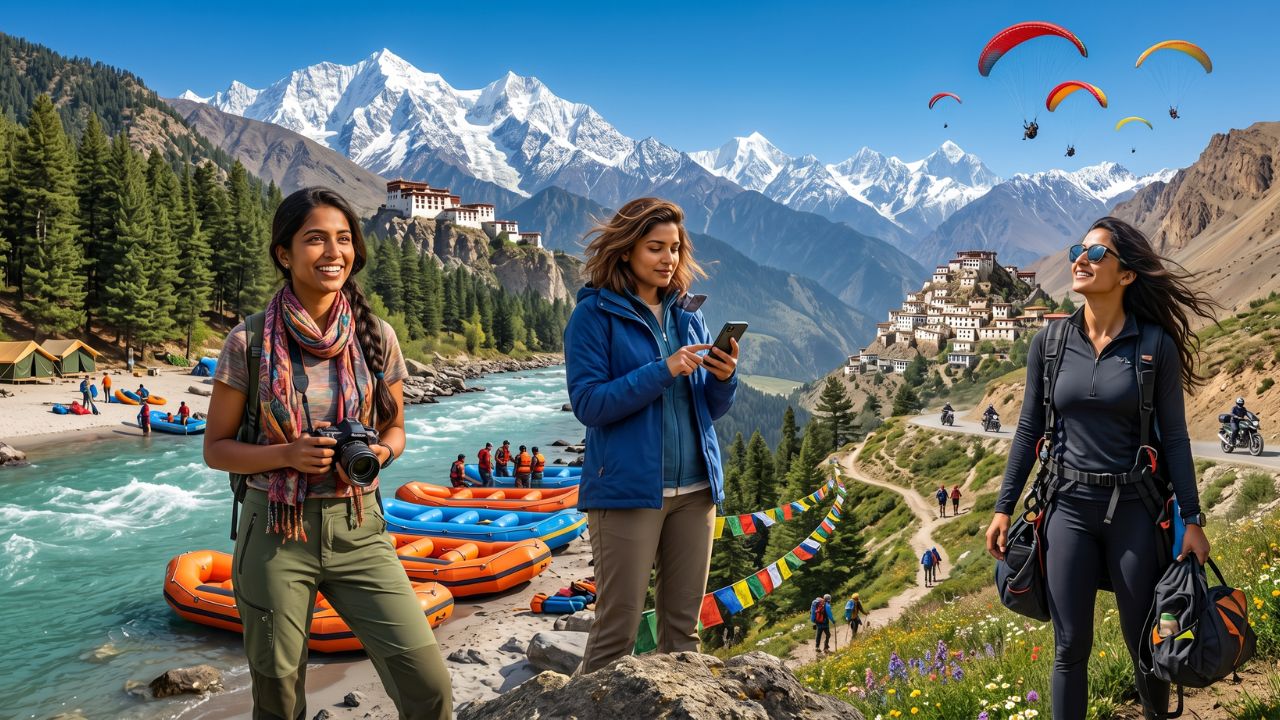
Image generated by AI
In a massive, climate-driven behavioral shift that is actively restructuring the domestic transit pipeline and bypassing widespread travel chaos, Indian tourists are aggressively fleeing the blistering heat of urban megacities for the high-altitude refuge of the Himalayas. While major lowland aviation hubs like Delhi and Mumbai battle severe flight cancellations and grueling airport disruptions exacerbated by extreme summer temperatures, travelers are actively pivoting toward overland adventure zones. Destinations including Rishikesh, Manali, Leh, Spiti Valley, and Bir Billing are absorbing massive surges in visitor volume. By abandoning the volatility of the commercial aviation grid for immersive outdoor travel—specifically rafting, trekking, and paragliding—this massive demographic migration represents the premier headline in today's breaking airline news and essential global aviation updates.
By introducing direct passenger coordination and dynamic scheduling backups, the regional aviation hubs target growing passenger demand across vital commerce sectors. The choice to coordinate flight departures in phases helps to manage gate capacity, supporting the country's broader regional transportation network.
Context: Escaping the Lowland Transit Meltdown
The modern Indian summer travel pattern is currently defined by severe logistical friction in the lowlands. When extreme heat conditions intensify across the plains, the commercial aviation infrastructure frequently buckles under the strain of capacity limits and sudden weather-related delays.
Rather than waiting in sweltering, delayed airport terminals, travelers are increasingly opting for the cooler, reliable Himalayan and trans-Himalayan zones. This is not traditional luxury leisure; it is a direct operational pivot toward activity-based tourism. Because road networks to these regions have vastly improved connectivity, tourists are utilizing personal vehicles, motorcycles, and regional transport networks to completely bypass the commercial flight cancellations plaguing the major airlines. Each of these high-altitude destinations functions as a distinct entry point into the mountains, collectively forming a highly resilient seasonal circuit shaped by extreme climate contrast and a growing preference for immersive, high-adrenaline outdoor travel.
To view live regional transit schedules, real-time highway maps, or specific high-altitude weather protocols at primary gateway cities, travelers must consult official state tourism directories. For direct booking access to regional airports connecting these hubs and specific baggage rules, passengers should check the official IndiGo portal or their respective operating carrier. To explore live flight tracking and monitor the exact severity of lowland domestic routes, passengers can consult the official FlightAware tracking service.
Section-Wise Breakdown of the High-Altitude Refuge
Rishikesh: The River Adventure Base
Positioned along the Ganges, Rishikesh operates as the most highly structured river-adventure destination in northern India. Tourists fleeing the heat engage in seasonal white-water rafting, kayaking runs, and cliff-side jumps. Adventure infrastructure is massive here, including fixed-platform installations for bungee jumping. Despite the high activity density, the riverfront remains a central public space, providing immediate thermal relief from the mainland heat.
Manali: The Transitional Mountain Gateway
Located in the Kullu Valley, Manali serves as a critical transitional destination connecting accessible tourism infrastructure with raw, high-altitude zones. Its massive appeal lies in its flexibility. Travelers can quickly access paragliding sites, alpine trekking routes, and ATV forest tracks. Manali allows rapid movement between modern town facilities and natural landscapes, enabling short-duration adventure travel without the logistical nightmare of navigating a major airport delay.
Bir Billing: The Aerial Corridor
Bir Billing is defined entirely by its role in aerial sports. As one of the most reliable paragliding corridors in the Himalayas, it offers sustained flight periods over forested valleys and layered mountain ridges. On the ground, the region supports a low-impact tourism model, with travelers utilizing homestays, walking trails, and cycling routes to completely disconnect from the frenetic pace of urban travel chaos.
Leh and Spiti Valley: The Extreme Isolation
For those seeking total isolation from commercial tourism, Leh and Spiti Valley offer high-altitude desert conditions accessible only once snow clears the high mountain passes. Long-distance motorcycle routes attract overland travelers navigating sharp altitude shifts. River rafting along the Indus River and trekking to centuries-old, isolated monasteries define the experience. These zones require serious logistical planning and acclimatization, completely replacing the stress of flight delays with the physical demands of extreme terrain.
Technical Roster: India High-Altitude Adventure Matrix
To ensure absolute factual accuracy regarding the specific geographic zones absorbing this massive domestic tourism shift, the following table details the core operational characteristics defining the Himalayan circuit:
| Himalayan Destination | Primary Adventure Characteristic | Domestic Travel Market Impact |
|---|---|---|
| Rishikesh | Ganges River Rafting & Bungee | Highly structured, easily accessible base for extreme water sports |
| Manali | Transitional Alpine Trekking | Flexible adventure hub blending modern infrastructure with rapid natural access |
| Bir Billing | Sustained Aerial Paragliding | Premier global aerial sports site supported by low-impact eco-camps |
| Leh | High-Altitude Overland Routes | Demands serious acclimatization; features Indus River rafting and motorcycling |
| Spiti Valley | Isolated High-Altitude Desert | Remote, road-based travel focused on centuries-old monasteries and camping |
Passenger Impact: Trading Airport Stress for Physical Endurance
For the everyday Indian tourist navigating the severe travel chaos of 2026, the decision to head to the mountains represents a fundamental shift in how vacations are consumed.
Passengers who previously absorbed massive flight delays and exorbitant hotel costs in commercial hubs are now investing in overland transportation. By routing through Rishikesh or Manali, they trade the psychological stress of an airport departure board for the physical endurance of a high-altitude trek. For the domestic traveler, surviving the winding, often treacherous mountain roads is considered a vastly superior experience to being stranded in a sweltering terminal. The profound reward for navigating this Himalayan circuit is direct, uncompromised access to pristine environments, ancient cultural landmarks, and a profound disconnection from the failing commercial aviation grid.
Industry Analysis: The Economics of Climate-Driven Tourism
Aviation and hospitality industry analysts view this massive pivot to high-altitude zones as a direct macroeconomic reaction to rising lowland temperatures and aviation instability.
While commercial airlines struggle with capacity limits during the summer peak, regional overland tour operators and adventure sports companies are experiencing explosive revenue growth. Analysts note that this shift decentralizes the tourism economy, pushing vital capital out of the megacities and into rural, high-altitude communities. The proliferation of homestays in Bir Billing and independent trekking guides in Spiti Valley proves that the modern Indian traveler is actively rejecting conventional, highly packaged summer leisure. Analysts warn that unless commercial airlines can stabilize their summer schedules and guarantee frictionless transit, this highly lucrative demographic will permanently abandon commercial flights in favor of overland, geography-driven adventure travel.
Actionable Advice for Navigating the Himalayan Circuit
If you are a traveler planning to bypass urban travel chaos by executing a high-altitude itinerary this summer, execute this tactical survival checklist immediately:
- Mandate Altitude Acclimatization: If you are traveling overland from the lowlands directly to Leh or Spiti Valley, you must factor in strict acclimatization days. Do not attempt intense physical activity within the first 48 hours of arriving above 10,000 feet to prevent severe Acute Mountain Sickness (AMS).
- Verify Road Conditions Continuously: High mountain passes are highly susceptible to sudden closures due to late-season snowmelt or landslides. Do not rely on outdated maps; utilize local transport networks and regional authorities to verify the exact status of the roads connecting Manali to Leh daily.
- Audit Adventure Operators: In high-density zones like Rishikesh and Bir Billing, the quality of safety gear varies wildly. Only utilize heavily vetted, officially licensed operators for extreme activities like white-water rafting, bungee jumping, and paragliding.
- Prepare for Total Disconnection: When traveling into Spiti Valley or deeper regions of Ladakh, expect zero cellular connectivity and limited access to digital payment systems. Carry sufficient cash and download offline topographical maps before leaving the transitional hubs.
FAQ: India High-Altitude Adventure Tourism 2026
Why are Indian tourists aggressively shifting their summer travel to the Himalayas?
Driven by blistering urban heat and severe flight cancellations in the lowlands, travelers are seeking cooler, high-altitude refuge and bypassing commercial travel chaos for overland adventure.
Which specific destinations form the core of this summer Himalayan circuit?
The primary hubs absorbing this massive domestic influx include Rishikesh, Manali, Leh, Spiti Valley, and the premier paragliding corridor of Bir Billing.
What are the primary activities driving this high-altitude tourism boom?
Tourists are actively engaging in extreme, immersive outdoor activities, specifically white-water rafting, long-distance motorcycling over mountain passes, paragliding, and alpine trekking.
Escaping the Lowland Grid
The massive influx of domestic travelers into the Himalayas proves definitively that the modern Indian tourist will aggressively bypass the severe travel chaos of the lowlands to secure physical and psychological relief. By trading the highly congested, delayed commercial aviation network for the rugged, physically demanding terrain of Leh and Spiti Valley, these travelers are completely redefining peak summer leisure. As regional tourism boards heavily invest in safety infrastructure to support this high-altitude boom, commercial airlines and urban hospitality executives must accept a highly critical reality: to retain the modern summer traveler, they must compete not just on price, but against the sheer, unbridled freedom of the Himalayan adventure zones.
Key Takeaways
- Fleeing Urban Chaos: Severe heat and chronic lowland airport disruptions are actively driving massive volumes of Indian tourists toward high-altitude, cooler Himalayan destinations.
- The Adventure Pivot: Travelers are aggressively rejecting standard commercial leisure, opting instead for extreme outdoor activities like rafting, trekking, and paragliding.
- Rishikesh & Manali Hubs: These accessible transitional destinations are absorbing huge numbers of travelers seeking rapid access to white-water and alpine adventure.
- The Extreme Isolation of Leh & Spiti: Dedicated overland travelers are navigating treacherous high-altitude mountain passes to secure total disconnection from the commercial grid.
- Economic Decentralization: This behavioral shift is redirecting massive tourism revenue away from urban mega-hubs and directly into rural, high-altitude mountain communities.
Related Travel Guides
Greece Eradicates Summer Travel Chaos with Radical Tourism Strategy
Extreme Heatwaves Trigger Travel Chaos Across Greece
India High-Altitude Tourism and Overland Logistics Discussion on Reddit
Disclaimer
This article is for informational and educational purposes only. It does not constitute legal, financial, or professional advice. While we strive to provide accurate and up-to-date information, travel policies, regulations, and conditions change rapidly. Always verify information with official sources before making travel decisions. Nomad Lawyer makes no representations about the accuracy, reliability, completeness, or suitability of the information provided. Readers should consult qualified professionals for advice specific to their circumstances. The views expressed in this article are those of the author and do not necessarily reflect the views of Nomad Lawyer.
Kunal K Choudhary
Co-Founder & Contributor
A passionate traveller and tech enthusiast. Kunal contributes to the vision and growth of Nomad Lawyer, bringing fresh perspectives and driving the community forward.
Learn more about our team →