
India's Hidden Wildflower Plateaus and Valleys Transform Into Seasonal Floral Wonderlands Following Monsoon Rains
Explore India's stunning seasonal wildflower destinations including Kaas Plateau, Yumthang Valley, and Dzükou Valley, with travel planning tips.

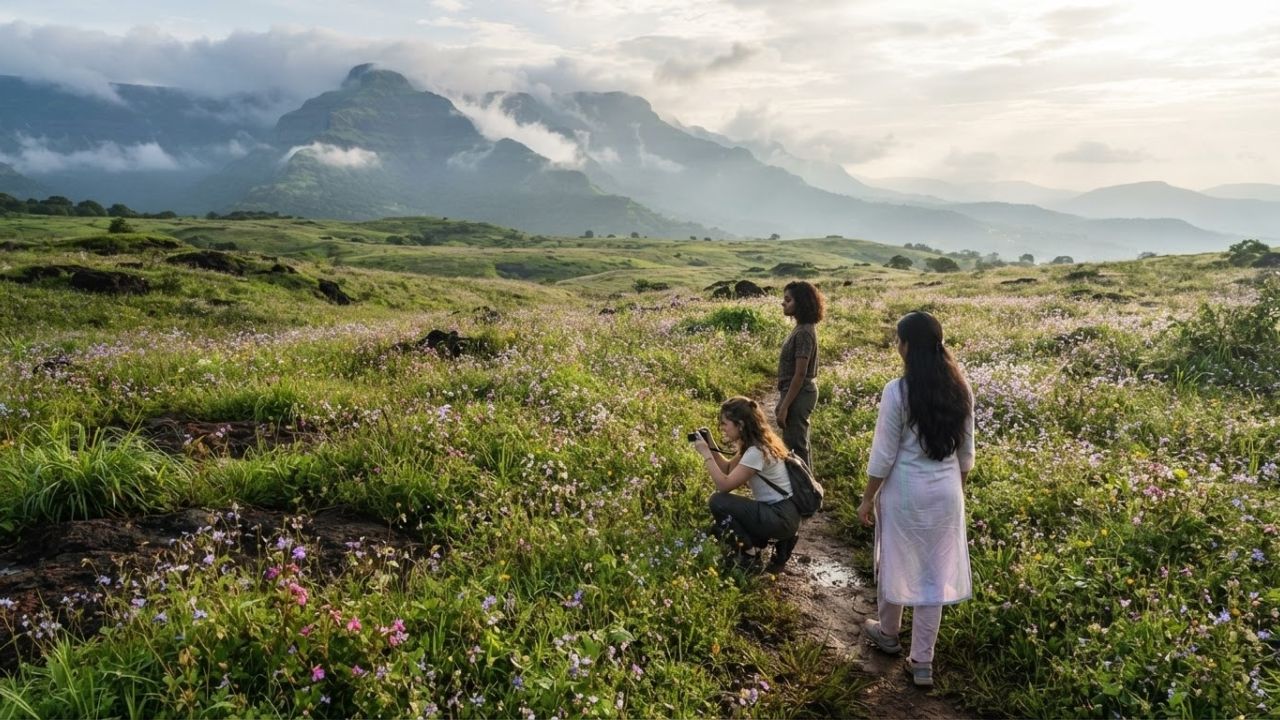
Image generated by AI
Monsoon rains across India have triggered the emergence of rare wildflower blooms across the Western Ghats, the Eastern Himalayas, and Northeast India. These lesser-known ecological sanctuaries are offering travelers stunning seasonal alternatives to the traditional Valley of Flowers.
Following a strong monsoon season, India's hidden wildflower destinations transform into colorful ecological wonderlands, offering travelers vibrant alternatives to Uttarakhand's Valley of Flowers. From the UNESCO-listed plateaus of Maharashtra to the high-altitude valleys of Sikkim and the borders of Nagaland, these fragile environments shelter rare endemic plants that thrive only under specific seasonal parameters. By opting for these secluded nature reserves, trekkers and photographers can bypass tourist crowds while supporting regional conservation efforts and sustainable community tourism.
Kaas Plateau: Maharashtra's UNESCO-Listed Volcanic Flower Fields
Kaas Plateau, located in the Western Ghats of Maharashtra, offers one of the most impressive seasonal wildflower displays in western India. When the heavy monsoon rains begin to clear between August and October, this basaltic volcanic plateau undergoes a rapid ecological change.
The plateau is recognized as a UNESCO World Natural Heritage Site, protecting more than 850 species of flowering plants. The combination of shallow, nutrient-poor soil, unique volcanic geology, and high seasonal rainfall creates a habitat where specialized endemic flora can thrive:
- Endemic Focus: Many species found here grow naturally only on the plateaus of the Western Ghats.
- Evolving Colors: The plateau changes color every few weeks during the blooming period as different plant species take turns to flower.
- Insect Sanctuaries: The vast meadows of small, low-lying flowers support local butterfly populations and pollinator networks.
Yumthang Valley: Alpine Rhodendron Sanctuaries of North Sikkim
Situated in the high-altitude mountains of North Sikkim at an elevation above 3,500 meters, Yumthang Valley offers a dramatic Himalayan display of alpine vegetation. The valley floor is surrounded by snow-covered peaks, glacial rivers, and pine forests, creating a unique mountain habitat.
During the late spring and early summer months, the valley transforms into a high-altitude botanical garden. Primulas, blue poppies, orchids, and dozens of species of rhododendrons spread across the meadows.
Because of the extreme elevation, the plants here have developed specialized adaptations to survive freezing winds, thin air, and short growing seasons. This makes Yumthang a primary destination for travelers interested in Himalayan botany and high-altitude photography.
Dzükou Valley: Preserving the Endemic Lilies of Nagaland and Manipur
Dzükou Valley, positioned on the border of Nagaland and Manipur, is one of the most secluded and pristine environments in Northeast India. The valley is known for its steep green hills, freshwater streams, and quiet trails, which come alive with color during the monsoon.
As seasonal rains nourish the region, wildflowers cover the hillsides. The valley's most famous botanical treasure is the rare Dzükou Lily (Lilium chitrangadae), which grows naturally only in this specific geographic microclimate.
The valley's remote location has helped protect it from heavy commercial tourism, preserving its fragile grasslands. Trekkers visiting the region must navigate steep mountain trails, making it a favorite for adventure-focused travelers.
Eravikulam and Munnar: Evaluating Kerala's High-Altitude Grassland Ecosystems
The Western Ghats of Kerala host unique high-altitude shola-grassland ecosystems that support a diverse range of seasonal wildflowers. Eravikulam National Park is internationally famous for the Neelakurinji (Strobilanthes kunthiana), which covers the hills in purple once every 12 years.
However, the park's meadows support many other seasonal flowers and orchids throughout the year. The mist-shrouded grasslands provide a habitat for endemic plants that have evolved to survive in high humidity and cool mountain temperatures.
Nearby Munnar also features hidden valleys where wild balsams and orchids bloom after the monsoon. These areas offer travelers a quiet alternative to the commercial tea estates, showcasing the botanical diversity of southern India's mountain ranges.
Eastern Himalayas: Trekking Trails and Seasonal Blooms in Sandakphu
Sandakphu, the highest peak in West Bengal, serves as a popular trekking route offering panoramic views of Mount Everest and Kanchenjunga. During the spring months, the trekking trails are bordered by vibrant displays of mountain wildflowers.
The forest paths are lined with magnolias, orchids, and multi-colored rhododendron trees. As travelers ascend the trails, the vegetation transitions from temperate oak forests to sub-alpine grasslands, displaying a wide variety of plant species along the way. This transition provides a moving botanical exhibition for hikers and nature photographers.
Why This Matters (Information Gain & Experience)
For the traveler, the existence of these alternative wildflower valleys means that seasonal nature viewing is not restricted to Uttarakhand. Visitors can plan trips to closer regions, like the Kaas Plateau in Maharashtra or Munnar in Kerala, to experience rare floral events without undertaking difficult Himalayan expeditions.
From a conservation standpoint, the seasonal nature of these blooms means that visitor capacity must be strictly regulated. At Kaas Plateau, authorities limit daily visitor entries to prevent trampling of fragile micro-habitats, making early online registration essential for travelers planning to visit during the peak September season.
Data Table
| Destination & State | Elevation / Altitude | Key Floral Species | Best Viewing Period |
|---|---|---|---|
| Kaas Plateau (Maharashtra) | Low-elevation volcanic plateau | Over 850 species of endemic flowering plants | August to October |
| Yumthang Valley (North Sikkim) | Above 3,500 meters | Primulas, poppies, and diverse rhododendrons | Late spring to early summer |
| Dzükou Valley (Nagaland/Manipur) | Rolling high-altitude valley | Rare Dzükou Lily (Lilium chitrangadae) | June to September (monsoon) |
| Eravikulam National Park (Kerala) | High-altitude Western Ghats | Neelakurinji (blooms once every 12 years) | Seasonal post-monsoon blooms |
| Sandakphu (West Bengal) | West Bengal's highest peak | Orchids, magnolias, and high-alpine flowers | Spring (March to May) |
| Munnar Highlands (Kerala) | Shola forests and grasslands | Wild balsams, terrestrial orchids, and ground flora | Monsoon and post-monsoon months |
Key Takeaways
- Diverse Options: India features multiple seasonal wildflower valleys across the Western Ghats and the Himalayas that rival the famous Valley of Flowers.
- Kaas Plateau: A UNESCO World Heritage Site in Maharashtra hosting over 850 species of flowering plants on a volcanic plateau.
- Himalayan Sanctuaries: Yumthang Valley in Sikkim offers unique alpine rhododendron and primula displays at high elevations.
- Rare Species: Nagaland's Dzükou Valley protects the rare Dzükou Lily, which grows only in the valley's distinct microclimate.
- Regulated Access: Due to the fragile nature of these ecosystems, parks like Kaas enforce daily visitor caps, requiring travelers to plan and register in advance.
FAQ
When is the best time to visit the Kaas Plateau?
The best viewing period is between August and October, when the monsoon rains begin to clear and the volcanic plateau transforms into a colorful meadow.
What makes the Dzükou Valley special for travelers?
Dzükou Valley is a remote trekking destination known for its pristine grasslands and the rare Dzükou Lily, which grows naturally only in this valley.
How often does the Neelakurinji flower bloom in Kerala?
The Neelakurinji flower blooms once every 12 years, covering the high-altitude grasslands of Eravikulam and Munnar in a sheet of purple.
Do I need a permit to visit Yumthang Valley?
Yes, Yumthang Valley is located in North Sikkim, which is a restricted border area requiring a Protected Area Permit (PAP) for tourists.
Are there any visitor restrictions at the Kaas Plateau?
Yes, the forest department limits daily entries to Kaas Plateau to protect the fragile soil and endemic plants from over-tourism.
Related Travel Updates and Regional Guides
- Related: Porto Santo Complements Funchal With Luxair Luxembourg Flights, New Airport Terminal Tender and Integrated Buses to Support Sustainable Tourism
- Related: Ireland Tourism Growth Gathers Momentum as Spain, United States and Germany Drive Inbound Leisure Travel Across Five Months in 2026
- Related: Mediterranean Fire Crisis: Wildfires Threaten European Tourism in Greece, France and Spain This Summer
Disclaimer
This article is for informational and educational purposes only. It does not constitute legal, financial, or professional advice. While we strive to provide accurate and up-to-date information, travel policies, regulations, and conditions change rapidly. Always verify information with official sources before making travel decisions. Nomad Lawyer makes no representations about the accuracy, reliability, completeness, or suitability of the information provided. Readers should consult qualified professionals for advice specific to their circumstances. The views expressed in this article are those of the author and do not necessarily reflect the views of Nomad Lawyer.
Kunal K Choudhary
Co-Founder & Contributor
A passionate traveller and tech enthusiast. Kunal contributes to the vision and growth of Nomad Lawyer, bringing fresh perspectives and driving the community forward.
Learn more about our team →