
Preventing Security-Driven Travel Chaos: India DGCA Issues Urgent Clarification on Airport Photography to Eradicate Terminal Gridlock
As widespread rumors regarding a total ban on airport photography threaten to trigger massive security bottlenecks and travel chaos across India, the DGCA urgently clarifies civilian terminal permissions to prevent severe operational disruptions.

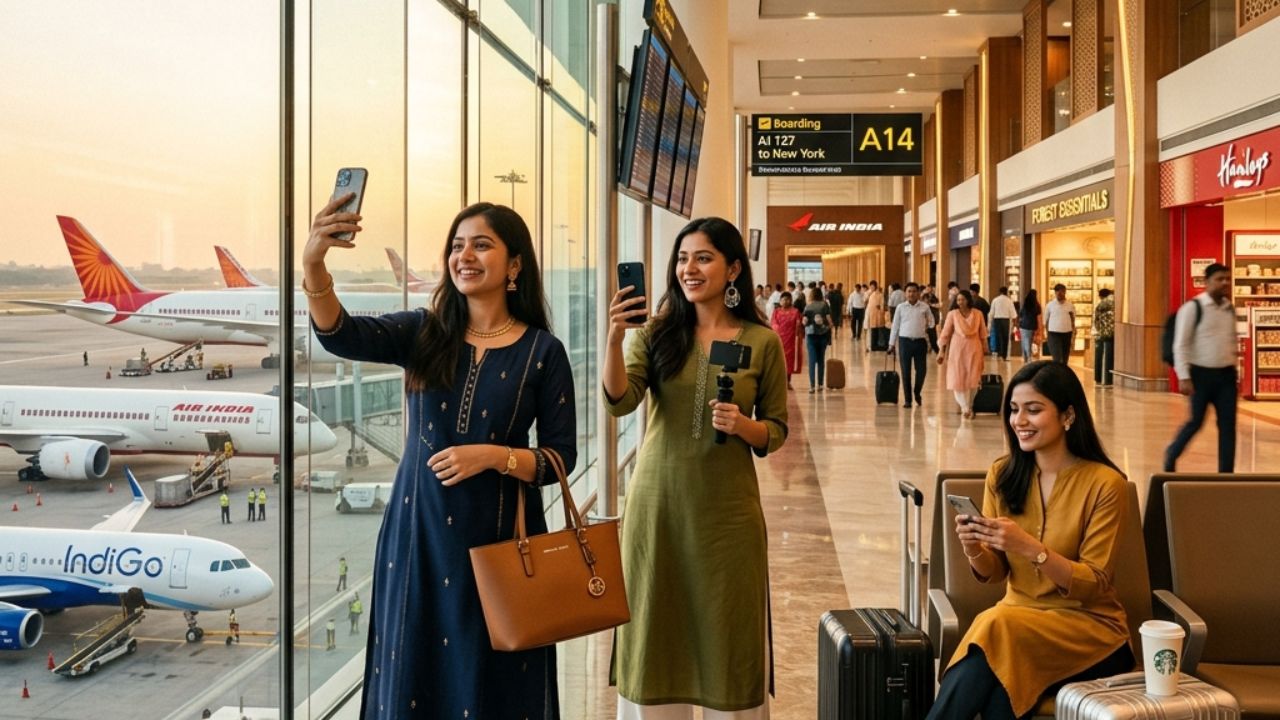
Image generated by AI
A Massive Regulatory Intervention to Defeat Terminal Gridlock
While massive sectors of the global passenger network frequently battle highly unpredictable extreme weather events, synchronized logistical bottlenecks, and horrific commercial fleet constraints, severe security misunderstandings remain the absolute most terrifying catalyst for sudden, cascading airport disruptions. Delivering highly urgent, breaking airline news, verified Indian aviation trackers confirm that a massive strategic operational milestone has actively been achieved to completely shield vulnerable international tourists and domestic travelers from severe travel chaos across the highly volatile Indian aviation network. Today, June 3, 2026, highly alarming operational news forcefully emerged from New Delhi as the Directorate General of Civil Aviation (DGCA) aggressively issued a nationwide clarification regarding airport photography rules, desperately attempting to halt widespread passenger confusion from crippling airport security checkpoints.
While desperate travelers usually attempt to navigate sudden, terrifying flight cancellations caused by heavily congested air corridors, these exclusive aviation updates reveal a highly systemic, incredibly protective regulatory intervention designed to entirely bypass massive terminal gridlock. Widespread rumors had recently paralyzed Indian airports, falsely suggesting that a total ban on photography—including basic selfies and travel videos—had been implemented. This incredibly dangerous misinformation actively threatened to destroy the travel itineraries of thousands of incredibly vulnerable passengers, violently increasing exposure to grueling security detainments, confiscated devices, and agonizing delays at departure gates. To prevent this impending travel chaos, the DGCA explicitly confirmed that under existing frameworks, no fresh changes have been made, allowing normal passenger photography in civilian terminals to continue uninterrupted.
Expanded Overview: The Scale of the Passenger Confusion
The sudden, highly publicized execution of this massive regulatory clarification serves as an undeniable example of how rapidly a simple misunderstanding can completely collapse terminal efficiency into extreme transit pressure. The massive DGCA intervention explicitly draws international attention to the incredibly complex, highly fragile operational ecosystem that dictates security at Indian airports. For a massive corporate corridor heavily reliant on incredibly robust, high-frequency passenger flow, forcing security personnel to repeatedly halt queues to argue with passengers over innocent selfies heavily exposes the entire terminal to terrifying delays and severe traveler fatigue.
The terrifying reality of the current transit crisis was found in the sheer volume of high-capacity terminals facing abrupt gridlock because content creators and families were unsure of where they could legally use their cameras. By actively clarifying the rules outlined in SO1353 (dated December 9, 2004), the DGCA intends to permanently rescue Indian airports from this terrifying logistical puzzle. This massive strategic maneuver instantly bypasses the paralyzed inbound and outbound security traffic of major hubs. When security staff are freed from policing harmless terminal photography, they can focus entirely on genuine threats, completely insulating arriving passengers and entirely avoiding the localized ripple effects that violently spiral into massive, unmanageable waves of travel chaos.
Section-Wise Breakdown of the Security Solution
Bypassing Terminal Security Chaos
The core of the DGCA's urgent clarification is that photography inside civilian airport terminals continues to be permitted. This means that ordinary passengers desperately trying to capture family farewells or travel memories in check-in, waiting, arrival, and departure areas are entirely free to do so. By establishing this clear baseline, the DGCA completely eradicates the horrifying scenario where a passenger is detained and forced to miss their flight simply for taking a selfie near a coffee shop. However, this permission mandates strict operational discipline—passengers cannot block foot traffic or interfere with airport staff.
Civil Enclaves: Navigating the Danger Zones
The clarification becomes critically important at "civil enclaves"—civilian terminals operating directly inside highly restricted defence airports, such as Pune, Goa, and Guwahati. In these incredibly volatile locations, the threat of triggering a severe security lockdown is massive. The DGCA explicitly confirmed that while photography is allowed within the civilian terminal building, capturing any images of the surrounding military infrastructure is a catastrophic violation. Passengers must remain hyper-vigilant; pointing a camera toward a defence zone can instantly trigger severe travel chaos, including immediate detainment by military police and devastating flight cancellations for the involved party.
Red Zones: The Threat of Operational Disruption
To prevent catastrophic security breaches, the DGCA explicitly outlined where photography remains absolutely prohibited. The "airside"—which includes ramps, aerobridges, aircraft parking areas, and airport buses—remains a strict no-photography zone unless specific clearance is granted. Furthermore, while in-flight photography is generally allowed, taking window-seat photos of military installations while flying over defence airports is strictly forbidden. For travel content creators and vloggers, the DGCA issued a severe warning: while casual selfies are fine, using tripods or professional equipment for staged commercial shoots without prior authorization will actively trigger airport disruptions and result in immediate security intervention.
Verified DGCA Photography Guidelines
To fully comprehend the massive operational scale and strategic deployment dictating this highly protective regulatory solution, the following tables explicitly detail the exact permitted zones and the severe red zones driving India's defense against terminal travel chaos:
Permitted Photography Zones (Chaos-Free)
| Airport Location | DGCA Regulatory Status | Defense Against Travel Chaos |
|---|---|---|
| Civilian Terminals | Permitted (Check-in, Gates) | Prevents massive security bottlenecks over innocent selfies. |
| Civil Enclaves (Terminal) | Permitted (Inside Building Only) | Allows normal passenger flow at Pune, Goa, and Guwahati. |
| In-Flight (Cruising) | Permitted (Cabin/Non-Military) | Avoids terrifying mid-air disputes with flight attendants. |
| Casual Travel Content | Permitted (No Tripods/Crews) | Allows vloggers to document trips without triggering gridlock. |
Severe Red Zones (Strictly Prohibited)
| Restricted Area | Security / Operational Impact | Passenger Disruption Threat |
|---|---|---|
| Airside (Ramps/Buses) | Strictly Prohibited. | Taking photos near active aircraft triggers immediate detainment. |
| Aerobridges | Strictly Prohibited. | Blocks boarding procedures, causing severe flight delays. |
| Defence Installations | Strictly Prohibited (Ground/Air). | Catastrophic violation leading to confiscation and missed flights. |
| Professional Shoots | Requires Explicit Clearances. | Unapproved tripods violently disrupt terminal passenger flow. |
Passenger Impact: Navigating the Regulatory Landscape
For the modern premium commuter attempting to navigate this highly volatile Indian aviation network, the passenger impact of this DGCA clarification is completely liberating. Clear, undisputed security rules are the absolute backbone of stress-free itineraries, and this intervention guarantees it.
- Eradicate Security Detainments: Because the DGCA has forcefully clarified that terminal selfies are legal, passengers are completely shielded from the terrifying threat of overzealous security personnel detaining them and causing them to miss their flights.
- Prevent Confiscated Devices: By clearly mapping out the absolute red zones (airside and defence installations), international tourists can safely navigate civil enclaves like Goa without the horrifying fear of having their expensive camera equipment permanently seized.
- Bypass Terminal Gridlock: When thousands of passengers understand exactly where they can and cannot take photos, the massive, agonizing bottlenecks at security checkpoints and boarding gates simply vanish, accelerating the entire transit experience.
Conclusion: A Highly Protective Regulatory Upgrade
The massive, highly publicized regulatory clarification issued by the Directorate General of Civil Aviation represents a severe, incredibly vital upgrade for the Indian travel sector. By actively ensuring that passengers clearly understand the boundaries of airport photography, the DGCA completely bypasses critical security disruptions, guaranteeing an incredibly smooth, highly protective travel experience. As security forces at civilian airports and civil enclaves violently enforce the remaining red zones, international travelers are heavily urged to aggressively leverage these clear guidelines, completely avoid photographing military or airside infrastructure, and fully expect this massive regulatory transparency to eradicate unprecedented terminal travel chaos.
Key Takeaways
- Massive Regulatory Relief: The DGCA has urgently clarified that no new bans exist; photography inside general passenger areas of civilian airport terminals remains entirely permitted under the 2004 rule SO1353.
- Shielding Passengers from Chaos: The clarification prevents massive terminal gridlock caused by confusion over whether travelers can take selfies, family photos, or travel videos before flights.
- Civil Enclaves Alert: At defence-linked airports (like Pune, Goa, Guwahati), passengers can take photos inside the civilian terminal, but photographing any outside military infrastructure is a catastrophic violation.
- Strict Red Zones: The airside—including ramps, aerobridges, and airport buses—remains strictly prohibited for photography, and violations will trigger severe security detainments and missed flights.
- Passenger Survival Tactics: Travelers seeking to avoid massive travel chaos and device confiscation are aggressively urged to keep their cameras packed away while boarding or deplaning on the tarmac, and to never use tripods in public terminal spaces.
Disclaimer: The specific DGCA regulations, permitted zones, and severe security protocols presented in this report are based on verified government clarifications regarding Indian aviation in June 2026. Official airport security directives, terminal surveillance levels, and national defense policies are highly volatile and subject to continuous, real-time update based on active threat assessments, fluctuating passenger behavior, and sudden airport infrastructure shifts. Prospective passengers are urgently advised to fiercely monitor local signage and strictly obey all verbal commands from CISF (Central Industrial Security Force) and airline personnel prior to taking any photographs at Indian airports.
Disclaimer
This article is for informational and educational purposes only. It does not constitute legal, financial, or professional advice. While we strive to provide accurate and up-to-date information, travel policies, regulations, and conditions change rapidly. Always verify information with official sources before making travel decisions. Nomad Lawyer makes no representations about the accuracy, reliability, completeness, or suitability of the information provided. Readers should consult qualified professionals for advice specific to their circumstances. The views expressed in this article are those of the author and do not necessarily reflect the views of Nomad Lawyer.
Kunal K Choudhary
Co-Founder & Contributor
A passionate traveller and tech enthusiast. Kunal contributes to the vision and growth of Nomad Lawyer, bringing fresh perspectives and driving the community forward.
Learn more about our team →