
India Registers Strong Cultural Tourism Growth Driven by Festivals and Heritage
India's inbound and domestic travel sectors are experiencing rapid growth driven by heritage sites and major cultural festivals.

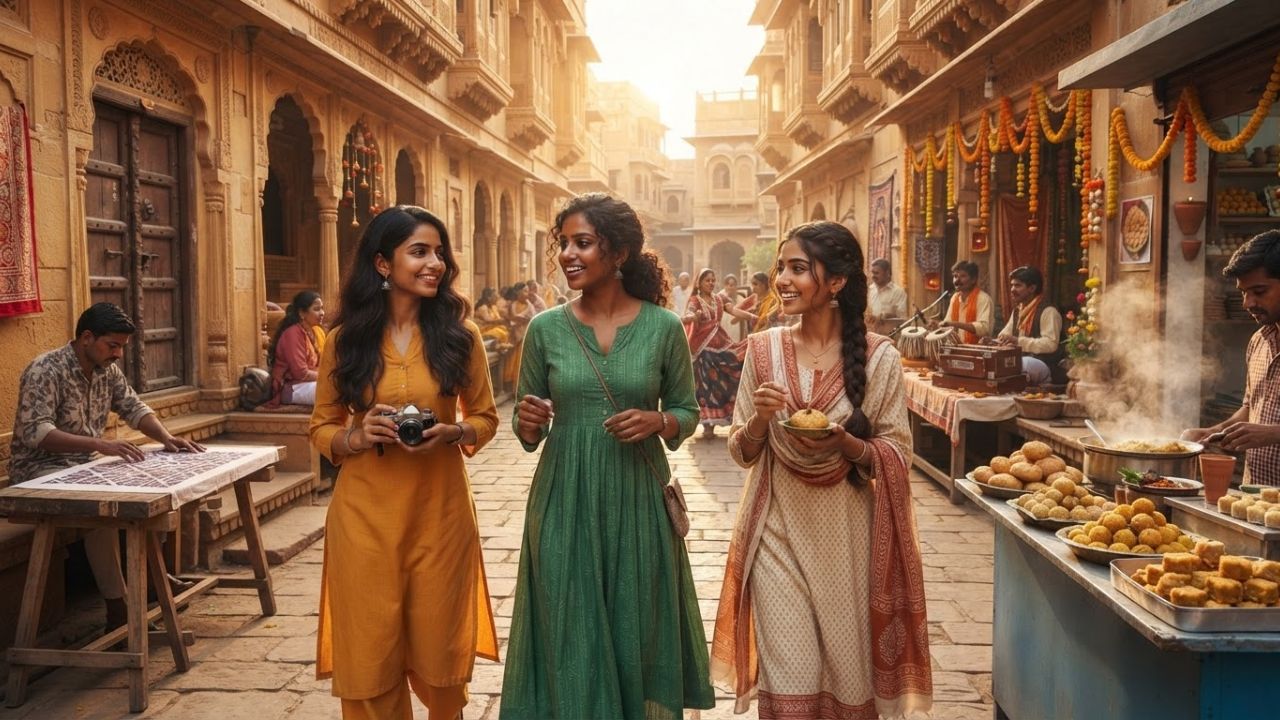
Image generated by AI
India is experiencing a significant shift in domestic and international travel demand as visitors increasingly prioritize heritage sites, regional festivals, and authentic culinary tours. This focus on cultural discovery is reshaping regional economies and encouraging travelers to plan itineraries months in advance.
Analysis of Regional Heritage and Festival Corridors
Our analysis of state tourism registries indicates that travelers are shifting away from generic vacation packages to target specific cultural events. Major cities and regional enclaves are capturing high volumes during seasonal events, with Kolkata's Durga Puja, Mumbai's Ganesh Chaturthi, and Gujarat's Navratri Garba serving as primary anchors. Concurrently, heritage-rich regions like Kochi in Kerala, Udaipur in Rajasthan, and Almora in Uttarakhand are registering record bookings verified by Ministry of Tourism, Government of India statistics logs.
Gastronomy has similarly emerged as a powerful motivator, with travelers booking culinary tours to explore regional ingredients and traditional cooking methods. This demand for authenticity has expanded beyond major hubs to benefit smaller artisan communities in Lucknow, Puri, and Kohima. To support these travelers, regional transport operators are expanding train capacities and introducing special event shuttle links.
Comparative Regional Profiles and Festival Calendars
The tables below outline the key cultural attractions and prominent festivals across India's leading states:
Regional Tourism Profiles
| Region / City | Core Cultural Asset | Primary Travel Draw |
|---|---|---|
| Kolkata (West Bengal) | Colonial architecture & Durga Puja pandals | Festival tours and traditional crafts |
| Kochi (Kerala) | Spice trade history & maritime heritage | Kathakali dance and traditional cuisine |
| Udaipur (Rajasthan) | Mewar palaces and lake heritage | Royal history and traditional music |
| Almora (Uttarakhand) | Kumaoni heritage & ancient temples | Himalayan hiking and rural community stays |
| Lucknow (Uttar Pradesh) | Awadhi architecture & culinary traditions | Gastronomic tours & heritage walks |
| Puri (Odisha) | Spiritual monuments & sand arts | Rath Yatra festival and temple heritage |
| Kohima (Nagaland) | Indigenous tribal culture & Hornbill festival | Traditional crafts and music exploration |
Prominent Cultural Festivals
| Festival Name | Cultural Significance | Primary Host Region |
|---|---|---|
| Durga Puja | Neoclassical street art installations and rituals | Kolkata (West Bengal) |
| Ganesh Chaturthi | Large-scale community processions and idols | Mumbai (Maharashtra) |
| Navratri Garba | Folk dance performances and music celebrations | Gujarat & Mumbai |
Passenger Rights & Advisory (Information Gain & Experience)
For travelers booking domestic flights or high-speed rail tickets to access India's cultural festivals, understanding passenger rights is key:
- US DOT Codeshare Flight Refunds: Under U.S. Department of Transportation (DOT) guidelines, if your codeshare flight connection to an Indian gateway is cancelled, you have the right to a full cash refund of your ticket.
- Indian Railways Punctuality Rules: If a ticketed train is delayed by more than three hours, passengers can file a Ticket Deposit Receipt (TDR) online to claim a full refund of their fare. This remains vital during peak winter fog seasons.
- Festival Accommodation Bookings: During major events like Durga Puja in Kolkata, hotel room occupancy reaches 100 percent. Travelers should book stays and verified local guides at least 90 days in advance to avoid surcharge inflation.
Industry Analyst View
The growth of festival and culinary tourism shows the commercial value of positioning local heritage as a primary travel driver. By aligning marketing with living traditions rather than static monuments, India increases visitor spending across local retail and hospitality sectors.
Additionally, sustaining this capacity requires regional transport authorities to coordinate airline and rail schedules during major celebrations. To protect delicate heritage sites, municipal planners must enforce strict crowd-safety measures and implement capacity limits during processions. This operational planning is key to preserving local ecosystems and securing visitor trust as arrivals continue to grow.
Related Travel Guides
Disclaimer
This article is for informational and educational purposes only. It does not constitute legal, financial, or professional advice. While we strive to provide accurate and up-to-date information, travel policies, regulations, and conditions change rapidly. Always verify information with official sources before making travel decisions. Nomad Lawyer makes no representations about the accuracy, reliability, completeness, or suitability of the information provided. Readers should consult qualified professionals for advice specific to their circumstances. The views expressed in this article are those of the author and do not necessarily reflect the views of Nomad Lawyer.
Kunal K Choudhary
Co-Founder & Contributor
A passionate traveller and tech enthusiast. Kunal contributes to the vision and growth of Nomad Lawyer, bringing fresh perspectives and driving the community forward.
Learn more about our team →