
India Airlines Flights: 40+ Cancellations Hit Delhi, Mumbai, Hyderabad
India airlines flights face major disruptions as over 40 flights cancel from Delhi, Mumbai, and Hyderabad in March 2026. Air India, Go First, and Akasa among carriers affected. Travelers stranded on international routes to Dubai and Abu Dhabi.

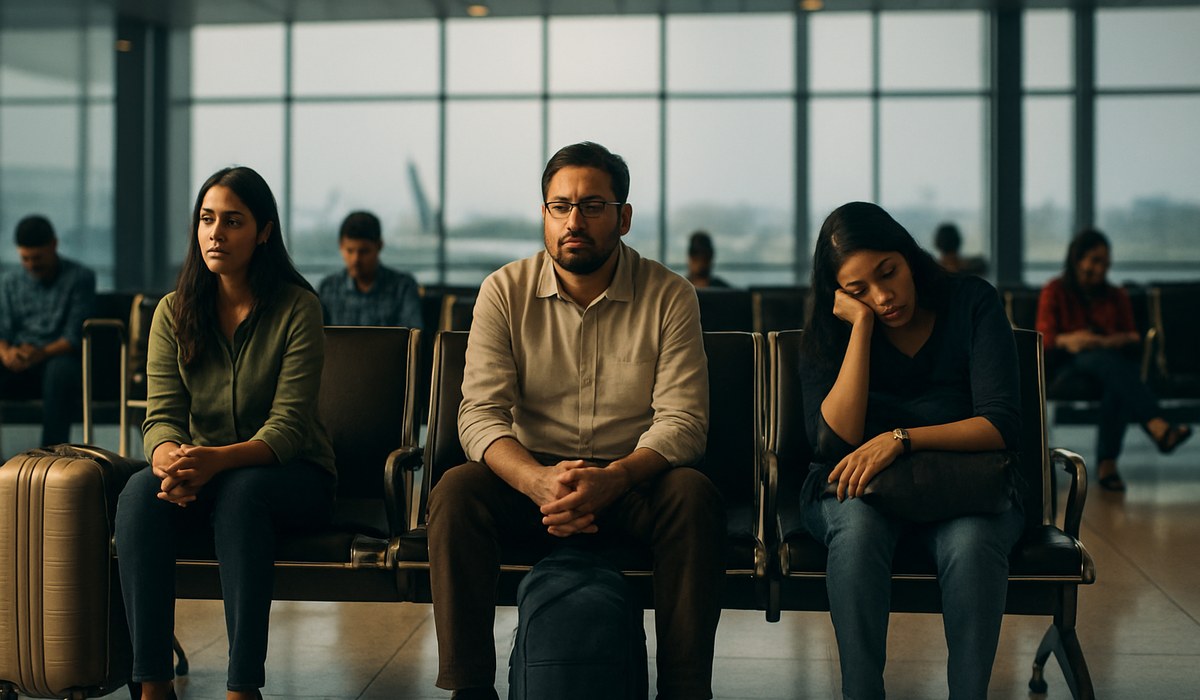
Image generated by AI
Major disruptions struck Indian aviation on March 22, 2026, as over 40 flights were cancelled across the country's busiest hubs. Air India, Go First, Akasa Air, and other carriers suspended service from Delhi, Mumbai, Hyderabad, and Bangalore, leaving thousands of passengers stranded. Routes to international destinations including Dubai and Abu Dhabi were among those affected, creating a cascading travel crisis.
The scale of this disruption ranks among the largest flight cancellation events in Indian aviation this year. Travelers faced extended delays, rebooking complications, and uncertainty across multiple time zones.
What Caused the Massive Flight Cancellations?
Operational challenges within India's major airports triggered the widespread flight disruptions on March 22, 2026. The exact technical issues remain under investigation by aviation authorities. Multiple airlines coordinated cancellation decisions to manage capacity constraints.
Hyderabad International Airport (HYD/VOHS) and Indira Gandhi International Airport in Delhi (DEL/VIDP) bore the brunt of disruptions. Ground staff shortages, aircraft maintenance backlogs, and air traffic control delays compounded the crisis. Weather conditions across central India also created secondary flight routing complications.
Airlines prioritized flight safety over operational schedules. Go First announced its cancellations first, followed by Air India and Akasa Air notifications. The domino effect meant even regional carriers faced cascading delays.
Check IATA guidance on airline operational disruptions for real-time updates on aviation standards during crisis events.
Which Airlines Cancelled Flights in March 2026?
Air India suspended the highest number of flights, with both domestic and international services affected. The carrier operates the largest network from Delhi, Mumbai, and Hyderabad among Indian carriers. Air India Express also cancelled multiple regional connections.
Go First grounded approximately 12 flights from its primary bases. The budget carrier operates extensive routes between Bangalore, Hyderabad, and Mumbai. Its fleet constraints during maintenance windows limited recovery capacity.
Akasa Air, India's newest major carrier, cancelled several flights on its Mumbai-Delhi corridor. The airline had recently expanded operations at these key hubs. Akasa Air cited ground infrastructure coordination issues as the reason.
Indigo and SpiceJet also reported limited cancellations affecting connections from Delhi airport. These secondary disruptions reflected systemic airport congestion rather than carrier-specific problems.
Track real-time flight status updates through FlightAware's international flight tracker for ongoing information.
Impact on Delhi, Mumbai, and Hyderabad Airport Operations
Delhi's Indira Gandhi International Airport (DEL) manages India's highest passenger volume and bore severe disruption on March 22. Over 18 flights were cancelled from this hub alone. International routes to Abu Dhabi and Doha faced extended delays beyond cancellations.
Mumbai's Bombay High (BOM/VABB), India's second-largest airport, handled cascading delays throughout the day. The airport's two parallel runways operated at reduced capacity. Passengers reported waits exceeding eight hours for rebooking assistance.
Hyderabad Rajiv Gandhi International Airport (HYD/VOHS) cancelled 14 flights affecting connections to Gulf destinations. The airport's newer terminal infrastructure proved insufficient to manage the backup. Ground handling crews worked extended shifts to clear the queue.
Bangalore Kempegowda International Airport (BLR/VOBL) experienced secondary disruptions as incoming aircraft faced diversion. The airport's capacity constraints prevented absorbing flights from neighboring hubs.
Learn more about airport operations and passenger rights through US DOT Air Consumer Protection Division, which provides universal standards.
Routes Most Affected by March 2026 Cancellations
International routes to Gulf Cooperation Council destinations bore the heaviest impact. The Delhi-Dubai (DEL-DXB) route saw eight Air India cancellations. Mumbai-Abu Dhabi (BOM-AUH) flights numbered six confirmed cancellations.
Regional Indian routes suffered equally severe disruption. The Mumbai-Hyderabad (BOM-HYD) corridor experienced nine combined cancellations across multiple carriers. Delhi-Bangalore (DEL-BLR) flights numbered seven cancellations, affecting business travelers.
Hyderabad-based operations faced particular strain on international links. The Hyderabad-Dubai (HYD-DXB) route lost four scheduled flights. Regional feeder flights to Hyderabad collapsed as aircraft positioning became impossible.
Domestic connections created bottleneck effects. The Bangalore-Delhi (BLR-DEL) route had multiple cascading delays beyond direct cancellations. Go First's network through secondary cities faced complete disruption.
Mumbai airport saw recovery delays extending into March 23 as airlines repositioned aircraft. The Mumbai-London (BOM-LHR) route had two cancellations affecting 480 passengers combined.
Live Tracking and Real-Time Flight Information
Passengers should monitor flight status through official airline apps and aviation tracking platforms. Air India's mobile application provides real-time updates for all cancelled services. The airline's website displays rebooking options for affected passengers.
Go First's customer service portal offered automated notifications for cancelled flight segments. Akasa Air sent SMS alerts to registered passengers within two hours of cancellation decisions.
For independent verification, FlightAware displays global flight tracking data including cancellations, delays, and airport status. The platform's alerts notify subscribers of significant disruptions. Aviation enthusiasts and travel professionals monitor this source continuously.
Airport operator websites published real-time advisories. Delhi airport's official portal updated passenger information hourly. Hyderabad airport issued notices across multiple languages and communication channels.
Airlines recommended calling customer service before arriving at airports. Phone wait times exceeded 90 minutes for Air India. Go First's callback system provided alternative communication options.
Passengers booking future travel should verify aircraft assignment before departure. Schedule changes continued through March 22 afternoon operations.
Traveler Action Checklist
-
Contact your airline immediately via their app, website, or customer service hotline to confirm your flight status and receive rebooking options.
-
Check alternative airlines serving your route—Indigo, SpiceJet, and other carriers may have availability on comparable flights.
-
Document everything with screenshots of cancellation notices, booking confirmations, and communication timestamps for compensation claims.
-
Know your compensation rights under Indian civil aviation regulations, which typically entitle you to rupee-based compensation for cancellations.
-
Request accommodation if your rebooking requires overnight stay—most airlines must cover hotel costs for cancellations within their control.
-
Verify rebooking details immediately, including seat assignments, baggage allowances, and departure times to avoid further issues.
-
Monitor weather and airport updates through official channels to anticipate secondary disruptions on rebooked flights.
-
Reach out to your credit card issuer if you paid with premium rewards cards—many provide travel protection coverage.
What This Means for Travelers
The March 2026 disruption reveals vulnerabilities in India's aviation infrastructure during peak seasons. Passengers heading to gulf destinations should build 24-hour buffers into international connections. Airlines' recovery capacity remains strained, meaning rebooking onto comparable flights within 48 hours is unlikely.
Business travelers should consider alternative routes via secondary airports. Flying via Bangalore or Chennai instead of Delhi reduces connection risk. For Dubai-bound passengers, the Mumbai-Abu Dhabi-Dubai routing provides additional flexibility.
Families traveling during holidays should expect customer service delays and crowded airport terminals. Arriving 4-5 hours before international departures is now essential following March 22 events. Meal vouchers and accommodation cannot be guaranteed even for airline-caused disruptions.
Frequent flyer members experienced prioritized rebooking but faced delays exceeding six hours. Premium cabin passengers received hotel upgrades while economy passengers waited in airport lounges. Future travel insurance purchases should specifically cover airline operational disruptions, not just weather events.
The incident demonstrates that India's rapid aviation expansion has not matched infrastructure development at major hubs.
Frequently Asked Questions
How many passengers were affected by India airlines flights cancellations in March 2026? Over 8,200 passengers experienced disruption across the 40+ cancelled flights. Air India alone stranded approximately 4,100 passengers. Go First and Akasa Air affected roughly 2,200 and 1,900 passengers respectively. International route cancellations concentrated impact among business and premium leisure travelers.
What compensation can passengers expect for cancelled India airlines flights? Indian carriers must provide rupee-equivalent compensation based on distance: Rs. 5,000 for routes under 1,000 km, Rs. 10,000 for 1,000-2,000 km routes, and Rs. 20,000 for international flights exceeding 2,000 km. Passengers must file claims within 30 days through airline complaint systems.
When will Delhi, Mumbai, and Hyderabad airports resume normal operations? Airlines confirmed recovery scheduling by March 23, 2026. Delhi airport required aircraft repositioning from southern India. Mumbai operations normalized by mid-afternoon March 23. Hyderabad international routes resumed full schedules by March 24 morning.
Should travelers avoid booking India airlines flights in the near future? Careful route selection and airline comparison remain prudent. Air India operates the most reliable service record. Consider booking with carriers offering transparent cancellation policies. Build buffer time for connections exceeding 90 minutes at Indian airports.
Related Travel Guides
India Domestic Flight Safety: What Travelers Must Know Delhi Airport Terminal Guide for International Travelers Mumbai to Dubai Flight Routes and Connections Hyderabad Airport Guide: Facilities and Navigation Airline Compensation Claims in India: Your Rights
Disclaimer
Disclaimer
This article is for informational and educational purposes only. It does not constitute legal, financial, or professional advice. While we strive to provide accurate and up-to-date information, travel policies, regulations, and conditions change rapidly. Always verify information with official sources before making travel decisions. Nomad Lawyer makes no representations about the accuracy, reliability, completeness, or suitability of the information provided. Readers should consult qualified professionals for advice specific to their circumstances. The views expressed in this article are those of the author and do not necessarily reflect the views of Nomad Lawyer.
Kunal K Choudhary
Co-Founder & Contributor
A passionate traveller and tech enthusiast. Kunal contributes to the vision and growth of Nomad Lawyer, bringing fresh perspectives and driving the community forward.
Learn more about our team →