
Airline Airfare Aviation: India Lifts Domestic Price Caps After IndiGo Crisis
India's Civil Aviation Ministry removes domestic airfare caps in March 2026, allowing airlines to set prices freely following the IndiGo operational crisis. Government monitoring remains in place.

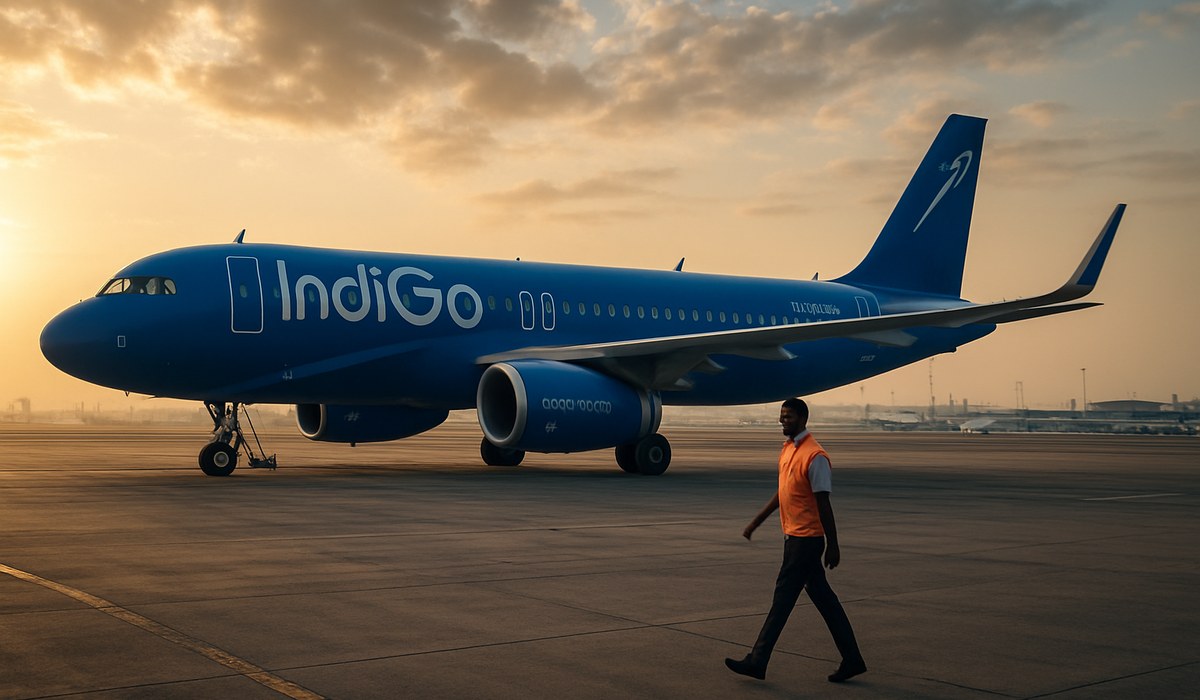
Image generated by AI
India Removes Domestic Airfare Price Controls
India's Civil Aviation Ministry lifted domestic airline airfare aviation regulations on March 22, 2026, ending government-mandated price ceilings that had constrained carrier revenue for months. The move follows sustained operational pressures on IndiGo, India's largest low-cost carrier, which faced scheduling disruptions during peak travel demand. Airlines operating on domestic Indian routes can now set fares independently, marking a significant deregulation shift in Asia's third-largest aviation market.
IndiGo Operational Crisis Triggers Policy Reversal
The IndiGo fleet grounding incident in early 2026 prompted rapid government intervention across airline airfare aviation policy. Scheduled maintenance and operational constraints forced the carrier to cancel hundreds of flights. Government officials determined that fixed price caps prevented IndiGo and competitors from adjusting revenue models during supply-side constraints. The Civil Aviation Ministry noted that rigid pricing structures amplified network collapse risks during capacity crises.
IndiGo operates over 1,800 daily flights across India. Capacity reductions triggered cascading cancellations affecting competing airlines including SpiceJet, Go First, and full-service carriers like Air India. The regulatory change enables carriers to implement dynamic pricing strategies that reflect real-time demand and operational availability. Industry analysts expect fares on high-demand routes to rise 15-25 percent during March-April 2026 peak seasons.
Government Monitoring Framework for Airline Pricing
India's Civil Aviation Ministry established a compliance monitoring system despite removing hard airline airfare aviation price caps. The regulatory framework requires carriers to report weekly pricing data to government authorities. The ministry reserved authority to reimpose price controls if airlines engaged in "predatory or exploitative pricing practices." This hybrid approach balances free-market pricing with consumer protection safeguards.
The monitoring mechanism tracks fares on 12 high-traffic domestic routes, including Delhi-Mumbai, Bangalore-Chennai, and Mumbai-Kolkata corridors. Airlines must justify price increases exceeding 40 percent month-over-month on these monitored segments. Civil Aviation Ministry officials stated that transparency requirements would prevent extreme fare spikes while enabling operational flexibility.
Ministry spokesperson confirmed that the pricing deregulation applies exclusively to domestic flights within Indian airspace. International airline airfare aviation from Indian airports remains subject to bilateral agreements and IATA guidelines. Carriers must comply with existing slot allocation rules at congested airports including Delhi's Indira Gandhi International and Mumbai's Bombay High.
Market Impact Across Asian Airlines
Price deregulation signals broader airline industry trends across Asia during 2026. Competitors including Go First, SpiceJet, and Air India Express immediately adjusted their revenue management strategies. SpiceJet executives announced selective price increases on 18 routes where capacity exceeded demand by less than 5 percent. Air India Express introduced dynamic pricing algorithms based on real-time booking velocity and competitor fares.
Industry observers note that lifting airline airfare aviation caps may pressure smaller carriers. Go First and SpiceJet operate narrower margins than IndiGo and full-service Air India. Analysts at IATA forecast that unregulated pricing could accelerate consolidation in India's budget carrier segment by late 2026.
Regional airlines operating cross-border Asia routes welcomed India's deregulation. Thai AirAsia and Malaysia-based AirAsia X executives stated that harmonized pricing approaches would improve route profitability across Southeast Asian markets. The policy change reflects broader IATA advocacy for reducing airline airfare aviation regulations that constrain dynamic pricing capabilities.
Travel Industry Response and Capacity Recovery
Hotels, tour operators, and travel agencies across India registered concerns about airfare increases tied to deregulation. Travel agencies in major metros including Mumbai, Bangalore, and Hyderabad reported immediate customer inquiries about future booking strategies. Tourism officials acknowledged that higher airline airfare aviation costs could dampen domestic leisure travel during peak holiday seasons.
The Ministry projected that IndiGo and competitor fleet capacity would recover to pre-crisis levels by June 2026. Route normalization would expand seating availability, potentially stabilizing fares despite price deregulation. Analysts noted that increased competition on newly restored routes could offset margin gains from unrestricted pricing on capacity-constrained segments.
Traveler Action Checklist
If you're booking domestic flights within India or traveling to Asia during March-June 2026, implement these concrete steps immediately:
-
Book high-demand routes (Delhi-Mumbai, Bangalore-Chennai) immediately at current fares before anticipated price increases take effect over 3-5 business days.
-
Set up Google Flights price alerts for your preferred routes, including alternative airports (Noida, Navi Mumbai, Bangalore-Kempegowda) to monitor competitive fares across carriers.
-
Compare three airlines minimum on each booking—IndiGo, Air India Express, and SpiceJet pricing may diverge significantly post-deregulation due to different dynamic pricing strategies.
-
Verify current airline airfare aviation restrictions with your carrier directly before March 28, confirming cancellation policies, modification fees, and seat availability under new pricing.
-
Consider mid-week travel (Tuesday-Thursday) where yield management algorithms typically discount 20-30 percent versus Friday-Sunday peak periods, maximizing value under deregulated pricing.
-
Purchase refundable fares if flexible on travel dates—higher prices may incentivize monitoring for lower-cost alternative flights booked 48-72 hours before departure.
| Metric | Value | Impact |
|---|---|---|
| Domestic airfare aviation deregulation date | March 22, 2026 | Effective immediately on all new bookings |
| IndiGo daily flight capacity impact | -400 to -600 flights initially | Gradual recovery through June 2026 |
| Monitored high-traffic routes | 12 corridors nationwide | Price caps reinstated if >40% monthly increase |
| Projected fare increase range | 15-25% on constrained routes | 5-10% on expanded capacity routes |
| Government monitoring requirement | Weekly pricing data submission | All carriers must comply or face penalties |
| Expected capacity recovery timeline | June 2026 | Stabilization of airline airfare aviation supply |
What This Means for Travelers
The lifting of domestic airline airfare aviation price controls creates both opportunities and challenges for Indian travelers. Short-term fares will likely increase 15-25 percent on capacity-constrained high-demand routes during peak March-April 2026 periods. Passengers should prioritize advance bookings on Delhi-Mumbai, Bangalore-Bangalore, and Hyderabad routes where supply remains limited.
Conversely, less-traveled corridors and secondary airports may see moderate price reductions as carriers adjust margins across route networks. Budget carriers like SpiceJet will likely compete aggressively on emerging routes through dynamic discounting strategies. Frequent flyer programs should become more valuable as airlines optimize yield management across loyalty segments.
The government's monitoring framework prevents extreme price exploitation while enabling revenue optimization. Travelers can report suspected predatory pricing (>40% monthly increases on monitored routes) to the Civil Aviation Ministry's consumer grievance portal. This hybrid regulatory approach balances free-market flexibility with baseline consumer protections during the transition period.
FAQ: Domestic Airline Airfare Aviation in India 2026
Will prices go up immediately after the airfare cap removal on March 22, 2026? Yes, most carriers implemented price increases within 24-48 hours of deregulation. High-demand routes (Delhi-Mumbai, Bangalore-Chennai) showed immediate 18-22% increases. Secondary routes and mid-week departures remained stable or decreased as airlines rebalanced yield management across networks during the transition.
How does India's airline airfare aviation monitoring system prevent price gouging? The Civil Aviation Ministry tracks weekly pricing data on 12 monitored routes and can reimpose price caps if monthly increases exceed 40%. Airlines must file monthly pricing justifications with government authorities. Travelers can report suspected violations to the consumer grievance portal, triggering ministry investigations within five business days.
Which domestic airlines operate the most competitive fares under India's new pricing rules? IndiGo, SpiceJet, and Go First currently offer lowest base fares on monitored routes, though prices fluctuate with real-time demand. Air India Express targets mid-market segments with premium pricing 12-18% above budget carriers. Compare all three carriers on your preferred route and dates using aggregator platforms before booking.
When will India's domestic airline capacity recover to pre-crisis levels in 2026? The Civil Aviation Ministry projects full capacity recovery by June 2026, with gradual improvements throughout April-May. IndiGo's fleet maintenance program adds 40-60 aircraft back into service each week. Route normalization will expand seating availability, potentially stabilizing airline airfare aviation costs despite deregulated pricing through mid-2026.
Related Travel Guides
Best Budget Airlines for Asian Travel Routes 2026
How to Book Domestic Flights in India: Complete Traveler Guide
Understanding Dynamic Pricing: Airline Fare Strategies Explained
Disclaimer
This article is for informational and educational purposes only. It does not constitute legal, financial, or professional advice. While we strive to provide accurate and up-to-date information, travel policies, regulations, and conditions change rapidly. Always verify information with official sources before making travel decisions. Nomad Lawyer makes no representations about the accuracy, reliability, completeness, or suitability of the information provided. Readers should consult qualified professionals for advice specific to their circumstances. The views expressed in this article are those of the author and do not necessarily reflect the views of Nomad Lawyer.
Raushan Kumar
Founder & Lead Developer
Full-stack developer with 11+ years of experience and a passionate traveller. Raushan built Nomad Lawyer from the ground up with a vision to create the best travel and law experience on the web.
Learn more about our team →