
HSMAI Mike Leven Conference 2026: Cruise Industry Reshapes Hotel Leadership
HSMAI Mike Leven Leadership Conference in Los Angeles pivots to cruise strategy in April 2026, as ocean travel models reshape hospitality awards and growth tactics.

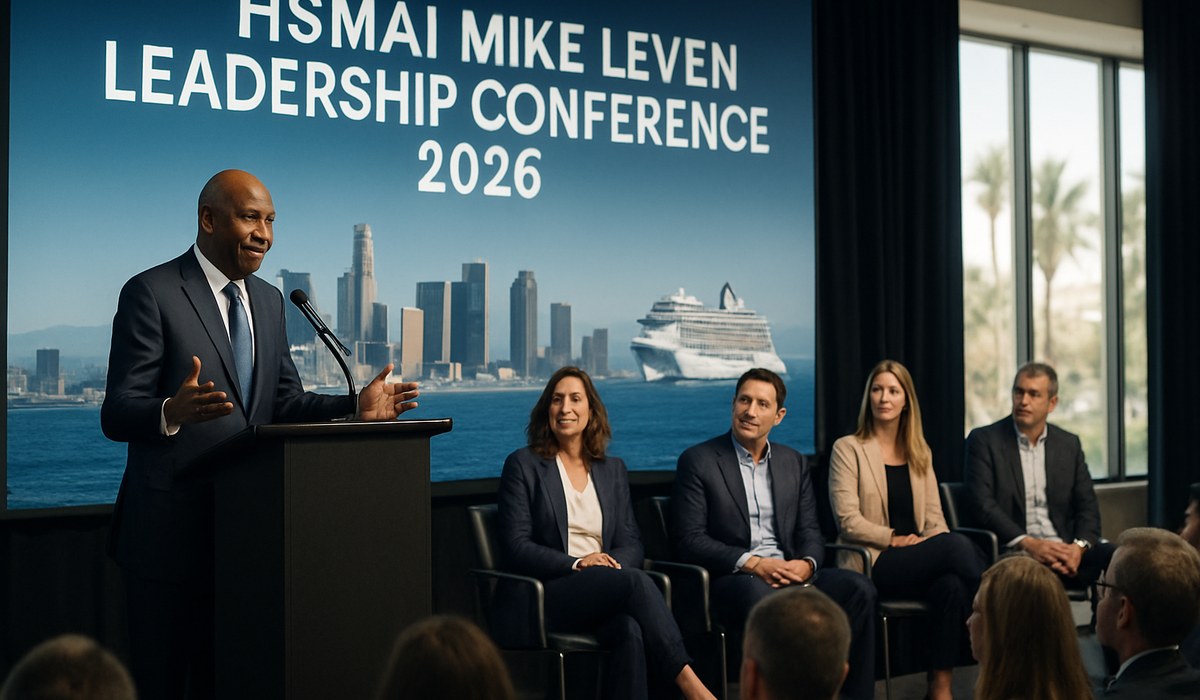
Image generated by AI
When hospitality's most influential executives gather in Los Angeles this April, the real surprise won't be on land—it's what's happening at sea that's rewriting the industry playbook. Ocean liners are no longer just floating hotels. They've become laboratories for pricing innovation, guest experience design, and operational efficiency that land-based properties are racing to decode.
The HSMAI Mike Leven Leadership Conference, scheduled for April 2026 in Los Angeles, marks a watershed moment. For the first time in its multi-decade history, the agenda dedicates substantial programming to cruise industry integration. Hotel executives, revenue managers, and brand strategists will dissect how cruise lines achieve 98% occupancy during shoulder seasons while maintaining premium pricing—metrics that elude most convention hotels.
This pivot reflects seismic shifts in traveler expectations. Passengers who spend a week on Norwegian's Prima class ships or Royal Caribbean's Icon vessels now expect similar all-inclusive transparency, experiential density, and digital-first service when they book a Marriott in Marina del Rey. The conference responds to an urgent question: Can traditional hospitality adopt cruise operational models without losing its identity?
Quick Summary • HSMAI's April 2026 Los Angeles conference integrates cruise industry strategy sessions for the first time in its history • Hotel executives will study cruise operational models achieving 98% occupancy with premium pricing during off-peak periods • Awards criteria now evaluate cross-sector innovation, reflecting how ocean travel influences land-based hospitality standards • Conference programming connects redefining trip value beyond price with cruise-pioneered experiential metrics
Why Hospitality's Top Leaders Are Suddenly Talking About Cruise Strategy
The HSMAI Mike Leven Conference shift toward maritime hospitality didn't emerge in isolation. According to projections from the Cruise Lines International Association, North American cruise passengers will reach 18.2 million in 2026, a 14% increase over 2025. That growth translates to billions in hospitality spending—money that flows through coastal hotels, airport properties, and pre- and post-cruise packages.
Executives attending the Los Angeles conference recognize that cruise lines have cracked codes that perplex hotel operators. Dynamic pricing algorithms adjust cabin rates 40 times daily based on demand signals, weather patterns, and competitor positioning. Onboard revenue per guest averages $68 per day from excursions, dining, and experiences—ancillary income streams that most hotels struggle to monetize beyond minibar sales and parking fees.
Leadership sessions will examine how Carnival Corporation's proprietary yield management systems balance occupancy with profitability across 92 ships simultaneously. That capability matters because conference attendees oversee portfolios of 50 to 300 properties facing identical challenges. If a cruise line can optimize revenue across a floating city holding 6,000 guests, what lessons apply to a hotel managing 400 rooms during convention season?
The conference's awards program reflects this integration. New categories evaluate innovations in experiential bundling, digital guest journey mapping, and sustainability metrics that cruise lines pioneered. Judges include executives from both sectors, acknowledging that hospitality leadership no longer respects the arbitrary division between land and sea.
The Awards That Signal Where Hotel Innovation Is Really Headed
The HSMAI Adrian Awards, presented annually at the Mike Leven Conference, now recognize marketing campaigns that blur traditional boundaries. This year's finalists include a Hyatt property that adopted cruise-style pre-arrival planning apps, allowing guests to reserve spa appointments, book restaurant tables, and schedule airport transfers 90 days before check-in. The result: a 27% increase in ancillary revenue per occupied room.
Another finalist reimagined the hotel loyalty program using cruise industry tactics. Instead of rewarding nights stayed, the program awards points for experiences completed—cooking classes, guided hikes, cultural workshops. The shift increased member engagement by 41% and drove higher spending per stay, mirroring how cruise lines monetize onboard activities.
Conference organizers report that awards submissions increasingly reference global cruise industry trends as inspiration sources. One Hilton property in San Diego studied how cruise embarkation processes move 3,000 guests from curbside to cabin in under two hours. They redesigned their convention check-in, reducing wait times from 22 minutes to six while improving guest satisfaction scores by 18 points.
The awards also spotlight sustainability initiatives where cruise lines lead. MSC Cruises' closed-loop waste management system, which processes 100% of shipboard waste without port discharge, inspired a Las Vegas resort to achieve zero-landfill status across 3,200 rooms. That innovation earned recognition in the environmental leadership category, demonstrating how maritime solutions scale to land-based mega-resorts.
Beyond individual awards, the conference features case study presentations from hoteliers who embedded cruise executives in their strategy teams. One major brand hired a former Celebrity Cruises vice president to overhaul its food and beverage operations. Within 18 months, restaurant profit margins improved 9% by adopting cruise galley efficiency standards and ingredient sourcing strategies designed for ocean supply chains.
How Ocean-Based Business Models Are Reshaping Land Properties
The Mike Leven Conference programming dedicates six sessions to deconstructing cruise operational frameworks. One workshop examines all-inclusive pricing models that Norwegian Cruise Line and Virgin Voyages pioneered. These packages bundle accommodation, dining, entertainment, and select beverages into a single upfront cost—eliminating sticker shock and decision fatigue that plague hotel guests facing $18 resort fees and $45 breakfast buffets.
Early adopters report surprising results. A boutique hotel group in Southern California tested all-inclusive weekend packages at 15% above standard rates. Occupancy during the test period increased 22%, and guest satisfaction scores rose 31 points. The model reduced front desk transaction volume by 60%, allowing staff reallocation to guest experience roles that generate positive reviews.
Conference sessions also explore how cruise lines master space utilization. A typical cruise ship generates $185 in revenue per square foot annually—nearly triple the $67 average for upscale hotels. Attendees will study how ships convert corridors into revenue centers through art galleries and photo studios, tactics that translate to hotel hallways, lobbies, and underutilized meeting spaces.
The connection to business travel emerges clearly. Just as corporate travelers increasingly prioritize redefining trip value beyond price, cruise passengers select voyages based on experiential density rather than cabin size. Conference workshops teach hoteliers to measure value through activities offered, cultural authenticity, and transformative potential—not thread count or square footage.
Port city competition offers another learning opportunity. Singapore and Hong Kong vie for cruise homeport status using strategies that mirror how Hong Kong vs Singapore hospitality competition unfolds in the hotel sector. Both destinations invest in seamless transportation, pre- and post-cruise hotel packages, and cultural programming that extends the travel experience beyond the ship. Conference attendees study these ecosystem approaches to understand how hotels can anchor larger destination strategies.
What the 2026 Conference Agenda Reveals About Industry Priorities
The HSMAI Mike Leven Conference agenda positions Los Angeles as the ideal venue for hospitality-maritime convergence. The city serves as homeport for Carnival, Princess, and Disney cruise lines, with 850,000 passengers embarking annually from San Pedro and Long Beach terminals. That proximity allows conference attendees to tour ships during docked days, observing operational workflows firsthand.
Pre-conference workshops scheduled for April 14-15 include site visits to the newly expanded World Cruise Center, where participants observe how terminal operators manage luggage for 4,000 passengers in 90 minutes. That logistics mastery applies directly to hotels handling convention groups, airport shuttles, and tour departures. One session pairs cruise terminal directors with hotel operations managers to identify transferable best practices.
The main conference runs April 16-18, with keynotes from executives who've led both cruise lines and hotel brands. Former Ritz-Carlton president and current Celebrity Cruises advisor Lisa Holladay delivers the opening address, exploring how luxury standards differ between stationary and sailing properties. Her insights address whether cruise-style personalization—remembering guest preferences across multiple voyages—can scale to hotel brands with millions of annual guests.
Breakout sessions cover revenue management systems that adjust pricing based on real-time demand signals, a capability cruise lines mastered years before hotels. Attendees learn how Princess Cruises modifies cabin rates for future sailings based on onboard spending patterns of current passengers. If guests on Alaska cruises spend heavily on excursions, the system adjusts future Alaska itinerary pricing upward, anticipating similar high-value travelers.
The conference also addresses mega-event hospitality, connecting cruise strategies to land-based opportunities. A dedicated session examines how World Cup 2026 hospitality packages borrow from cruise playbooks—bundling transportation, accommodation, tickets, and experiences into premium packages sold 18 months in advance. That pre-sale model generates cash flow and locks in committed travelers before competitors can react.
Evening networking events take place at Los Angeles properties testing cruise-inspired concepts. One hotel converted its rooftop into a "lido deck" featuring casual dining, live entertainment, and sunset programming modeled after ship top-deck experiences. Conference participants evaluate whether these adaptations feel authentic or gimmicky, providing real-time feedback to innovators.
FAQ: HSMAI Leadership Conference and the Cruise-Hotel Convergence
What makes the 2026 HSMAI Mike Leven Conference different from previous years?
This year's conference integrates cruise industry strategy sessions for the first time, reflecting how ocean travel models influence hotel operations, pricing, and guest experience design. Attendees include cruise line executives alongside traditional hotel leadership, creating cross-sector dialogue that didn't exist in earlier conferences.
Why are hotel executives suddenly interested in cruise industry tactics?
Cruise lines achieve occupancy and revenue metrics that elude most hotels—98% occupancy during shoulder seasons, $68 daily ancillary revenue per guest, and pricing algorithms that adjust 40 times daily. As travelers increasingly expect seamless, all-inclusive experiences, hotels must adopt proven cruise strategies or risk losing market share to more adaptive competitors.
How do cruise operational models actually apply to land-based hotels?
Specific applications include all-inclusive pricing that eliminates surprise fees, pre-arrival planning apps that drive ancillary bookings, galley-inspired food service efficiency that improves restaurant margins, and space utilization tactics that convert underused areas into revenue centers. Several conference sessions provide implementation roadmaps for adapting these models.
What role do the HSMAI Adrian Awards play in this convergence?
The awards now include categories evaluating cross-sector innovation, recognizing hotels that successfully adapt cruise tactics and cruise lines that adopt hotel best practices. This year's finalists feature properties that increased ancillary revenue 27% through cruise-style pre-booking systems and brands that achieved zero-landfill status using maritime waste management models.
Can attendees who don't work for cruise lines or coastal hotels benefit from the conference?
Absolutely. The strategies discussed—dynamic pricing optimization, experiential value creation, operational efficiency, and guest journey mapping—apply to any hospitality property regardless of location or proximity to water. Urban hotels, airport properties, and resort destinations all face challenges that cruise lines have successfully navigated, making the lessons universally relevant.
Related Articles:
Disclaimer
This article is for informational and educational purposes only. It does not constitute legal, financial, or professional advice. While we strive to provide accurate and up-to-date information, travel policies, regulations, and conditions change rapidly. Always verify information with official sources before making travel decisions. Nomad Lawyer makes no representations about the accuracy, reliability, completeness, or suitability of the information provided. Readers should consult qualified professionals for advice specific to their circumstances. The views expressed in this article are those of the author and do not necessarily reflect the views of Nomad Lawyer.
Raushan Kumar
Founder & Lead Developer
Full-stack developer with 11+ years of experience and a passionate traveller. Raushan built Nomad Lawyer from the ground up with a vision to create the best travel and law experience on the web.
Learn more about our team →