
Emirates A380 First Class Shower: The Hidden Fuel Cost of In-Flight Luxury
Breaking airline news and aviation industry updates for 2026.

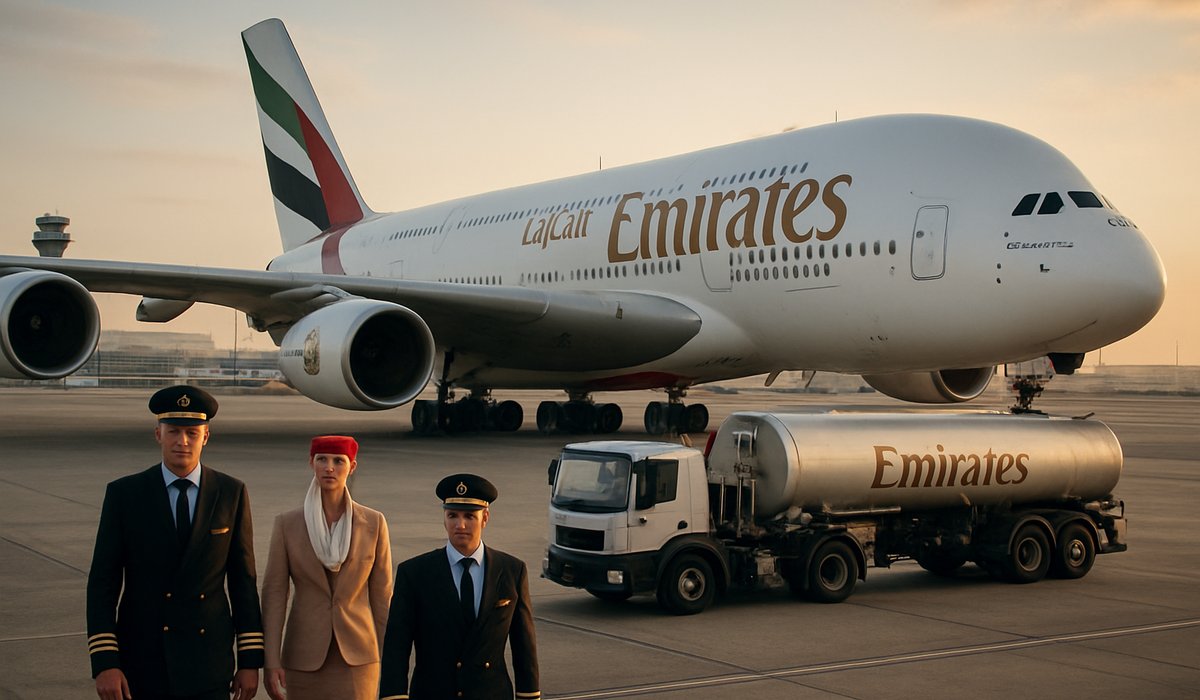
Image generated by AI
Emirates A380 First Class Shower: The Hidden Fuel Cost of In-Flight Luxury
As airlines grapple with soaring jet fuel prices, we examine the environmental and operational economics behind one of aviation's most extravagant amenities
The Weight of Indulgence
Emirates' flagship Airbus A380 has become synonymous with aviation excess—and nowhere is that more apparent than in its First Class shower spa. The feature represents a remarkable engineering achievement: a fully functional bathing facility equipped with heated marble floors, premium toiletries, ambient lighting, and enough space for passengers to shower mid-flight while cruising at speeds exceeding 500 knots at altitudes surpassing 40,000 feet.
But this icon of luxury carries a substantial hidden cost. Every drop of water stored aboard the double-decker aircraft requires fuel to transport, a calculation that grows increasingly significant as global jet fuel prices remain volatile due to geopolitical tensions and supply chain disruptions.
Calculating the Fuel Penalty
The A380 shower system demands substantial fresh water reserves—estimates suggest hundreds of liters dedicated to this single amenity across the aircraft's multiple First Class suites. In aviation economics, weight directly translates to fuel consumption. Industry analysts estimate that every additional kilogram carried aloft increases fuel burn by approximately 0.75 kilograms per flight hour, depending on route distance and atmospheric conditions.
For long-haul Emirates flights spanning 15+ hours, the cumulative fuel expenditure dedicated to shower operations could exceed several hundred dollars per flight, particularly when accounting for current jet fuel prices hovering between $80-$120 per barrel—substantially higher than pre-pandemic averages.
The Broader Aviation Paradox
This scenario highlights a fundamental tension within the premium aviation sector. While carriers like Emirates differentiate themselves through ultra-luxury amenities that justify premium pricing, the aviation industry simultaneously faces mounting pressure to reduce fuel consumption and carbon emissions. Modern aircraft efficiency improvements are being partially offset by the weight of increasingly elaborate onboard systems.
The shower exemplifies why airline fees and baggage charges have proliferated across the industry: carriers must offset rising operational costs, including volatile fuel expenses. Even marginally heavier aircraft require proportionally higher fuel budgets, influencing everything from ticket pricing to ancillary revenue strategies.
Industry Implications
As sustainability concerns intensify and fuel price volatility continues, premium carriers face difficult decisions about maintaining elaborate amenities versus optimizing operational efficiency. The Emirates A380 shower remains a masterpiece of aviation engineering—but it also represents the tangible cost of luxury in an era of expensive jet fuel and environmental accountability.
FAQ: Aviation Fuel Costs and Luxury Amenities
How much extra fuel does an aircraft burn carrying additional weight? Aircraft fuel consumption increases approximately 0.75 kilograms of fuel per kilogram of additional weight on long-haul flights, though this ratio varies by aircraft type and flight duration.
What is the current price of jet fuel, and how does it affect airline fees? Jet fuel (Jet A-1) currently trades between $80-$120 per barrel. Rising fuel costs directly correlate with increased baggage charges, fuel surcharges, and premium seat pricing across the aviation industry.
Do luxury amenities like the A380 shower significantly impact fuel consumption? While individual amenities show marginal effects, cumulative weight from shower systems, premium furnishings, and additional water reserves can add hundreds of dollars in fuel costs per flight on ultra-long-haul routes.
Why haven't airlines removed luxury features to reduce fuel costs? Premium cabin amenities differentiate airlines in competitive markets and justify substantially higher ticket prices—the revenue premium typically exceeds the additional fuel expenditure.
How are airlines addressing fuel efficiency while maintaining luxury? Carriers are investing in next-generation aircraft with advanced engines, lightweight composite materials, and optimized aerodynamics to maintain amenities while improving overall fuel efficiency.
Related Travel Guides
External Resources
Disclaimer
This article is for informational and educational purposes only. It does not constitute legal, financial, or professional advice. While we strive to provide accurate and up-to-date information, travel policies, regulations, and conditions change rapidly. Always verify information with official sources before making travel decisions. Nomad Lawyer makes no representations about the accuracy, reliability, completeness, or suitability of the information provided. Readers should consult qualified professionals for advice specific to their circumstances. The views expressed in this article are those of the author and do not necessarily reflect the views of Nomad Lawyer.
Raushan Kumar
Founder & Lead Developer
Full-stack developer with 11+ years of experience and a passionate traveller. Raushan built Nomad Lawyer from the ground up with a vision to create the best travel and law experience on the web.
Learn more about our team →