
Pilot Pay Soars on Ultra-Long-Haul Routes: What the World's Most Grueling Flights Pay in 2026
Breaking airline news and aviation industry updates for 2026.

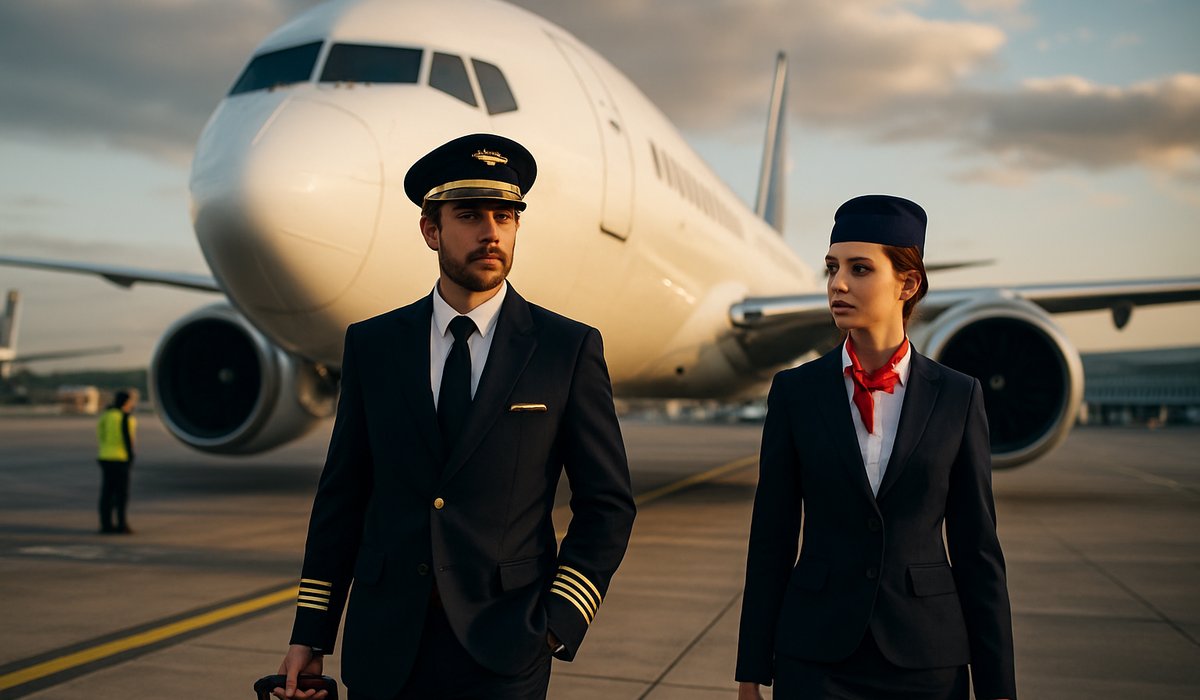
Image generated by AI
Pilot Pay Soars on Ultra-Long-Haul Routes: What the World's Most Grueling Flights Pay in 2026
Record compensation packages emerge as airlines compete fiercely for experienced crew on extended intercontinental services
The Ultra-Long-Haul Premium Takes Flight
The aviation industry is witnessing an unprecedented surge in pilot compensation, particularly among senior commanders operating the world's most demanding ultra-long-haul routes. Singapore Airlines' flagship SQ22 service—a grueling 9,537-mile journey from Singapore Changi to New York consuming nearly 19 hours of flight time—exemplifies the premium wages now commanding pilot talent across the global aviation sector.
The shift reflects a fundamental restructuring of crew compensation frameworks at major international carriers, where experienced captains are securing financial packages that increasingly rival C-suite executive compensation. This development underscores the critical value airlines place on retaining skilled aviators capable of managing extended intercontinental operations that push both aircraft and human physiology to their operational limits.
Operational Demands Drive Higher Wages
Ultra-long-haul flights—defined as scheduled commercial services exceeding 16 hours—present extraordinary professional and physical challenges. Pilots operating these routes must navigate extended periods of fatigue management, maintain peak cognitive performance across nearly a full day of continuous operations, and coordinate complex crew rotation protocols with international regulatory frameworks.
Airlines have recognized that securing and retaining qualified captains for these routes requires compensation structures reflecting the operational complexity and personal sacrifice involved. The competitive recruitment landscape among major global legacy carriers has accelerated this trend, with operators bidding aggressively for experienced flight crews.
Industry Implications and Talent Competition
The current compensation environment reflects broader pressures reshaping aviation employment dynamics. As demand for international travel recovery strengthens post-pandemic, carriers operating premium ultra-long-haul networks are investing significantly in crew resources to maintain schedule reliability and service standards.
This compensation escalation carries implications for airline operational costs and, potentially, ticket pricing strategies. However, industry observers note that pilot wages represent a modest percentage of overall flight operations expenses, meaning direct consumer impact may be limited compared to other cost pressures such as jet fuel volatility and airport fees.
The trend also signals confidence among major carriers in sustained demand for intercontinental travel, justifying substantial workforce investment in premium long-range operations.
FAQs: Ultra-Long-Haul Pilot Compensation
What defines an ultra-long-haul commercial flight? Any scheduled passenger flight exceeding 16 hours of flight time qualifies as ultra-long-haul, typically operating across continental distances that require dual-crew rotation and advanced fatigue management protocols.
How much do captains earn on extended intercontinental routes? While specific figures vary by carrier and seniority level, senior commanders at major international airlines increasingly command six-figure compensation packages reflecting operational demands and market competition.
Why are airlines raising pilot wages significantly in 2026? Major carriers are competing fiercely to retain experienced crews capable of managing complex ultra-long-haul operations, driving compensation increases across legacy airline networks.
Does pilot wage growth affect airline ticket prices? Pilot compensation represents a manageable percentage of total operational costs, so direct ticket price impacts remain modest compared to fuel surcharges and airport facility fees.
Which routes command the highest pilot compensation? Premium intercontinental services like Singapore-to-New York routes generate the highest compensation structures due to operational complexity, flight duration, and crew fatigue management requirements.
Related Travel Guides
External Resources
Disclaimer
This article is for informational and educational purposes only. It does not constitute legal, financial, or professional advice. While we strive to provide accurate and up-to-date information, travel policies, regulations, and conditions change rapidly. Always verify information with official sources before making travel decisions. Nomad Lawyer makes no representations about the accuracy, reliability, completeness, or suitability of the information provided. Readers should consult qualified professionals for advice specific to their circumstances. The views expressed in this article are those of the author and do not necessarily reflect the views of Nomad Lawyer.
Kunal K Choudhary
Co-Founder & Contributor
A passionate traveller and tech enthusiast. Kunal contributes to the vision and growth of Nomad Lawyer, bringing fresh perspectives and driving the community forward.
Learn more about our team →