
Airbus A380 vs A320: Which Aircraft Delivers Superior Fuel Efficiency Per Passenger?
Breaking airline news and aviation industry updates for 2026.

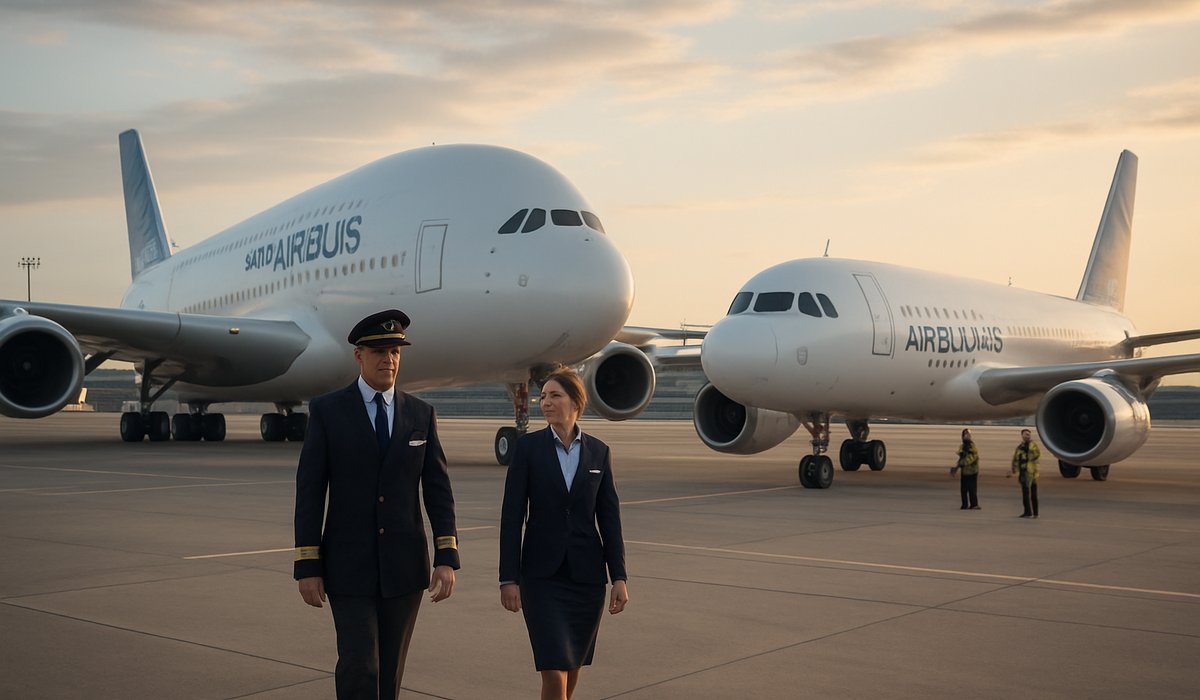
Image generated by AI
Airbus A380 vs A320: Which Aircraft Delivers Superior Fuel Efficiency Per Passenger?
New analysis reveals surprising efficiency metrics as airlines grapple with volatile jet fuel costs and sustainability pressures
The Raw Numbers: A Tale of Two Giants
The Airbus A380, aviation's most iconic wide-body aircraft, consumes approximately 4,600 gallons of jet fuel per hour of flight. Its smaller cousin, the Airbus A320—the world's most widely deployed commercial airliner—burns roughly 750 gallons hourly. At first glance, the A380's appetite appears six times larger, a figure that reflects the vast operational difference between a 575-tonne, four-engine double-deck behemoth and a lean 78-tonne, twin-engine narrowbody design.
However, this surface-level comparison obscures a more nuanced reality that has become increasingly critical as airlines navigate soaring fuel prices and intensifying environmental regulations.
Where Passenger Efficiency Changes Everything
The aviation industry's focus on per-passenger fuel consumption reveals a starkly different picture. The A380's enormous seating capacity—typically configured for 555 passengers across two full decks—means that its astronomical fuel burn is distributed across significantly more travelers than an A320, which carries approximately 180-190 passengers in standard configuration.
When normalized by passenger count, the A380 emerges as the more fuel-efficient option, achieving superior miles-per-gallon-per-person metrics on long-haul routes where it operates most effectively. This efficiency advantage becomes the decisive factor for carriers operating between major international hubs where high passenger volumes justify the aircraft's deployment.
Industry Implications Amid Rising Operational Costs
The comparison carries outsized relevance as global aviation faces mounting pressure from multiple directions. Volatile jet fuel prices—currently influenced by geopolitical tensions, refinery constraints, and energy market volatility—have prompted airlines to scrutinize fleet utilization with unprecedented intensity. Baggage charges, ancillary fees, and dynamic pricing models now serve as critical revenue levers for carriers seeking to offset fuel surcharges and maintain margins.
For operators like Emirates, Singapore Airlines, and Lufthansa—major A380 operators—the wide-body's passenger-per-gallon advantage justifies continued investment in the aircraft despite higher absolute fuel consumption. Conversely, the A320's lower operational threshold makes it ideal for regional and point-to-point markets where load factors fluctuate seasonally.
Looking Ahead
As airlines accelerate fleet modernization toward more efficient narrowbody aircraft and emerging electric-hybrid technologies, the traditional wide-body versus narrowbody calculus continues evolving. Fuel efficiency per passenger—not raw consumption—now serves as the baseline metric for fleet decisions, route planning, and long-term sustainability commitments across the aviation industry.
Frequently Asked Questions
How many gallons of fuel does an Airbus A380 burn per hour? The A380 consumes approximately 4,600 gallons (17,400 liters) of jet fuel hourly during cruise operations, among the highest figures in commercial aviation.
What is the fuel consumption difference between A380 and A320? The A380 burns roughly six times more fuel per hour than the A320 (4,600 vs. 750 gallons), reflecting their vast size and engine configuration differences.
Which aircraft is more fuel-efficient per passenger: A380 or A320? The A380 delivers superior fuel efficiency when measured per passenger due to its 555-seat capacity versus the A320's 180-190 seats, making it the more economical choice for high-capacity long-haul routes.
How do jet fuel prices impact airline ticket costs and baggage fees? Rising jet fuel prices force airlines to increase ticket prices, fuel surcharges, and ancillary fees like baggage charges to maintain operational profitability and hedge against volatile energy markets.
Why do airlines still operate A380s if they consume so much fuel? The A380's exceptional passenger capacity makes it economically viable on ultra-high-density international routes where per-passenger fuel costs remain competitive despite massive absolute fuel consumption.
Related Travel Guides
-
Fuel Security Plan: Australia's $10B Shield for Aviation and Tourism
-
US Military Pilot Salaries in 2026: How Defense Compensation Compares to Commercial Aviation
External Resources
Disclaimer
This article is for informational and educational purposes only. It does not constitute legal, financial, or professional advice. While we strive to provide accurate and up-to-date information, travel policies, regulations, and conditions change rapidly. Always verify information with official sources before making travel decisions. Nomad Lawyer makes no representations about the accuracy, reliability, completeness, or suitability of the information provided. Readers should consult qualified professionals for advice specific to their circumstances. The views expressed in this article are those of the author and do not necessarily reflect the views of Nomad Lawyer.
Raushan Kumar
Founder & Lead Developer
Full-stack developer with 11+ years of experience and a passionate traveller. Raushan built Nomad Lawyer from the ground up with a vision to create the best travel and law experience on the web.
Learn more about our team →