
Qantas to Launch World's Longest Nonstop Flights With Airbus A350-1000ULR Aircraft
Breaking airline news and aviation industry updates for 2026.

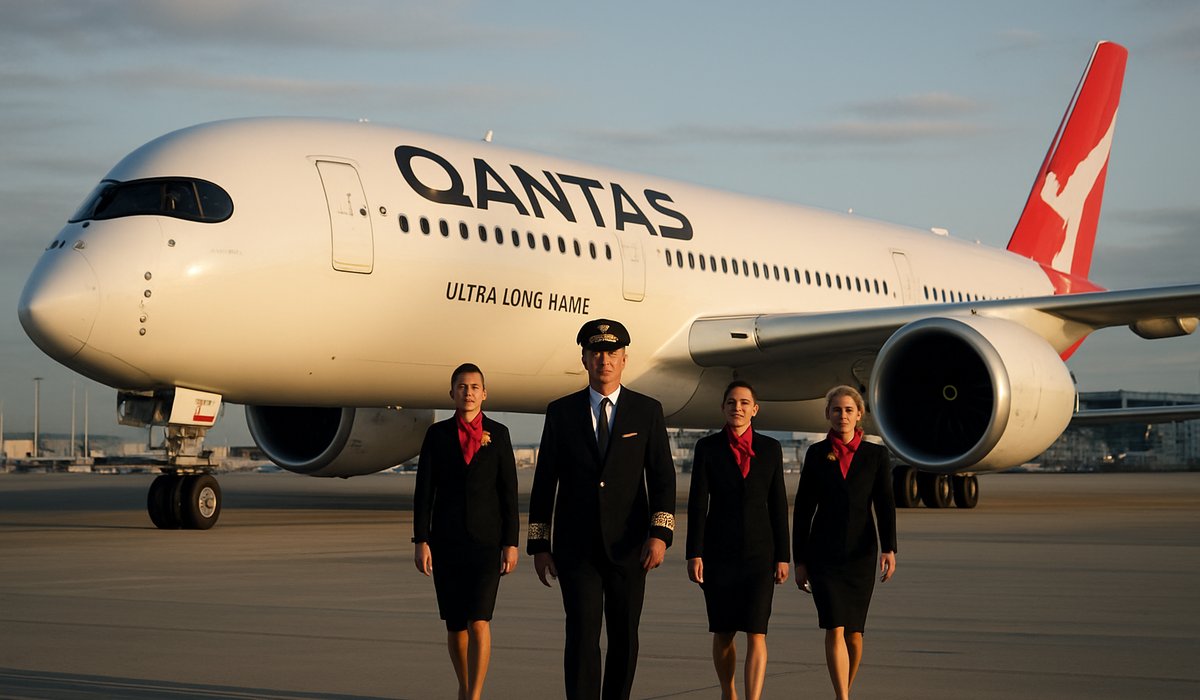
Image generated by AI
Qantas to Launch World's Longest Nonstop Flights With Airbus A350-1000ULR Aircraft
Australian carrier's ultra-long-haul ambitions reshape global aviation routes and passenger expectations
Breaking Through the Distance Barrier
Qantas is poised to revolutionize intercontinental travel by introducing the world's longest nonstop flight operations, leveraging the advanced engineering of Airbus's A350-1000ULR aircraft. The initiative marks a watershed moment in aviation history, transcending what the industry has pursued for decades—the ability to connect distant continents without refueling stops.
The deployment of these ultra-long-range aircraft represents far more than a competitive marketing maneuver. It signals a fundamental shift in how global carriers approach route planning, operational efficiency, and passenger connectivity in an era where jet fuel prices and operational costs continue to shape airline strategies worldwide.
The A350-1000ULR Advantage
The Airbus A350-1000ULR—the "ULR" designation standing for Ultra-Long-Range—has been engineered specifically to push the boundaries of sustained flight operations. The aircraft's exceptional range capabilities enable Qantas to operate routes previously considered commercially unviable, reducing journey times and eliminating intermediate stops that have traditionally added hours to passenger travel.
This technological leap comes as the aviation industry continues to grapple with rising operational expenses, including volatile jet fuel prices and mounting pressure to diversify revenue streams through baggage charges and ancillary fees. By maximizing aircraft utilization on premium ultra-long-haul routes, carriers can justify higher ticket prices while improving operational economics.
Industry Transformation and Global Impact
Qantas's strategic investment in ultra-long-haul capacity reflects broader industry trends toward aircraft efficiency and sustainability. As airlines face scrutiny over carbon emissions and operational costs, the A350-1000ULR's fuel-efficient design positions next-generation aircraft as essential to long-term competitiveness.
The carrier's initiative will likely prompt competitors to reassess their own fleet modernization strategies, particularly on competitive transcontinental routes where journey times directly influence passenger choice. Airlines operating aging wide-body fleets may find themselves at a disadvantage, accelerating pressure to retire inefficient aircraft and accelerate capital expenditure on new platforms.
What This Means for Travelers
The expansion of nonstop flight options traditionally reserved for hub-to-hub operations could fragment existing route networks and force competing carriers to innovate or reduce service. However, passengers should anticipate that premium route capacity will command premium pricing, as Qantas monetizes its technological advantage through both ticket fares and enhanced cabin service offerings.
The broader aviation industry watches closely as Qantas executes this ambitious program, knowing that successful ultra-long-haul operations could reshape global connectivity and set new benchmarks for what modern aircraft can achieve.
FAQ: Ultra-Long-Haul Flight Operations
How many hours can the Qantas A350-1000ULR fly continuously? The aircraft is designed to operate nonstop flights spanning approximately 20+ hours, enabling connections between distant continents without intermediate refueling stops.
How does this affect airline baggage charges and fees? Ultra-long-haul routes typically command premium fares, which may influence ancillary revenue models. Airlines may adjust baggage allowances and service fees based on route profitability and competitive positioning.
What impact do jet fuel prices have on ultra-long-haul operations? Volatile fuel costs directly influence the economic viability of extended flights. The A350-1000ULR's fuel efficiency helps offset price fluctuations, making ultra-long-haul routes more sustainable across different fuel market conditions.
Will other airlines follow Qantas with A350-1000ULR orders? Industry momentum suggests competitors will evaluate ultra-long-range aircraft for their own networks, particularly on underserved transcontinental routes where nonstop service provides competitive advantage.
How does this reshape traditional aviation hub structures? Direct ultra-long-haul connections bypass traditional transfer hubs, potentially reducing connecting passenger volumes at intermediate airports and forcing legacy carriers to restructure network strategies.
Related Travel Guides
Flight Delay Compensation Guide 2026
Understanding Airline Route Changes
Airport Security Process Updated (2026)
External Resources
Disclaimer
This article is for informational and educational purposes only. It does not constitute legal, financial, or professional advice. While we strive to provide accurate and up-to-date information, travel policies, regulations, and conditions change rapidly. Always verify information with official sources before making travel decisions. Nomad Lawyer makes no representations about the accuracy, reliability, completeness, or suitability of the information provided. Readers should consult qualified professionals for advice specific to their circumstances. The views expressed in this article are those of the author and do not necessarily reflect the views of Nomad Lawyer.
Raushan Kumar
Founder & Lead Developer
Full-stack developer with 11+ years of experience and a passionate traveller. Raushan built Nomad Lawyer from the ground up with a vision to create the best travel and law experience on the web.
Learn more about our team →