
Emirates Poised for Historic Aviation First With Direct Tel Aviv-New York Service Under Unprecedented Seventh Freedom Agreement
Breaking airline news and aviation industry updates for 2026.

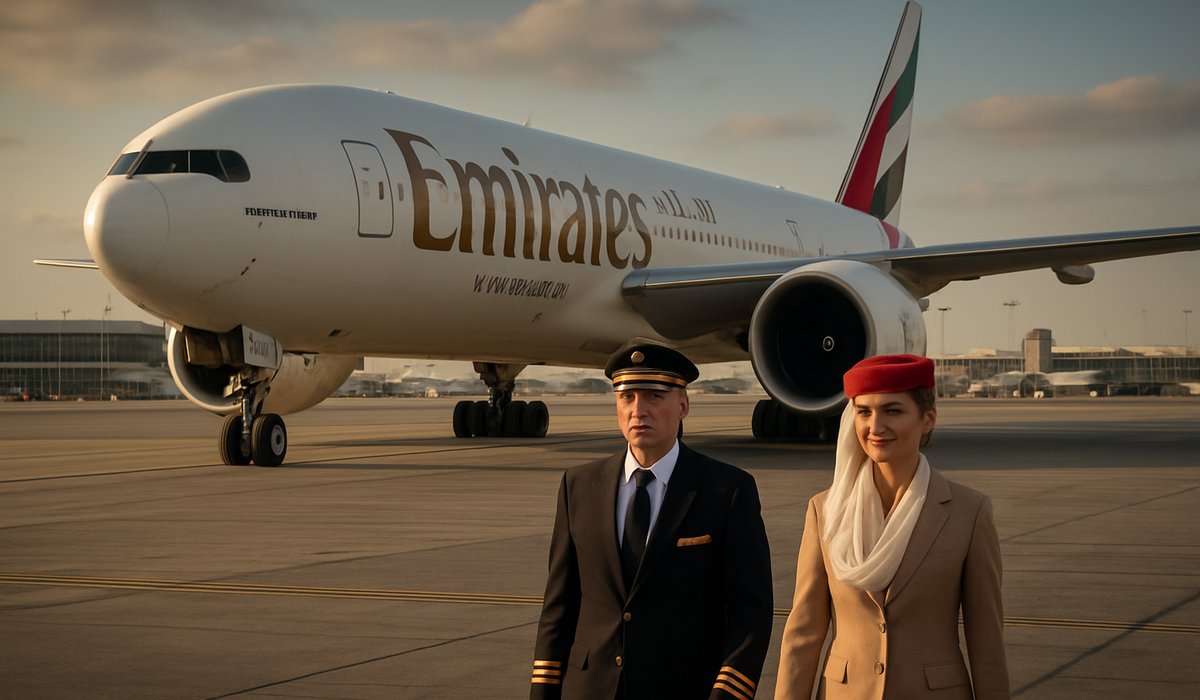
Image generated by AI
Emirates Poised for Historic Aviation First With Direct Tel Aviv-New York Service Under Unprecedented Seventh Freedom Agreement
Israel's groundbreaking aviation deal marks unprecedented shift in Middle Eastern air connectivity
Historic Regulatory Breakthrough Opens New Route
Israel's Ministry of Transportation has extended a landmark invitation to Emirates Airlines to operate what would become the aviation industry's first seventh freedom international service, connecting Ben Gurion Airport in Tel Aviv directly to New York's John F. Kennedy International Airport. The proposal represents a seismic shift in bilateral air agreements and signals transformative changes for transatlantic aviation connectivity from the Middle East.
Under the unprecedented arrangement, Emirates would be permitted to establish a permanent operational base at Tel Aviv, stationing both aircraft and crew at the Israeli hub. Critically, the carrier could operate scheduled services to New York without the customary requirement to transit through Dubai, effectively bypassing the traditional hub-and-spoke model that has dominated Emirates' global network strategy for decades.
Understanding Seventh Freedom Rights in Aviation
The seventh freedom right represents the most liberal form of air transport agreement between nations, permitting an airline to operate international flights between two foreign countries without any obligation to serve its home nation. This arrangement stands in stark contrast to the fifth freedom rights that typically govern such operations, where carriers must connect through their primary hub to qualify for intermediate landing privileges.
By granting Emirates seventh freedom status, Israel would fundamentally reshape competitive dynamics on the lucrative transatlantic corridor. The move underscores Tel Aviv's strategic ambitions to position itself as a competitive aviation hub while simultaneously normalizing air connectivity with the United Arab Emirates—a development with broader geopolitical implications for the region.
Strategic Implications and Industry Impact
The agreement, if formalized, would grant Emirates unparalleled operational flexibility and reduce fuel costs associated with routing flights through existing Gulf hubs. For Israeli travelers and cargo operators, the arrangement promises expanded capacity and potentially lower fares on premium long-haul routes—benefits particularly significant as global aviation recovers post-pandemic.
This initiative reflects Tel Aviv's broader strategy to leverage improving diplomatic relations with Gulf states to enhance its position within international aviation networks. For Emirates, the arrangement presents opportunities to strengthen its competitive positioning on North American routes while diversifying its operational footprint beyond its traditional Dubai base.
The regulatory framework governing such arrangements remains relatively untested, making this proposal a potential watershed moment for aviation policymakers worldwide. Should the agreement proceed, it could establish a template for future bilateral negotiations seeking to maximize airline operational flexibility while maintaining safety and regulatory standards.
FAQ
What is seventh freedom in aviation rights? Seventh freedom allows an airline to operate scheduled international flights between two foreign countries without serving its home nation—the most liberal form of air transport agreement.
Why would Emirates benefit from a Tel Aviv-New York route? Direct operations bypass the Dubai hub requirement, reducing fuel costs, flight times, and operational complexity while expanding Emirates' transatlantic capacity.
How does this affect Israeli travelers? Increased competition and capacity on Tel Aviv-New York routes typically result in enhanced flight options and potential fare reductions for passengers.
What are the geopolitical implications? The agreement reflects normalized relations between Israel and the UAE, using aviation connectivity as a diplomatic and economic tool.
Could other airlines receive similar privileges? The agreement may establish precedent for future seventh freedom arrangements, though each bilateral negotiation remains nation-specific.
Related Travel Guides
Disclaimer
This article is for informational and educational purposes only. It does not constitute legal, financial, or professional advice. While we strive to provide accurate and up-to-date information, travel policies, regulations, and conditions change rapidly. Always verify information with official sources before making travel decisions. Nomad Lawyer makes no representations about the accuracy, reliability, completeness, or suitability of the information provided. Readers should consult qualified professionals for advice specific to their circumstances. The views expressed in this article are those of the author and do not necessarily reflect the views of Nomad Lawyer.
Preeti Gunjan
Contributor & Community Manager
A passionate traveller and community builder. Preeti helps grow the Nomad Lawyer community, fostering engagement and bringing the reader experience to life.
Learn more about our team →