
How Airline Cabin Service Quality Transforms Passenger Satisfaction Despite Physical Constraints
Breaking airline news and aviation industry updates for 2026.

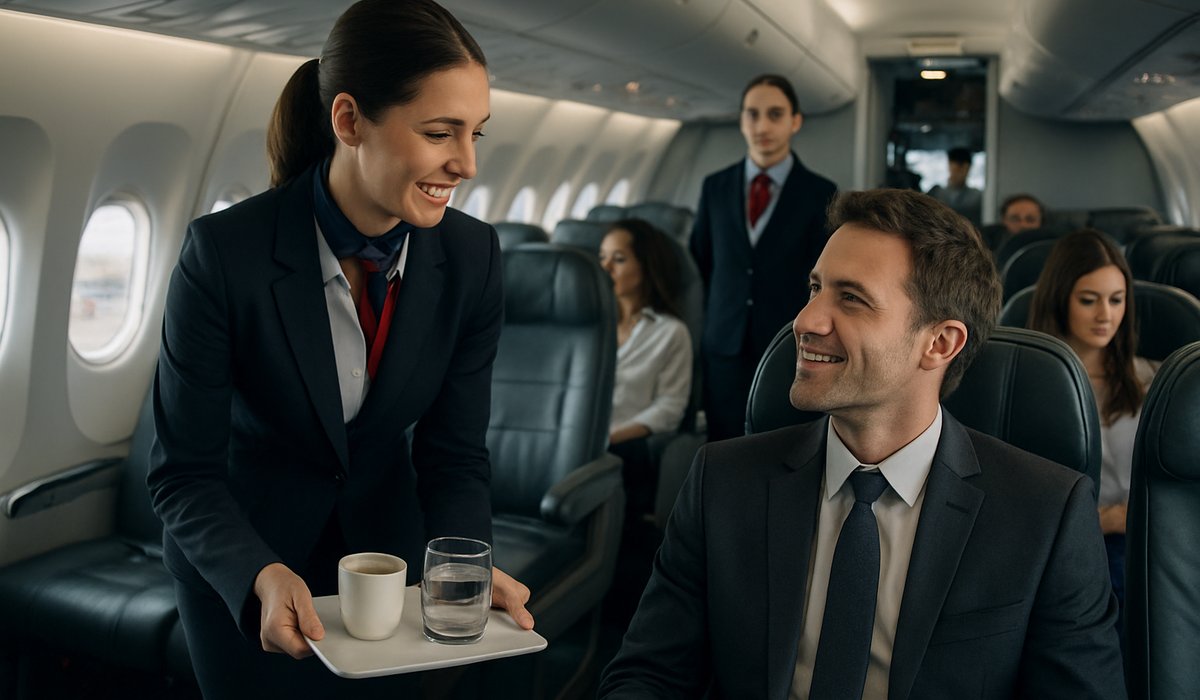
Image generated by AI
How Airline Cabin Service Quality Transforms Passenger Satisfaction Despite Physical Constraints
A deep dive into why crew hospitality and onboard amenities matter more than seat width in shaping travel experiences
The Paradox of Comfort: Why Service Trumps Seat Size
Passengers frequently disembark from flights with positive impressions despite occupying the same cramped 17-inch-wide seats they've complained about for years. This counterintuitive reality reveals a fundamental truth about the aviation industry: the quality of inflight service—encompassing crew interaction, meal offerings, and cabin atmosphere—wields remarkable power in reshaping passenger perception, often overshadowing the genuine physical limitations of economy-class seating arrangements.
The distinction between what the airline industry terms "hard product" and "soft product" has become increasingly critical in determining competitive advantage. While carriers continue pouring substantial capital into seat engineering, cabin reconfiguration, and premium cabin upgrades, mounting evidence suggests that investment in intangible service elements yields disproportionate returns in passenger satisfaction metrics.
The Soft Product Revolution
Airlines have traditionally prioritized tangible infrastructure investments—ergonomic seat design, wider cabin spacing in premium economy and business classes, and modernized lavatories. Yet research consistently demonstrates that the psychological dimension of travel—encompassing crew professionalism, culinary quality, ambient comfort, and hospitality standards—fundamentally determines whether passengers characterize their journey as exceptional or forgettable.
This phenomenon carries significant implications for airline revenue strategies. As the aviation industry grapples with elevated jet fuel prices and operational cost pressures, carriers face a critical choice: pursue expensive hard product modifications or strategically enhance soft product elements that demonstrably influence customer loyalty and repeat bookings.
Strategic Implications for Airline Operations
The recognition that inflight hospitality can psychologically compensate for physical constraints presents airlines with a cost-effective pathway to competitive differentiation. Rather than exclusively targeting premium cabin profitability through seat width expansion, forward-thinking carriers are reinvesting in crew training programs, culinary partnerships, and cabin ambiance enhancement—interventions that require comparatively modest capital expenditure while delivering measurable satisfaction improvements across all cabin classes.
For budget carriers operating on razor-thin margins, this insight proves particularly valuable. Enhanced crew friendliness, thoughtfully curated refreshment offerings, and attention to cabin cleanliness standards can meaningfully elevate the economy passenger experience without necessitating expensive aircraft retrofitting or seat reconfiguration.
Looking Forward
As competition intensifies and airline fees continue fragmenting the passenger experience, the intangible elements of service quality have emerged as a primary battleground for customer retention. The path to differentiation increasingly lies not in centimeter-level seat expansion, but in human connection and hospitality excellence.
FAQ: Airline Service Quality and Passenger Experience
Q: Why do airlines focus more on premium cabin upgrades than improving economy service? A: Traditionally, airlines pursued higher margins through premium cabin investments. However, emerging data suggests soft product improvements in economy deliver superior satisfaction-to-cost ratios, prompting strategic recalibration.
Q: How significantly does crew hospitality influence overall flight satisfaction ratings? A: Research indicates inflight service quality can override physical discomfort, with crew professionalism and attentiveness substantially boosting passenger perception and loyalty metrics.
Q: Can excellent cabin service justify paying higher airfares? A: Increasingly, yes. Passengers demonstrate willingness to select carriers offering superior hospitality, food quality, and crew engagement, even at modest price premiums.
Q: What constitutes "soft product" in airline operations? A: Soft product encompasses crew training standards, meal quality and presentation, cabin cleanliness, ambient lighting, temperature control, and overall hospitality atmosphere.
Q: Are budget airlines investing in improved inflight service? A: Forward-thinking low-cost carriers recognize that modest service enhancements deliver competitive advantage without requiring expensive hard product modifications.
Related Travel Guides
External Resources
Disclaimer
This article is for informational and educational purposes only. It does not constitute legal, financial, or professional advice. While we strive to provide accurate and up-to-date information, travel policies, regulations, and conditions change rapidly. Always verify information with official sources before making travel decisions. Nomad Lawyer makes no representations about the accuracy, reliability, completeness, or suitability of the information provided. Readers should consult qualified professionals for advice specific to their circumstances. The views expressed in this article are those of the author and do not necessarily reflect the views of Nomad Lawyer.
Raushan Kumar
Founder & Lead Developer
Full-stack developer with 11+ years of experience and a passionate traveller. Raushan built Nomad Lawyer from the ground up with a vision to create the best travel and law experience on the web.
Learn more about our team →