
Turkish Airlines Charts Aggressive Expansion Into Ultra-Long-Haul Markets With New Airbus A350 Fleet
Breaking airline news and aviation industry updates for 2026.

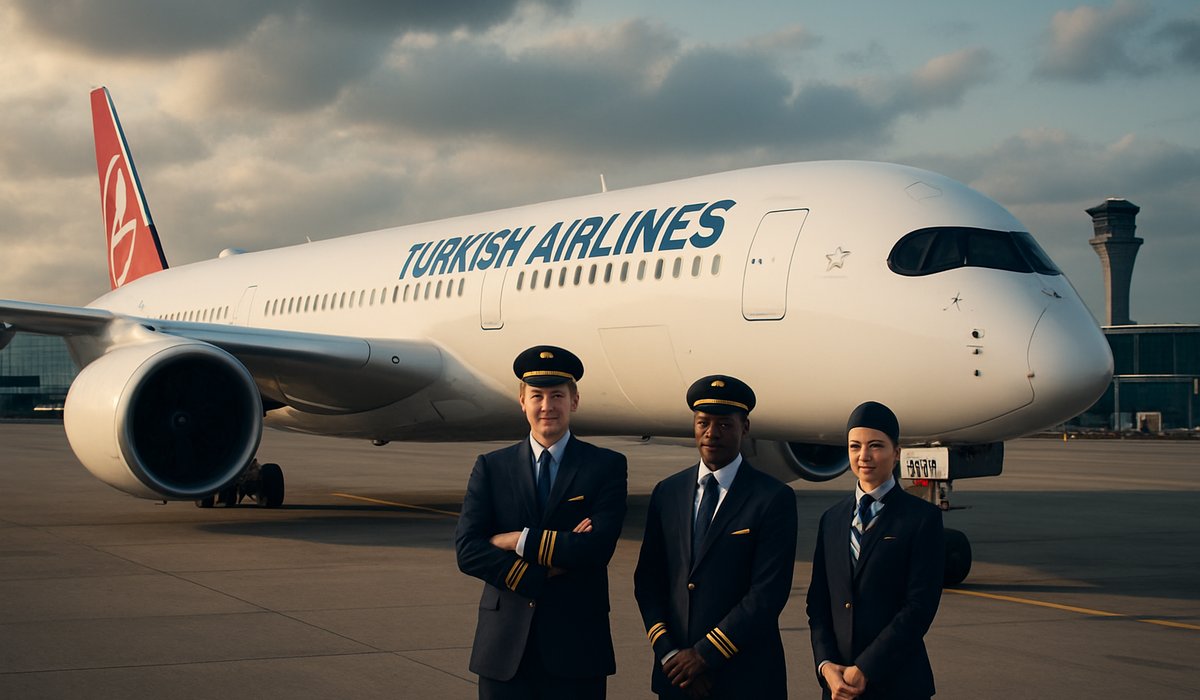
Image generated by AI
Turkish Airlines Charts Aggressive Expansion Into Ultra-Long-Haul Markets With New Airbus A350 Fleet
Carrier aims to launch direct flights to Australia by late 2027, signaling major shift in global aviation strategy
Fleet Modernization Accelerates Under New Leadership
Turkish Airlines is executing a sweeping transformation of its aircraft portfolio, positioning itself to compete aggressively in the lucrative ultra-long-haul segment. Under the direction of newly appointed leadership, the Istanbul-based carrier has committed to introducing advanced Airbus A350 wide-body jets into its operations, fundamentally reshaping its international route network and capacity strategy.
The strategic push represents a significant departure from the airline's reliance on intermediate hub connections. Rather than routing passengers through traditional stopover points, Turkish Airlines is investing in aircraft capable of sustaining 8,000+ nautical mile journeys, enabling direct service to distant markets—particularly Australia—without refueling interruptions.
Direct Australia Routes Within Three Years
The carrier's expansion timeline is deliberately aggressive. By the conclusion of 2027, Turkish Airlines intends to establish nonstop connectivity to Australia, marking a watershed moment in the Middle Eastern and European airline competitive landscape. This initiative reflects broader industry trends wherein carriers increasingly deploy next-generation aircraft to capture high-margin premium cabin revenues and reduce overall journey times for passengers.
The Airbus A350-900 and A350-1000 variants offer superior fuel efficiency compared to aging widebody predecessors, enabling longer ranges while maintaining profitability. For Turkish Airlines, this translates into reduced operating costs per available seat kilometer and enhanced competitiveness against incumbent carriers servicing Asia-Pacific routes.
Strategic Positioning and Market Implications
The expansion aligns with Turkish Airlines' broader ambitions to solidify its position as a bridge carrier between Europe and Asia-Pacific markets. By eliminating intermediate stops, the airline captures premium international traffic that might otherwise default to Gulf-based competitors or Asian carriers. The move also strengthens Istanbul's standing as a major aviation hub, justifying infrastructure investments at Turkish airports.
Industry analysts note that such ultra-long-haul deployments require substantial capital investment and operational expertise. The A350's advanced avionics, fuel management systems, and cabin technologies demand specialized crew training and ground support infrastructure—expenses Turkish Airlines is prepared to absorb given projected demand recovery in premium leisure and business travel segments.
Broader Aviation Sector Outlook
Turkish Airlines' investment in ultra-long-haul capacity reflects confidence in sustained international travel demand despite persistent global economic uncertainties. As jet fuel prices stabilize and supply chain pressures ease, major carriers worldwide are accelerating fleet modernization initiatives to improve margins and reduce environmental footprints.
The Australian route launch positions Turkish Airlines alongside established carriers on this competitive corridor, potentially increasing pricing pressure on existing operators while expanding passenger choice and service frequency across the route.
Frequently Asked Questions
When will Turkish Airlines begin flying direct to Australia? Turkish Airlines targets the end of 2027 for establishing nonstop service to Australia, contingent on A350 aircraft deliveries and regulatory approvals.
What aircraft will Turkish Airlines use for these ultra-long-haul routes? The carrier will deploy Airbus A350-900 and A350-1000 wide-body jets, selected for their extended range capabilities (8,000+ nautical miles) and fuel efficiency advantages.
How does this strategy affect current airline competition on Asia-Pacific routes? Direct Istanbul-Australia flights reduce travel times and operational costs, potentially intensifying competition with Gulf carriers and Asian airlines while capturing premium cabin revenues.
Why is Istanbul positioned as a strategic hub for long-haul aviation? Turkish Airlines' Istanbul base offers geographical advantages bridging Europe and Asia, combined with substantial airport infrastructure investments, making it competitive for ultra-long-haul operations.
How does modern A350 technology improve airline profitability on long routes? Advanced fuel systems, lighter composite construction, and improved aerodynamics reduce consumption per available seat kilometer, enhancing margins on premium-revenue long-haul flights.
Related Travel Guides
External Resources
Disclaimer
This article is for informational and educational purposes only. It does not constitute legal, financial, or professional advice. While we strive to provide accurate and up-to-date information, travel policies, regulations, and conditions change rapidly. Always verify information with official sources before making travel decisions. Nomad Lawyer makes no representations about the accuracy, reliability, completeness, or suitability of the information provided. Readers should consult qualified professionals for advice specific to their circumstances. The views expressed in this article are those of the author and do not necessarily reflect the views of Nomad Lawyer.
Raushan Kumar
Founder & Lead Developer
Full-stack developer with 11+ years of experience and a passionate traveller. Raushan built Nomad Lawyer from the ground up with a vision to create the best travel and law experience on the web.
Learn more about our team →