
How Auto Accident Attorneys Help Navigate Injury Claims Today
Learn how auto accident attorneys help navigate Massachusetts injury claims, protect evidence, calculate total losses, and handle insurance companies.

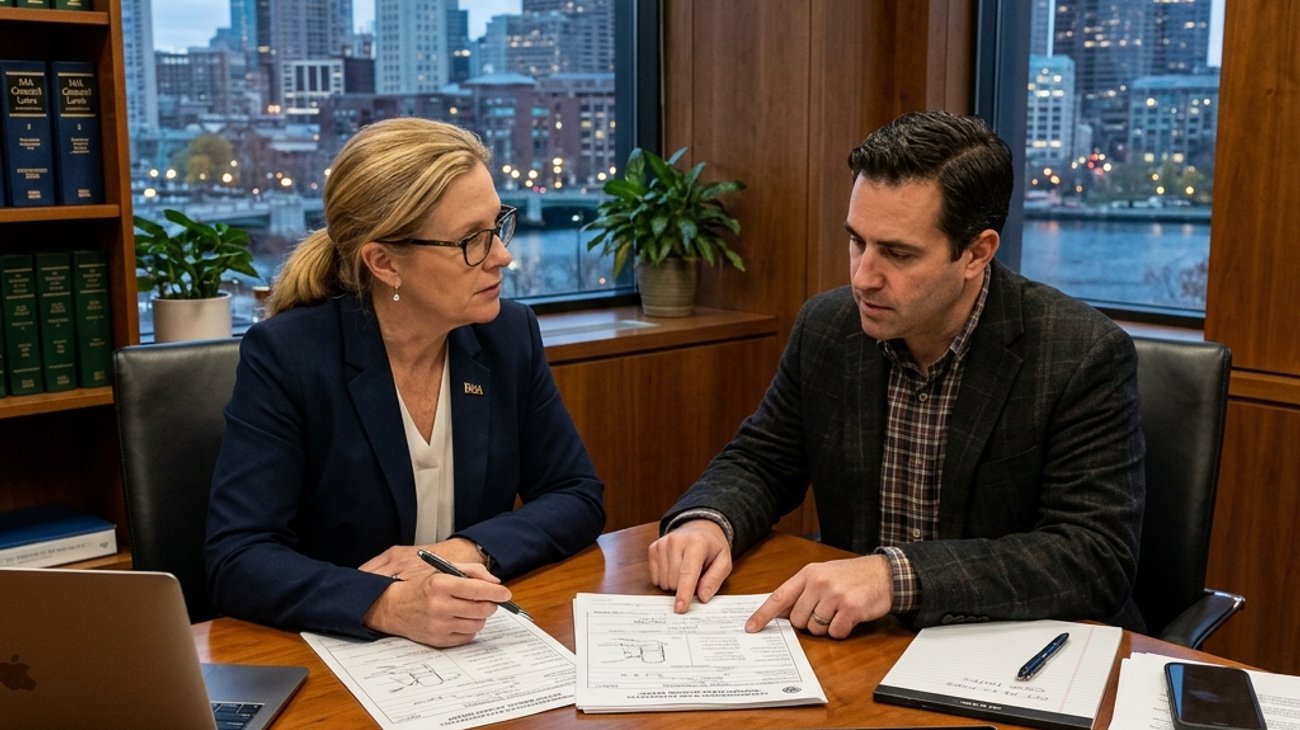
Image generated by AI
Massachusetts combines dense urban corridors, busy suburban routes, and heavily traveled highways, making everyday driving an important part of work, family life, and commerce across the state. When an unexpected collision disrupts that routine, the consequences can extend well beyond the damaged vehicles, particularly when injuries interfere with employment, mobility, or household responsibilities. Understanding what happens next can be difficult while medical concerns and financial uncertainty compete for attention. This is where informed legal assistance becomes valuable, helping injured motorists approach the claims process with a clearer understanding of their rights, responsibilities, and potential avenues for recovery. Consulting a Boston car accident attorney can give injured individuals a practical starting point for evaluating their situation, protecting their interests, and making thoughtful decisions as they work toward recovery.
Early Legal Guidance Following a Collision
After a crash, a claimant may face immediate treatment decisions, wage loss, repair bills, and calls from insurance adjusters. A dedicated car accident attorney can review liability, explain Massachusetts auto insurance rules, preserve vital proof, and calculate recoverable financial losses.
That early legal guidance helps an injured person avoid harmful recorded statements or rushed agreements while medical professionals evaluate the collision's long-term physical and financial effects.
Protecting Critical Crash Evidence
Evidence can disappear quickly after a motor vehicle collision. Attorneys act fast to request municipal traffic camera footage, commercial vehicle data recorder logs, photographs, witness statements, police reports, and nearby business surveillance recordings.
They also physically inspect vehicle damage patterns and roadway conditions. These steps help connect the crash directly to a specific driver’s negligent conduct. Preserved proof can counter inaccurate accounts and give settlement negotiations a strong factual foundation.
Documenting Medical Harm and Ongoing Treatment
A personal injury claim requires clear, unassailable medical support. Legal teams systematically collect emergency room records, diagnostic imaging results, physician treatment notes, prescriptions, physical therapy invoices, and specialist medical opinions.
They compare early symptoms with later diagnosed conditions, including complex fractures, nerve damage, traumatic brain injuries, and lasting chronic pain. Consistent medical care creates a reliable treatment timeline that demonstrates how the collision caused harm and why ongoing medical care remains necessary.
Establishing Fault Under Massachusetts Law
Massachusetts operates under modified comparative negligence rules. A claimant may recover financial damages as long as their personal responsibility for the accident does not exceed 50%, although the financial award is reduced proportionately by their percentage of fault.
Attorneys thoroughly examine driver conduct, traffic signals, road design hazards, vehicle maintenance logs, and witness accounts. Their detailed review can reveal shared responsibility or identify another legally liable party, such as a vehicle owner or commercial fleet operator.
Calculating Total Economic and Non-Economic Losses
Financial recovery may include hospital charges, rehabilitation costs, prescription medication, transportation, vehicle repairs, lost wages, and reduced future earning capacity. Non-financial harm encompasses physical pain and suffering, emotional distress, and loss of enjoyment of life activities.
Attorneys organize medical bills and employment records, consulting medical, vocational, or economic experts when long-term future losses require precise financial projection.
Handling Insurance Adjuster Communications
Insurance companies frequently seek quick recorded statements or lowball early settlements before the full extent of injuries is known. An attorney manages all communications and reviews proposed release agreements before a claimant signs anything.
Adjusters may question treatment gaps, pre-existing conditions, or work limitations. A prepared legal response addresses those issues with objective medical records rather than speculation, preventing an undervalued agreement from prematurely closing the claim.
Meeting Critical Statutory Filing Deadlines
Every personal injury claim has strict statutory deadlines. Massachusetts law imposes different filing periods depending on whether claims involve private drivers, public transit authorities, or municipal entities.
Missing a required filing deadline permanently bars a valid legal case. An attorney verifies applicable statutory rules early, files required administrative notices, and creates a strict timeline for evidence collection and court litigation.
Negotiating a Fair Insurance Settlement
Settlement negotiations rely on factual proof, objective valuation, and strategic timing. Attorneys prepare comprehensive demand packages connecting legal liability, medical findings, lost income proof, and personal impact.
They evaluate whether an insurance offer reflects true claim value or leaves future medical costs unpaid. Careful negotiation often resolves disputes without a court trial, while preserving the option of formal litigation if discussions fail.
Preparing for Court Trial and Litigation
A strong legal case requires thorough trial preparation even when a settlement remains likely. Attorneys organize court exhibits, depose key witnesses, consult expert specialists, and develop a clear argument for a judge or jury.
Trial preparation signals to insurance companies that a claimant is fully prepared to pursue a court verdict. Where evidence strongly supports liability, trial readiness encourages more realistic settlement negotiations.
Supporting Clear and Informed Legal Decisions
Legal representation does more than manage administrative paperwork. Attorneys explain available choices, identify legal risks, and keep claimants informed as evidence develops.
They coordinate with medical providers, employers, auto repair professionals, and insurance carriers. Clear attorney-client communication helps families plan for expenses and treatment while keeping legal strategy aligned with the claimant’s actual recovery needs.
The Essential Role of Auto Accident Attorneys
Auto accident attorneys help injured people address evidence preservation, fault analysis, medical proof, financial losses, insurance tactics, and legal deadlines in an organized manner. Their involvement prevents costly mistakes and strengthens the evidentiary record supporting a claim.
While each case depends on its unique facts, injuries, and applicable law, a timely legal consultation allows claimants to evaluate their options before critical evidence or filing rights disappear.
Frequently Asked Questions
What is the statute of limitations for a car accident claim in Massachusetts?
In Massachusetts, the general statute of limitations for personal injury claims resulting from a car accident is three years from the date of the crash under M.G.L. c. 260 § 2A. However, claims involving government entities may require formal notice within a much shorter timeframe.
How does Massachusetts PIP (Personal Injury Protection) insurance work?
Massachusetts is a modified no-fault state. Your PIP insurance pays up to $8,000 for medical expenses and lost wages regardless of fault. You can step outside the no-fault system to sue a at-fault driver if medical expenses exceed $2,000 or if the injury involves permanent disfigurement, fracture, or loss of sight/hearing.
How does modified comparative negligence affect my car accident settlement in Massachusetts?
Under Massachusetts law, you can recover damages as long as you are 50% or less at fault for the accident. Your recovery will be reduced by your percentage of fault. If you are found 51% or more at fault, you are barred from receiving any compensation.
Related Travel Guides
Disclaimer
This article is for informational and educational purposes only. It does not constitute legal, financial, or professional advice. While we strive to provide accurate and up-to-date information, travel policies, regulations, and conditions change rapidly. Always verify information with official sources before making travel decisions. Nomad Lawyer makes no representations about the accuracy, reliability, completeness, or suitability of the information provided. Readers should consult qualified professionals for advice specific to their circumstances. The views expressed in this article are those of the author and do not necessarily reflect the views of Nomad Lawyer.
Preeti Gunjan
Contributor & Community Manager
A passionate traveller and community builder. Preeti helps grow the Nomad Lawyer community, fostering engagement and bringing the reader experience to life.
Learn more about our team →