
Houston Approves $235 Million Airport Modernization: Game-Changing Infrastructure Upgrades Reshape U.S. Global Travel Gateway in 2026
Houston City Council unanimously approved a $235 million airport modernization investment that promises enhanced global connectivity, streamlined passenger flows, and expanded international routes at IAH and HOU.

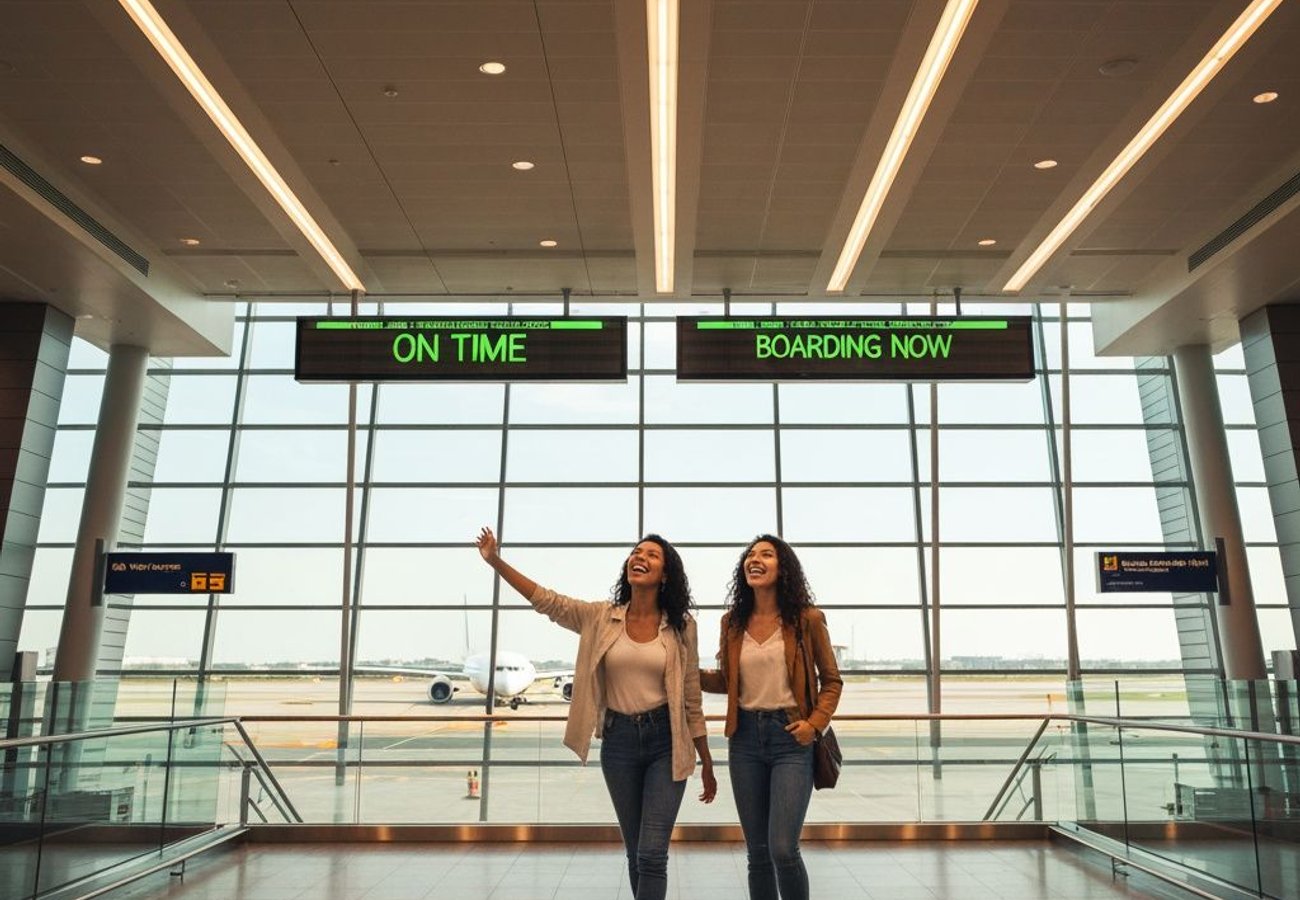
Image generated by AI
A City Doubles Down on Global Connectivity
Houston City Council just made a landmark decision that could reshape how millions of travelers experience American airports. In a unanimous vote, the council green-lit a $235 million investment in airport modernization — a strategic move that signals Houston's serious commitment to becoming a top-tier global travel hub in an increasingly competitive marketplace.
This isn't just about fixing gates and repainting walls. The funding targets George Bush Intercontinental Airport (IAH) and William P. Hobby Airport (HOU), two facilities that collectively handle millions of passengers annually and connect Houston to markets across Europe, Asia, Latin America, and beyond. The stakes are high, the vision is clear, and the implications stretch far beyond Texas.
Why Houston's Airports Matter More Than You Think
Houston occupies a unique position in American aviation. IAH functions as a critical international gateway in the country's geographic center, serving as a natural hub for transoceanic flights and connecting travelers across six continents. HOU, meanwhile, handles significant regional and leisure traffic while supporting growing business operations.
Reddit: "Houston's airports are criminally underrated compared to hubs like Atlanta or Miami. This investment could finally put them on the map for international travelers." — r/travel
The city's dual-airport system serves business professionals, cultural tourists, space enthusiasts visiting NASA, sports fans heading to rodeos and championships, and international visitors exploring everything from the Houston Museum District to its renowned dining scene. For airlines, Houston represents untapped capacity for expansion. For travelers, it represents a growing alternative to congested mega-hubs — but only if infrastructure keeps pace with ambition.
Breaking Down the $235 Million Investment
The modernization package addresses critical infrastructure gaps across multiple operational domains:
Terminal Enhancement Projects will reduce congestion during peak travel periods by redesigning passenger flow patterns and expanding gate capacity. Security Technology Upgrades introduce advanced screening systems designed to accelerate boarding while maintaining safety standards — a critical factor as international travel volumes rebound.
Wayfinding and Accessibility Improvements make navigation intuitive for first-time visitors and passengers with mobility considerations. Infrastructure Modernization prepares terminals for emerging airline partnerships and future technology innovations, from biometric boarding to connected mobility solutions.
Sustainability Initiatives align Houston airports with global standards for energy efficiency and emissions reduction — increasingly important as travelers prioritize environmentally conscious travel options. These upgrades reflect current aviation industry standards and competitive benchmarks established by leading global hubs.
The Traveler Experience Gets a Major Upgrade
What does this actually mean for people flying through Houston in 2026 and beyond? The benefits are concrete and measurable.
Security lines shrink dramatically thanks to streamlined checkpoint design and AI-enabled screening technology. Airport navigation becomes intuitive, with digital signage, clear wayfinding, and mobile integration reducing stress for connecting passengers. Comfort amenities expand significantly — think premium lounges, expanded seating areas, improved food and retail options that rival major international hubs.
Flight connectivity improves as modernized facilities attract new international carriers and support expanded long-haul routes. For business travelers, this means more direct flight options to Europe and Asia. For leisure travelers, it means shorter overall journey times and less fatigue from connections.
Ground transportation integration strengthens through dedicated ride-share zones, taxi protocols, and partnerships with future transit systems — critical for seamless airport-to-downtown movement.
Houston Takes on Miami, Atlanta, and Dallas
Houston's modernization is strategically timed. Miami International, Atlanta Hartsfield-Jackson, and Dallas/Fort Worth have dominated the international gateway conversation. Houston's investment signals a direct challenge to that hierarchy.
International carriers evaluating hub expansion increasingly prioritize cities offering modern facilities, efficiency, and growth capacity. Houston's 2026 upgrades position the city competitively for routes from London, Frankfurt, Madrid, São Paulo, and Asian markets. Airlines considering new U.S. gateway operations now view Houston as a legitimate alternative to saturated mega-hubs — a position that translates directly into more flight options and better fares for travelers.
The economic implications matter too. According to aviation economists, modern airport infrastructure drives measurable increases in passenger traffic, visitor spending, and regional economic activity. Houston stands to capture additional tourism revenue, business convention traffic, and international visitor spending across hotels, dining, retail, and attractions.
How Infrastructure Investments Reshape Tourism Economics
Airport modernization creates ripple effects throughout regional economies. Improved facilities attract airline expansion, which drives increased visitor arrivals. More visitors mean higher spending at hotels, restaurants, museums, and entertainment venues.
For Houston specifically, enhanced airport infrastructure supports the city's positioning as a destination for:
International business conferences and corporate meetings. Sports events like the Super Bowl requiring efficient arrival and departure logistics. Cultural tourism driven by diverse neighborhoods and world-class institutions. Scientific tourism centered on NASA and research institutions. Music and festival tourism from major annual events.
Every infrastructure improvement reduces traveler friction, making Houston a more attractive choice compared to alternative destinations requiring longer connections or inferior facilities.
The Geopolitical Dimension of Modern Airports
Airport infrastructure carries soft power implications often overlooked in policy discussions. Modern, welcoming facilities project national competence, hospitality, and accessibility — qualities that matter in international relations and cultural diplomacy.
As U.S.-Mexico, U.S.-Canada, transatlantic, and U.S.-Asia relationships deepen, airports become critical infrastructure supporting education exchange, business partnerships, family connections, and diplomatic engagement. Houston's modernization strengthens America's competitive position in attracting international travelers and facilitating bilateral relationships.
Enhanced airport experience reduces friction in cross-border travel, supports business efficiency, and creates positive first impressions for international visitors — factors with measurable impacts on trade, investment, and cultural relationships.
What Frequent Flyers Should Watch For
Travelers planning Houston connections in 2026 should expect:
Construction phasing that maintains operational continuity — council-approved projects typically stagger improvements to prevent service disruption. Incremental terminal improvements rolling out between mid-2026 and 2028. New carrier announcements as upgraded facilities attract international airlines expanding into Texas markets. Enhanced mobile apps integrating real-time wayfinding, dining, and retail information. Expanded lounge access as terminals add premium traveler amenities.
Business travelers heading to Houston on a regular basis should monitor IAH and HOU official websites for specific project timelines and temporary access changes.
Setting the Standard for American Aviation
Houston's $235 million commitment reflects a broader understanding: American airports must compete globally for airline partnerships and international passenger traffic. Cities that invest in modern infrastructure capture economic growth and position themselves favorably in an increasingly competitive marketplace.
The project also signals that local leadership understands 2026 travel dynamics — seamless technology integration, sustainability priorities, efficiency, and comfort. These aren't nice-to-have amenities; they're table-stakes requirements for competitive gateways in the modern travel environment.
As other American cities evaluate their own infrastructure strategies, Houston's bold move establishes a new baseline for serious gateway cities. The question for Miami, Atlanta, and Dallas becomes: how aggressively will they respond?
Houston is officially doubling down — and international travelers are about to reap the rewards.
Related Travel Guides
Disclaimer
This article is for informational and educational purposes only. It does not constitute legal, financial, or professional advice. While we strive to provide accurate and up-to-date information, travel policies, regulations, and conditions change rapidly. Always verify information with official sources before making travel decisions. Nomad Lawyer makes no representations about the accuracy, reliability, completeness, or suitability of the information provided. Readers should consult qualified professionals for advice specific to their circumstances. The views expressed in this article are those of the author and do not necessarily reflect the views of Nomad Lawyer.
Preeti Gunjan
Contributor & Community Manager
A passionate traveller and community builder. Preeti helps grow the Nomad Lawyer community, fostering engagement and bringing the reader experience to life.
Learn more about our team →