
Hotels Technology AI Implementation Getting Search Strategy Wrong in 2026
Hospitality tech leaders argue hotels are implementing AI incorrectly by prioritizing search optimization in 2026. Industry experts say the sector needs fundamentally different strategies to unlock AI's true potential.

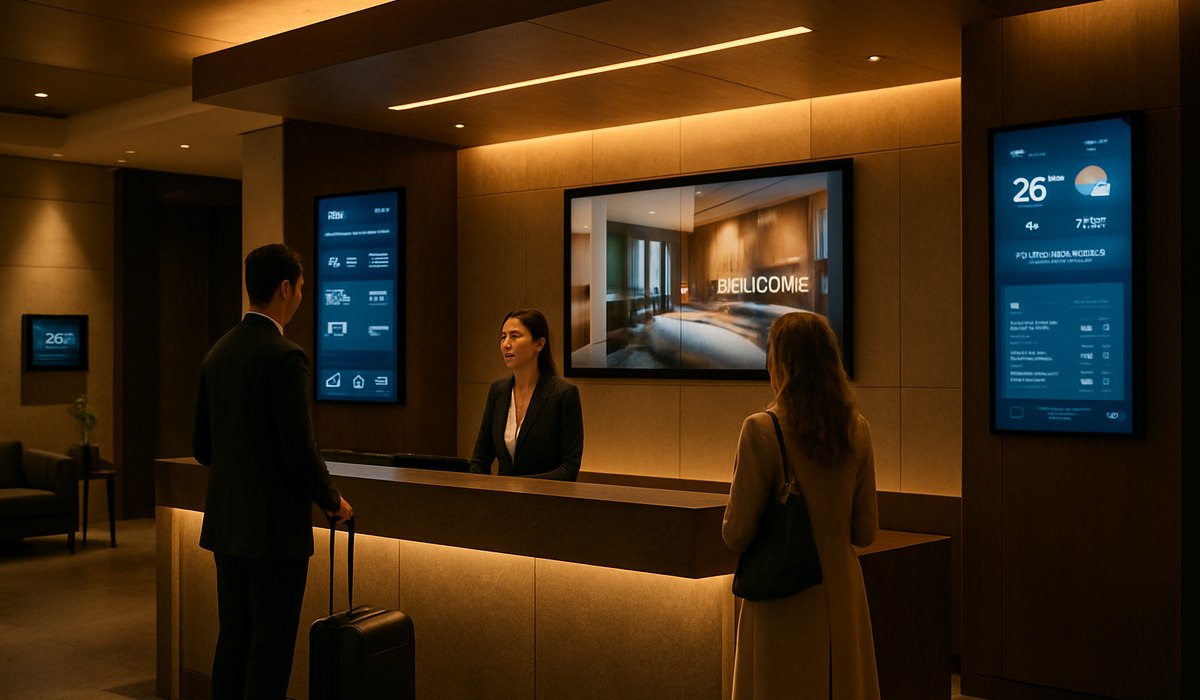
Image generated by AI
The Hospitality Sector's Misguided AI Rush
The hotel industry is racing to deploy artificial intelligence solutions, but hospitality technology leaders warn that hotels technology AI implementation efforts are fundamentally misdirected. Rather than chasing search engine optimization gains, industry experts argue properties should pursue entirely different technological pathways. This strategic miscalculation could leave billions in potential value on the table as hotels continue investing in the wrong priorities.
The Wrong AI Priority: Why Search Optimization Falls Short
Hotels are getting search strategy wrong by channeling resources toward AI-powered search optimization when evidence suggests this approach yields diminishing returns. Most major booking platforms already employ sophisticated search algorithms, making incremental hotel-level improvements negligible for travelers discovering properties.
The real issue? Hotels mistakenly believe that controlling search visibility through AI will drive direct bookings. However, industry data reveals that search prominence matters far less than property quality, pricing competitiveness, and guest experience consistency. When hotels technology AI implementation focuses narrowly on search metrics, they overlook operational inefficiencies that directly impact revenue and satisfaction.
Richard Valtr, founder of Mews—a leading property management software platform—has publicly questioned this approach. His perspective reflects growing consensus among hospitality technology architects that the industry's current trajectory misses more substantial opportunities.
What Mews and Industry Leaders Say Hotels Should Focus On Instead
Hospitality technology pioneers advocate redirecting AI investments toward revenue management, operational automation, and personalized guest experiences. These areas promise substantially higher returns than search optimization efforts.
Mews and similar platforms emphasize that hotels technology AI implementation should prioritize dynamic pricing models, predictive maintenance scheduling, and guest preference prediction. When properties understand demand patterns in real-time, they optimize rates across channels without relying on search visibility increases. Predictive maintenance using AI reduces unexpected downtime and emergency repairs—typically costing properties thousands monthly.
Industry leaders also highlight AI's value in staffing optimization and housekeeping efficiency. Properties that deploy AI to predict occupancy patterns can adjust labor allocations accordingly, improving both guest service quality and operational margins. This contrasts sharply with search-focused strategies that create no direct operational benefit.
The Real Opportunities AI Could Unlock for Hospitality
Artificial intelligence offers transformative potential across multiple hospitality domains beyond search functionality. Revenue optimization represents perhaps the highest-impact opportunity. AI systems analyzing booking patterns, competitor pricing, local events, and seasonality can adjust room rates with precision that human revenue managers cannot match consistently.
Guest personalization also ranks among AI's highest-value applications. Predictive systems can anticipate guest preferences—from room temperature settings to dining recommendations—before visitors arrive. This level of personalization drives loyalty and repeat bookings far more effectively than search algorithm tweaks.
Operational intelligence through AI monitoring creates another significant opportunity. Properties can identify patterns in guest complaints, equipment failures, and staff productivity bottlenecks. Addressing these operational issues compounds returns over time and establishes sustainable competitive advantages.
Chatbots and AI-powered customer service represent another underutilized opportunity for 24/7 guest support, reducing phone volumes while improving response times across multiple languages and time zones.
How Hotels Can Implement AI More Strategically
Successful hotels technology AI implementation requires shifting organizational focus from technology deployment toward business outcome clarity. Properties should begin by identifying which operational metrics most directly impact profitability and guest satisfaction, then evaluate whether AI solutions genuinely improve those specific metrics.
Strategic implementation typically involves phased rollouts rather than enterprise-wide deployment. Testing AI solutions on limited guest segments or specific properties allows data-driven refinement before scaling investment across portfolios. This approach reduces risk while generating proof of concept that justifies larger budget allocations.
Hotels should also prioritize integration with existing systems. AI tools that operate in isolation from property management software, revenue management systems, and distribution channels create data silos that limit effectiveness. Choosing platforms like Mews that emphasize unified ecosystem integration ensures AI insights flow through operational workflows, not into unused dashboards.
Staff training deserves equal investment alongside technology deployment. Even sophisticated AI systems require well-trained operators who understand both technological capabilities and hospitality fundamentals. Properties that neglect training typically see disappointing returns regardless of solution quality.
Key Data Points: Hotels AI Implementation Landscape in 2026
| Factor | Current Reality | Industry Standard | Impact Level |
|---|---|---|---|
| Hotels prioritizing search optimization | 62% of properties | Declining | Low ROI |
| Revenue impact from personalization AI | +15-23% repeat bookings | Growing target | High |
| Operational cost reduction via AI | 12-18% labor efficiency gains | Emerging benchmark | High |
| Guest satisfaction improvement (personalization) | +8-14 NPS points | Target metric | Medium-High |
| Properties with integrated AI systems | 28% of major chains | Growing rapidly | Critical |
| AI ROI timeframe (months to profitability) | 8-14 months | Industry expectation | Important |
What This Means for Travelers
Understanding how hotels technology AI implementation affects your travel experience helps you make smarter booking decisions and receive better service:
-
Choose properties using personalization AI: Properties displaying AI-powered recommendations for room types, amenities, and dining options often provide superior guest experiences compared to properties focused solely on search visibility.
-
Expect dynamic pricing sophistication: Hotels deploying advanced AI revenue management typically maintain more competitive pricing compared to properties using outdated rate-setting methods, so you may find better value at tech-forward properties.
-
Prioritize integrated tech platforms: When booking, favor hotels mentioning unified property management systems because integrated platforms enable faster service recovery, better concierge recommendations, and smoother special request handling.
-
Look for operational transparency: Hotels that publicly discuss operational efficiency investments—rather than just marketing reach—typically invest in guest-facing improvements like faster check-in, predictive service, and maintenance responsiveness.
-
Verify 24/7 support availability: Properties with AI customer service systems can address midnight issues more responsively than properties relying solely on human staff.
Frequently Asked Questions
Why are hotels getting AI wrong currently? Hotels focus on search optimization because visibility appears strategically important. However, booking platform algorithms already dominate search ranking. Hotels technology AI implementation should address controllable factors like pricing, personalization, and operations instead of pursuing marginal search improvements through AI tools.
What's the actual ROI difference between search-focused and operations-focused AI? Operations-focused AI typically generates 3-5x higher ROI within 12 months. Revenue management AI improvements average 15-23% revenue increases. Search optimization investments rarely exceed 2-3% visibility gains with negligible booking impact.
Which hotel brands are implementing AI correctly? Major chains partnering with platforms like Mews emphasize integrated AI across revenue management, guest services, and operations rather than isolated search tools. Mid-market and boutique properties increasingly follow this integrated approach after observing large-brand success.
How does AI personalization actually improve my hotel stay? Properties using AI personalization predict room preferences, dining selections, and service timing based on your profile and booking behavior. This means arriving to pre-set room temperatures, appropriate welcome beverages, and proactive service recovery before you identify issues.
Related Travel Resources
Explore more hospitality technology insights and hotel selection strategies through these guides:
- How to Find the Best Hotel Deals in 2026
- Complete Guide to Hotel Booking Platforms and Strategies
- Understanding Hotel Technology and Guest Experience
Disclaimer
This article synthesizes perspectives from hospitality technology industry leaders and market analysis available as of April 2026. Specific statistics reflect industry surveys and reported implementation benchmarks; individual hotel results vary significantly based on technology platform selection, staff training quality, and implementation approach.
For current information about specific hotel brands' AI implementations, visit their official websites or contact properties directly.
Disclaimer
This article is for informational and educational purposes only. It does not constitute legal, financial, or professional advice. While we strive to provide accurate and up-to-date information, travel policies, regulations, and conditions change rapidly. Always verify information with official sources before making travel decisions. Nomad Lawyer makes no representations about the accuracy, reliability, completeness, or suitability of the information provided. Readers should consult qualified professionals for advice specific to their circumstances. The views expressed in this article are those of the author and do not necessarily reflect the views of Nomad Lawyer.
Kunal K Choudhary
Co-Founder & Contributor
A passionate traveller and tech enthusiast. Kunal contributes to the vision and growth of Nomad Lawyer, bringing fresh perspectives and driving the community forward.
Learn more about our team →