
New Huanggang Port Opens Between Hong Kong and Shenzhen: 24-Hour Border Transit Guide

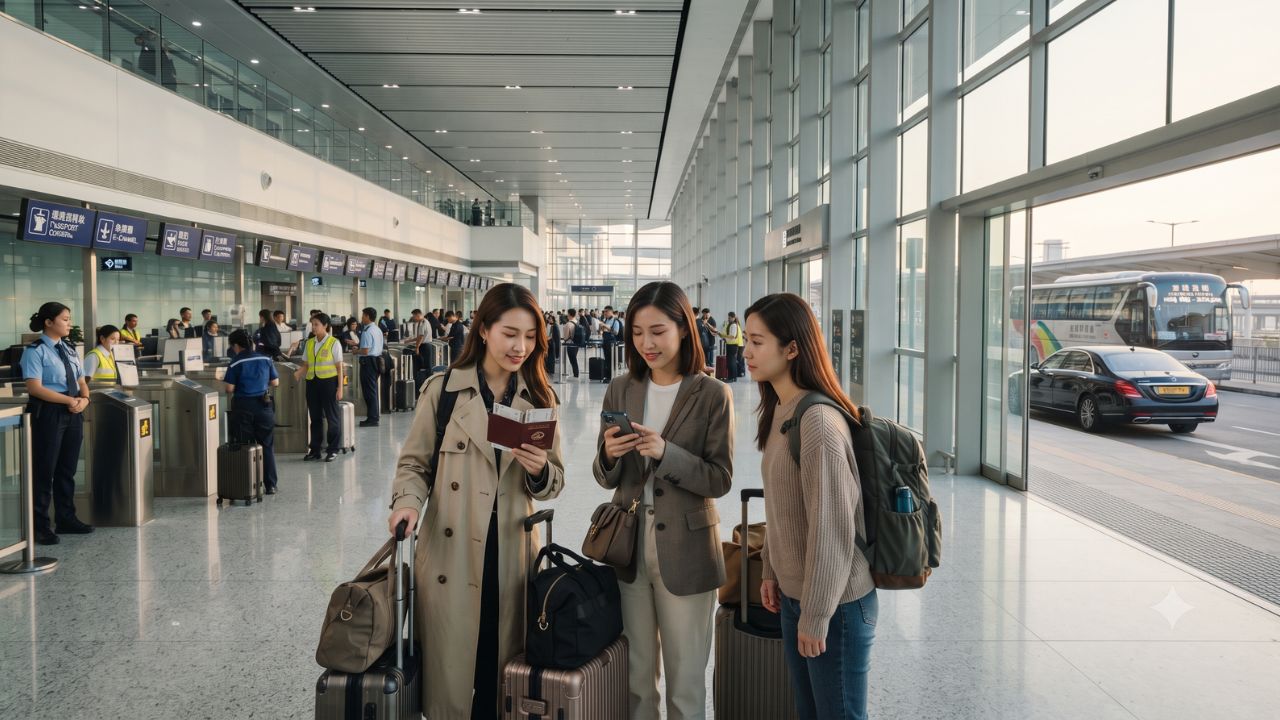
At precisely 6:30 am on Monday, 12 October 2026, the decades-old Lok Ma Chau passenger checkpoint and the makeshift Huanggang border halls will shut their doors forever, instantly transferring all 24-hour cross-boundary traffic into a massive redevelopment capable of processing 200,000 passengers a day. For late-night commuters, cross-boundary shoppers, and international travelers catching early morning departures at Hong Kong International Airport or Shenzhen Bao'an, this historic switchover represents a monumental upgrade in Greater Bay Area connectivity. However, navigating the newly opened terminal requires understanding strict procedural changes—from dawn bus timetables to mandatory luggage separation for private car passengers.
The 12 October Switchover: Retiring Lok Ma Chau
Following joint acceptance inspections, system trials, and inter-departmental emergency drills confirmed by Guangdong and Hong Kong authorities, the new Huanggang Port officially opens for public clearance at 6:30 am on 12 October 2026. The opening marks a definitive cutoff point. All passenger processing at the existing Lok Ma Chau Control Point and the temporary Huanggang facilities will cease operations at that exact moment.
According to official briefings delivered by Hong Kong Secretary for Security Chris Tang, existing checkpoint facilities processed an average of roughly 40,000 travelers daily, climbing to 65,000 during peak holiday weekends, alongside 9,000 to 12,000 vehicles. The redeveloped Huanggang complex expands daily capacity fivefold, designed to handle up to 200,000 passengers and 15,000 vehicles every 24 hours.
To avoid being stranded on the boundary line, nocturnal travelers must track the exact departure windows of the final cross-border bus runs. The famous "Yellow Bus" shuttle serving the legacy crossing will run its final northbound departure from the San Tin Public Transport Interchange between 6:15 am and 6:20 am on 12 October, with marshals closing queues strictly ahead of schedule. The final southbound Yellow Bus will wait until the last travelers admitted to the old facility before 6:30 am clear immigration. Concurrently, five established short-haul cross-boundary coach routes will dispatch their last departures to the old facility between 5:15 am and 5:45 am before redirecting to the new terminal.
Opening Day Bus Timetable and Route Network
To support early morning arrivals, the Hong Kong Transport Department established special advance first departures across five franchised bus routes on the morning of 12 October. These buses depart their Hong Kong termini well ahead of the 6:30 am opening to deliver passengers to the new port right as clearance halls unlock.
| Bus Route & Operator | Hong Kong Departure Terminus | Special First Departure (12 Oct) | Standard Operating Character |
|---|---|---|---|
| KMB B10 | Kwai Tsui Estate Public Transport Interchange | 5:30 am | Connects Kwai Chung and Tsuen Wan districts directly to the border. |
| KMB B11 | Tin Fu Bus Terminus | 5:30 am | Serves Tin Shui Wai and western New Territories residential communities. |
| NLB B12 (New Lantao Bus) | Wu Kai Sha Station Public Transport Interchange | 5:30 am | Arterial link for Ma On Shan, Sha Tin, and eastern New Territories commuters. |
| Citybus B13 | Siu Sai Wan (Island Resort) | 4:45 am | Cross-harbour express linking eastern Hong Kong Island to the frontier. |
| Citybus B14 | Kai Tak (Olympic Avenue) | 5:40 am | Direct corridor serving Kowloon East and urban redevelopment quarters. |
These early departure times apply exclusively to the morning of the switchover, with all routes adopting standard published schedules starting 13 October.
Mandatory Luggage Separation for Private Car Passengers
One of the most critical operational shifts at the new Huanggang facility impacts travelers using dual-plate cross-boundary private vehicles and limousine transfer services.
Under previous arrangements at temporary facilities, passengers often remained seated inside vehicles during clearance checks. At the new complex, a strict physical separation protocol applies. All general passengers must disembark at the designated passenger drop-off zone, carrying all personal luggage, backpacks, and duty-free goods with them into the multi-story passenger clearance hall.
Meanwhile, drivers proceed separately through automated vehicle lanes where customs officers conduct electronic risk assessments and physical vehicle inspections. Families traveling with young children, elderly relatives, or substantial luggage must keep passports, Mainland Travel Permits, and entry cards in hand before exiting the vehicle, rather than packing travel documents inside trunk baggage.
What Makes Huanggang Port Geographically Unique
Unlike the high-speed rail terminal at West Kowloon or the Lo Wu and Lok Ma Chau Spur Line rail crossings that shut down before midnight, Huanggang stands as the premier 24-hour road gateway linking urban Hong Kong directly to downtown Shenzhen. The port sits squarely on the Shenzhen River in Futian District, placing travelers within walking distance of Shenzhen's central business district, high-tech headquarters, and 24-hour supper markets.
For night explorers visiting through the Hong Kong Tourism Board, Huanggang allows late-night dining in Shenzhen's Shuiwei food village—famed for Chiu Chow beef hot pot and charcoal-grilled seafood—before returning to Kowloon in the early morning hours.
Crucially, because of strict spatial constraints, the Hong Kong Port Area provides zero public parking facilities for private vehicles. Visitors traveling to the border must rely on franchised buses, green minibuses, cross-boundary coaches, or licensed urban and New Territories taxis. The facility sits entirely within a designated Closed Area; entering the perimeter without crossing the international boundary or holding an official Closed Area Permit remains a prosecutable offense under Hong Kong law.
Visitor Insider Tips: Navigating the 24-Hour Crossing
- Match Your Transit to Overnight Timetables: While customs clearance at Huanggang operates 24 hours daily, many connecting daytime franchised bus lines pause operations between 1:00 am and 5:00 am. During overnight hours, rely on dedicated 24-hour short-haul cross-boundary coaches running from Wan Chai, Mong Kok, Jordan, and Tsuen Wan.
- Carry Valid Physical Identification: Automated smart clearance channels (e-Channels) are available, but their use depends on specific immigration status. Eligible Hong Kong permanent residents can utilize automated gates, while foreign tourists and non-resident visitors must present valid passports and visas through staffed immigration counters overseen by the Hong Kong Immigration Department.
- Seek Out On-Site Port Ambassadors: Recognizing that the new terminal layout will disorient frequent commuters during opening week, transport authorities have deployed uniformed port ambassadors across terminal lobbies and bus bays to guide travelers toward correct inspection channels and ticket counters.
- Pre-Load Both Octopus and Mainland Digital Wallets: Transit on the Hong Kong side operates smoothly via contactless Octopus cards, while public buses, taxis, and metro lines on the Shenzhen side require Alipay, WeChat Pay, or contactless union cards. Ensure roaming data is active to generate QR transit codes before leaving the clearance hall.
- Budget Extra Time for Morning Flight Connections: If utilizing Huanggang to catch early long-haul flights from Hong Kong International Airport on 12 or 13 October, budget an additional 45 to 60 minutes. Opening-week passenger flows and driver route familiarization will create temporary boarding bottlenecks at bus bays.
Cultural and Environmental Context: Greater Bay Area Integration
The opening of the new Huanggang Port reflects the broader socioeconomic integration of the Guangdong-Hong Kong-Macao Greater Bay Area (GBA). The mega-terminal replaces aging, fragmented checkpoint infrastructure with a modern transit hub, creating a high-efficiency corridor designed to reduce daily commuter idling times and tailpipe emissions.
By encouraging mass public bus transit over private vehicles, the border design aligns with regional decarbonization goals. Furthermore, the modern facility preserves the natural wetlands of the adjacent Mai Po Inner Deep Bay Ramsar Site on the Hong Kong side, minimizing light and noise pollution along one of East Asia’s most crucial migratory bird flyways.
FAQ: Crossing the New Huanggang Port in 2026
What time does the new Huanggang Port officially open?
The new port opens for 24-hour public clearance at 6:30 am on Monday, 12 October 2026, when the old Lok Ma Chau facility closes.
Can travelers park a private car at the new port?
No. There are no public car parks at the Hong Kong Port Area due to space limitations. Travelers must arrive via public buses, minibuses, coaches, or taxis.
Do passengers in private cars stay inside during clearance?
No. General passengers must exit at the drop-off zone, carry all luggage inside the passenger clearance hall on foot, and reunite with their vehicle after customs inspection.
Which bus routes offer early morning service on opening day?
Franchised routes KMB B10, KMB B11, NLB B12, Citybus B13, and Citybus B14 begin special early departures from Hong Kong termini between 4:45 am and 5:40 am on 12 October.
Across the gentle waters of the Shenzhen River, the dawn of a unified Greater Bay Area unfolds beneath the soaring arches of a brand-new gateway.
Related Travel Guides
Disclaimer
This article is for informational and educational purposes only. It does not constitute legal, financial, or professional advice. While we strive to provide accurate and up-to-date information, travel policies, regulations, and conditions change rapidly. Always verify information with official sources before making travel decisions. Nomad Lawyer makes no representations about the accuracy, reliability, completeness, or suitability of the information provided. Readers should consult qualified professionals for advice specific to their circumstances. The views expressed in this article are those of the author and do not necessarily reflect the views of Nomad Lawyer.
Preeti Gunjan
Contributor & Community Manager
A passionate traveller and community builder. Preeti helps grow the Nomad Lawyer community, fostering engagement and bringing the reader experience to life.
Learn more about our team →