
The Slow Travel Revolution: Holland America Line Launches Epic Global Voyages
Holland America Line is pioneering the global 'slow travel' revolution with massive new extended itineraries reaching Antarctica, Easter Island, and Null Island.

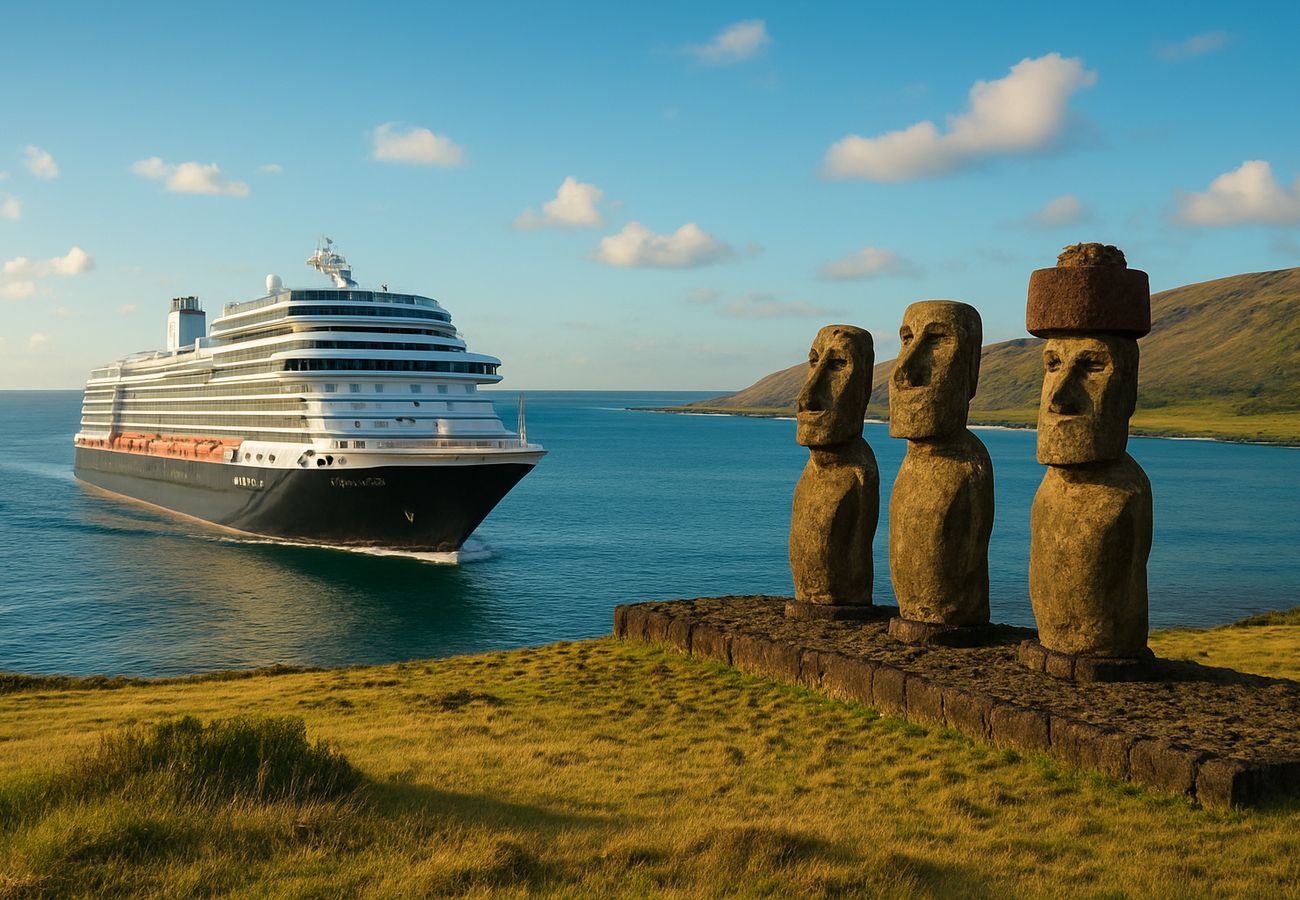
Image generated by AI
Quick Summary
- The global cruise industry is rapidly shifting toward "slow travel," prioritizing long-duration, deeply immersive, and highly educational global journeys.
- Holland America Line is leading this charge with new extended itineraries utilizing intimately sized vessels capable of reaching isolated, hidden ports.
- Highlight destinations include a highly regulated exploration of Antarctica and navigation through "Null Island," the exact intersection of the Equator and Prime Meridian.
- These strategic, eco-conscious voyages heavily align with emerging global tourism policies that demand sustainability and destination diversification.
The global travel and tourism sector is currently witnessing a dramatic, structural transformation. Moving aggressively away from the rushed, high-intensity itineraries of the past, Holland America Line has officially introduced an ambitious series of extended ocean journeys purposefully designed to redefine experiential travel.
By focusing heavily on the "slow travel" movement, these epic new itineraries will bring passengers to some of the most remote, scientifically significant, and culturally isolated destinations on the planet. These are not merely standard vacations; they represent a powerful, strategic shift toward deeper, more meaningful global exploration that perfectly aligns with emerging international policies regarding sustainability and ecological preservation.
Redefining Travel with Scientific Coordinates and Null Island
At the absolute heart of this slow travel revolution is a groundbreaking new itinerary that merges tourism with geography and science.
Travelers will have the incredibly rare opportunity to sail through "Null Island." Located deep in the Gulf of Guinea, this specific coordinate (0°N, 0°E) marks the exact intersection of the Equator and the Prime Meridian. While it is a symbolic and highly critical navigational milestone recognized by the International Hydrographic Organization, it is rarely visited by commercial cruise lines. By incorporating this precise coordinate into the route, Holland America is actively transforming the voyage into a massive educational opportunity, proving that modern travel can be a platform for profound discovery rather than passive sightseeing.
Key Facts & Highlights
- The Travel Trend: A massive industry shift toward "slow travel" and long-duration, highly immersive itineraries.
- The Cruise Line: Holland America Line, utilizing smaller, more agile vessels like the Volendam and Zaandam.
- Rare Destinations: Navigation through Null Island, extended scenic cruising in Antarctica, and deep cultural immersion on Easter Island.
- The Core Strategy: Balancing expanding global travel demand with strict environmental and cultural responsibility.
Exploring Antarctica and the Chilean Fjords Responsibly
One of the most highly anticipated highlights of these new extended journeys is a massive exploration of Antarctica.
Because the icy continent is strictly governed by environmental protocols under the Antarctic Treaty System, visiting requires immense operational precision. The new Holland America itinerary includes multi-day scenic cruising through these fragile, icy landscapes, offering travelers a deeply profound, eco-conscious viewing experience. The voyage also navigates through South America’s dramatic, jagged coastal geography, specifically highlighting the Chilean fjords and the infamous Beagle Channel.
By strictly adhering to government-backed environmental conservation guidelines, Holland America is ensuring that the surging demand for Antarctic tourism does not compromise the region's delicate ecological integrity.
Using Smaller Ships to Unlock Hidden Island Destinations
A defining, critical feature of these slow travel voyages is the strategic use of smaller, more intimately sized vessels such as the Volendam and Zaandam.
Massive modern mega-ships are simply too large to access the world's most remote, culturally significant destinations. By deploying smaller ships, Holland America can offer exclusive access to highly isolated locations like Easter Island, Namibia’s Walvis Bay, and Reunion Island. According to guidelines outlined by the International Association of Ports and Harbors, these smaller ships not only offer greater navigational flexibility but also drastically reduce the environmental impact on sensitive marine regions.
This operational shift perfectly reflects a broader industry trend: the quality and exclusivity of the travel experience are now vastly outweighing the physical scale of the ship.
Cool Climate Tourism in Australia and New Zealand
In addition to the massive global circumnavigation, a second extended itinerary focuses heavily on the surging "cool climate tourism" trend.
Recent data supported by Tourism Australia and Tourism New Zealand indicates a massive, rising preference among international travelers for destinations that offer milder temperatures and dramatic scenic landscapes. This specific voyage provides extensive, deep-dive coverage of New Zealand’s diverse, lush ports and explores the highly isolated, rugged coastline of Western Australia. The deliberate inclusion of tropical Bora Bora further enhances the itinerary, offering a perfect blend of cool-climate exploration and tropical cultural immersion.
Conclusion
As the global cruise industry adapts to rapidly changing traveler demographics, the shift toward slow, long-haul ocean travel has become the central pillar of future tourism growth. By brilliantly combining rare scientific landmarks, deep cultural heritage, and strict sustainable practices, Holland America Line has set a massive new benchmark for what global travel can achieve. The era of rushed, passive tourism is ending; the era of purposeful, expansive global exploration has officially begun.
Frequently Asked Questions (FAQ)
What is the "slow travel" movement? Slow travel is a growing global tourism trend that prioritizes longer, deeper, and more meaningful engagement with a destination, moving away from rushed, multi-stop itineraries in favor of cultural immersion and environmental sustainability.
What is Null Island? Null Island is a specific geographic coordinate (0°N, 0°E) located in the Gulf of Guinea where the Equator and the Prime Meridian intersect. It is a vital navigational milestone for global mapping systems.
Why is Holland America using smaller ships for these voyages? Smaller vessels like the Volendam and Zaandam can safely navigate into rare, highly isolated ports (like Easter Island) that are physically inaccessible to modern mega-ships. They also have a lower environmental impact in sensitive regions.
What is "cool climate tourism"? Cool climate tourism refers to the massive rising demand for travel to destinations with milder, cooler temperatures—such as New Zealand and the Chilean Fjords—often driven by travelers seeking relief from extreme summer heatwaves.
Related Travel Guides
Holland America's 2028 Grand Voyages: Bora Bora to Antarctica
Disclaimer
This article is for informational and educational purposes only. It does not constitute legal, financial, or professional advice. While we strive to provide accurate and up-to-date information, travel policies, regulations, and conditions change rapidly. Always verify information with official sources before making travel decisions. Nomad Lawyer makes no representations about the accuracy, reliability, completeness, or suitability of the information provided. Readers should consult qualified professionals for advice specific to their circumstances. The views expressed in this article are those of the author and do not necessarily reflect the views of Nomad Lawyer.
Kunal K Choudhary
Co-Founder & Contributor
A passionate traveller and tech enthusiast. Kunal contributes to the vision and growth of Nomad Lawyer, bringing fresh perspectives and driving the community forward.
Learn more about our team →