
Travel Hong Kong: New Device Password Law Shocks International Travelers
Hong Kong's 2026 law forces travelers to surrender device passwords at airport checkpoints. Learn what this means for your trip and how to protect your data.

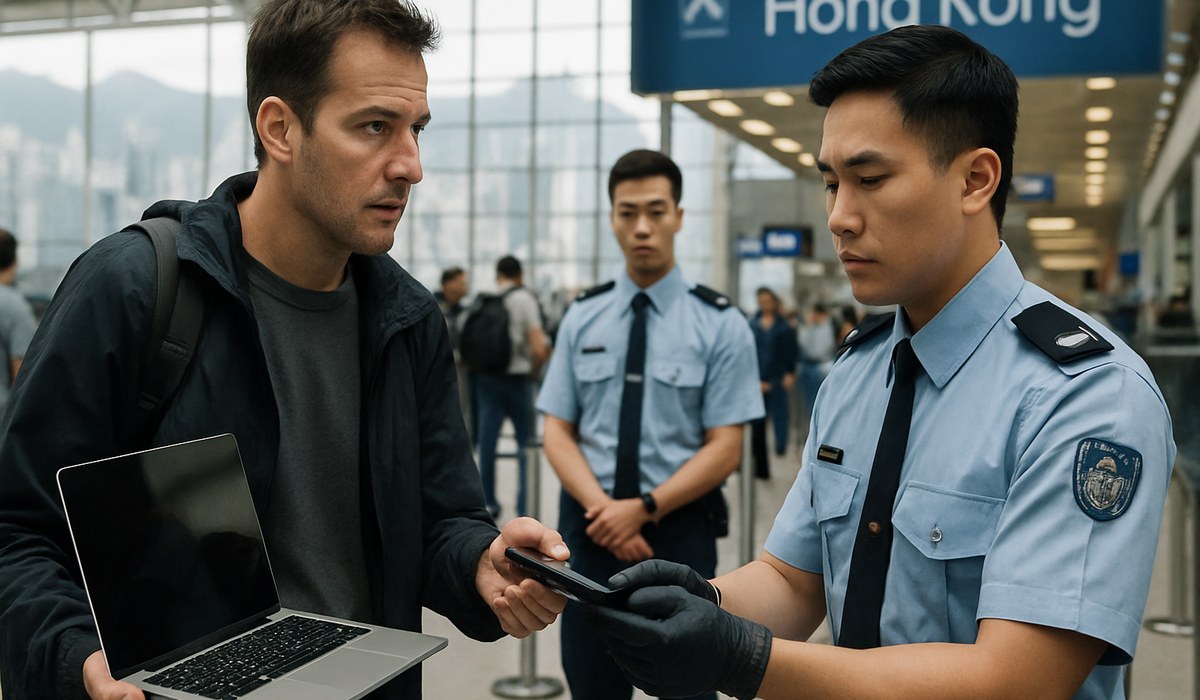
Image generated by AI
Quick Summary
- Hong Kong now requires arriving travelers to provide passwords for smartphones and laptops at immigration checkpoints
- Refusal to comply can result in denied entry, device confiscation, or deportation
- Business travelers and journalists face the highest risk of data exposure under the new regulation
- The law applies to all international arrivals, regardless of nationality or visa status
Your smartphone password could soon become a mandatory surrender at Hong Kong's airport—or you won't be allowed to enter one of Asia's busiest travel hubs. A sweeping security law that took effect in March 2026 gives customs officers the authority to demand full access to personal electronic devices from international arrivals. The regulation represents the most invasive digital border screening policy implemented by any major aviation gateway this year, surpassing measures in countries with already-strict data policies.
Hong Kong International Airport processes more than 70 million passengers annually, making this policy relevant to business travelers, tourists, and transit passengers alike. Unlike voluntary device inspections conducted in some jurisdictions, compliance here isn't optional. Immigration authorities can deny entry to anyone refusing to unlock their phone or laptop, effectively closing the door to one of the world's premier financial centers. This development joins a pattern of stricter border control measures emerging worldwide, though none match Hong Kong's scope for digital intrusion.
The timing coincides with broader geopolitical tensions affecting aviation throughout the Asia-Pacific region. While ongoing flight disruptions affecting Asia-Pacific routes have already complicated travel planning, this password mandate adds a privacy dimension that concerns civil liberties organizations and corporate security teams equally.
What Hong Kong's New Device Password Law Actually Requires
The regulation grants immigration officers unrestricted authority to examine the contents of any electronic device carried by arriving passengers. This includes smartphones, tablets, laptops, external hard drives, USB storage devices, and even smartwatches with data storage capacity. Officers can demand passwords, PIN codes, biometric unlocks, and encryption keys without needing to demonstrate reasonable suspicion or provide justification for the search.
According to statements from Hong Kong's Security Bureau, the measure aims to combat terrorism financing, drug trafficking, and organized crime networks. Authorities claim that encrypted devices have hindered investigations and that routine digital screening brings Hong Kong in line with national security priorities. However, global travel security standards established by international tourism organizations typically balance security needs with privacy protections—a balance critics argue this law abandons.
Once a device is unlocked, officers can review messages, emails, photos, browsing history, social media accounts, cloud storage access, and installed applications. They may photograph or copy content deemed relevant to an investigation. No time limit restricts how long officers can retain a device for examination, and travelers have reported waits exceeding three hours in secondary screening areas.
The law contains no provisions for attorney presence, nor does it require officers to obtain warrants before conducting searches. Travelers cannot refuse on the grounds that devices contain attorney-client privileged information, medical records, or confidential business data. Foreign diplomats receive exemptions under international treaty obligations, but business executives, journalists, and academics have no such protection.
Which Travelers Are Most Affected by the Digital Screening Policy
Business professionals carrying proprietary company information face the most significant exposure. Corporate laptops typically contain strategic plans, unreleased financial data, client lists, and intellectual property that competitors would find valuable. A senior executive traveling for merger negotiations could inadvertently expose deal terms to government scrutiny. Technology companies have begun issuing travel advisories to employees, recommending "clean" devices with no access to corporate networks when visiting Hong Kong.
Journalists represent another high-risk category. Reporters covering sensitive topics in mainland China often route through Hong Kong, and device searches could reveal confidential sources, unpublished investigations, or communication with dissidents. Press freedom organizations have documented cases where immigration officials detained journalists for hours while forensically imaging their devices, effectively compromising source protection that underpins investigative reporting.
Legal professionals handling cross-border cases encounter similar dilemmas. Attorney-client privilege—a cornerstone of legal systems worldwide—receives no recognition under the Hong Kong screening policy. Lawyers representing clients in international arbitration or intellectual property disputes must now assume that confidential case strategies could be accessed by government officials.
Tourists face lower but non-zero risks. Personal photos, private messages, and social media history become open books. Travelers who have criticized China's government online or participated in political advocacy may find themselves subjected to enhanced questioning or denied entry altogether. Travel industry analysts note that leisure bookings to Hong Kong have declined 12% since the law was announced in January, with the steepest drops among European and North American travelers.
Transit passengers initially appeared exempt, but updated guidelines released in mid-March clarified that anyone passing through immigration—even those connecting to onward flights—must comply if selected for screening. This effectively eliminates Hong Kong as a safe hub for travelers carrying sensitive data to other Asian destinations.
How to Protect Your Personal Data Before Traveling to Hong Kong
Security professionals recommend traveling with purpose-bought devices that contain no personal or proprietary information. A factory-reset smartphone loaded only with essential apps for the trip creates minimal exposure. Once through immigration, travelers can access cloud-based data through VPN connections, though China's broader internet restrictions may complicate this approach.
For those who must bring work devices, creating segregated user profiles helps compartmentalize sensitive information. Most modern laptops and smartphones support guest accounts or temporary profiles that lack access to email accounts, corporate networks, or encrypted storage volumes. This approach doesn't prevent device searches but limits what officers can realistically access during airport screenings.
Encryption poses a complicated question. While encrypted containers might protect specific files, refusing to provide decryption keys typically triggers automatic denial of entry. Some travelers have adopted a strategy of storing data on remote servers and traveling with devices that contain only credentials to access that information—effectively making the physical device a terminal rather than a data repository.
Backing up devices before departure allows travelers to factory-reset upon landing in Hong Kong, then restore data after clearing immigration. This method proves impractical for shorter trips but offers protection for extended stays. Travelers should remember that cloud backup services may store data on servers within Chinese jurisdiction, potentially negating the protection this strategy intends to provide.
Corporate security teams have begun issuing "loaner" devices specifically configured for China travel. These machines contain only the minimal software needed for business meetings, with no access to internal company networks or confidential project files. After trips conclude, devices undergo security audits to detect any tampering or malware installation that might have occurred during customs inspections.
Comparing Hong Kong's Law to Digital Border Policies in Other Countries
The United States allows border officers to search electronic devices without warrants, but policies distinguish between basic device searches and forensic examinations. A 2021 court ruling established that forensic searches—those involving specialized software to recover deleted files or access encrypted data—require reasonable suspicion of illegal activity. Hong Kong's blanket policy contains no such threshold.
Australia implemented controversial data access laws in 2018 that permit officials to compel password disclosure, but primarily target individuals already under criminal investigation rather than random travelers at airports. Failure to comply can result in criminal charges, yet the law applies selectively rather than to every arriving passenger.
New Zealand conducts device searches at borders but must demonstrate cause related to customs violations or security threats. Officers cannot demand social media passwords or cloud storage access without meeting evidentiary standards. As BBC Travel reported, these jurisdictions balance security prerogatives with privacy expectations in ways that Hong Kong's policy does not.
European Union member states generally prohibit suspicionless device searches at borders. The EU's General Data Protection Regulation (GDPR) establishes strong privacy safeguards that limit government access to personal data without judicial oversight. While member states can implement security measures at borders, blanket device searches would likely violate GDPR principles and face court challenges.
Singapore, often compared to Hong Kong for its aviation hub status and financial services sector, conducts targeted device searches but doesn't mandate password disclosure for every arriving traveler. Officials must articulate specific security concerns before demanding device access, and travelers can request documentation of the legal basis for searches.
The trend toward digital border screening has accelerated globally, but Hong Kong's approach remains uniquely comprehensive. Whether this triggers 'Do Not Travel' warnings from Western governments remains uncertain, though several European foreign ministries have updated travel advisories to note the privacy implications for business travelers.
FAQ: Hong Kong Password Law for Travelers
Do I have to unlock my phone if I'm just transiting through Hong Kong?
Yes. Updated guidelines confirm that transit passengers passing through immigration checkpoints must comply with device screening requests. Only airside transit passengers who remain in international zones avoid this requirement, but many connecting flights require clearing immigration.
What happens if I refuse to provide my password?
Immigration officers can deny you entry to Hong Kong, confiscate your device, and place you on the next available flight to your origin point. Repeat refusals may result in travel bans preventing future visits. There are no legal provisions for appealing screening decisions at the border.
Can I travel with a completely empty device and download everything after clearing customs?
Technically yes, though arriving with a factory-reset device may trigger additional scrutiny about your travel purpose. Officials can still access cloud accounts if you log in while the device is in their possession, so wait until you're through immigration before restoring data.
Are certain professions exempt from the password requirement?
Only accredited diplomats carrying diplomatic passports receive exemptions under international law. Journalists, lawyers, doctors, and business executives have no special status and must comply like any other traveler regardless of confidentiality concerns in their work.
Has any country issued travel warnings about this law?
Several Western governments have updated travel advisories to warn citizens about the privacy implications. While not yet classified as formal travel warnings, guidance documents from U.S., Canadian, British, and Australian authorities specifically mention the password law and recommend carrying minimal data when visiting Hong Kong.
Related Articles:
Disclaimer
This article is for informational and educational purposes only. It does not constitute legal, financial, or professional advice. While we strive to provide accurate and up-to-date information, travel policies, regulations, and conditions change rapidly. Always verify information with official sources before making travel decisions. Nomad Lawyer makes no representations about the accuracy, reliability, completeness, or suitability of the information provided. Readers should consult qualified professionals for advice specific to their circumstances. The views expressed in this article are those of the author and do not necessarily reflect the views of Nomad Lawyer.
Preeti Gunjan
Contributor & Community Manager
A passionate traveller and community builder. Preeti helps grow the Nomad Lawyer community, fostering engagement and bringing the reader experience to life.
Learn more about our team →