
Boeing's Next-Generation 777X Offers Dramatically Extended Range, Signaling Major Shift in Long-Haul Aviation
Breaking airline news and aviation industry updates for 2026.

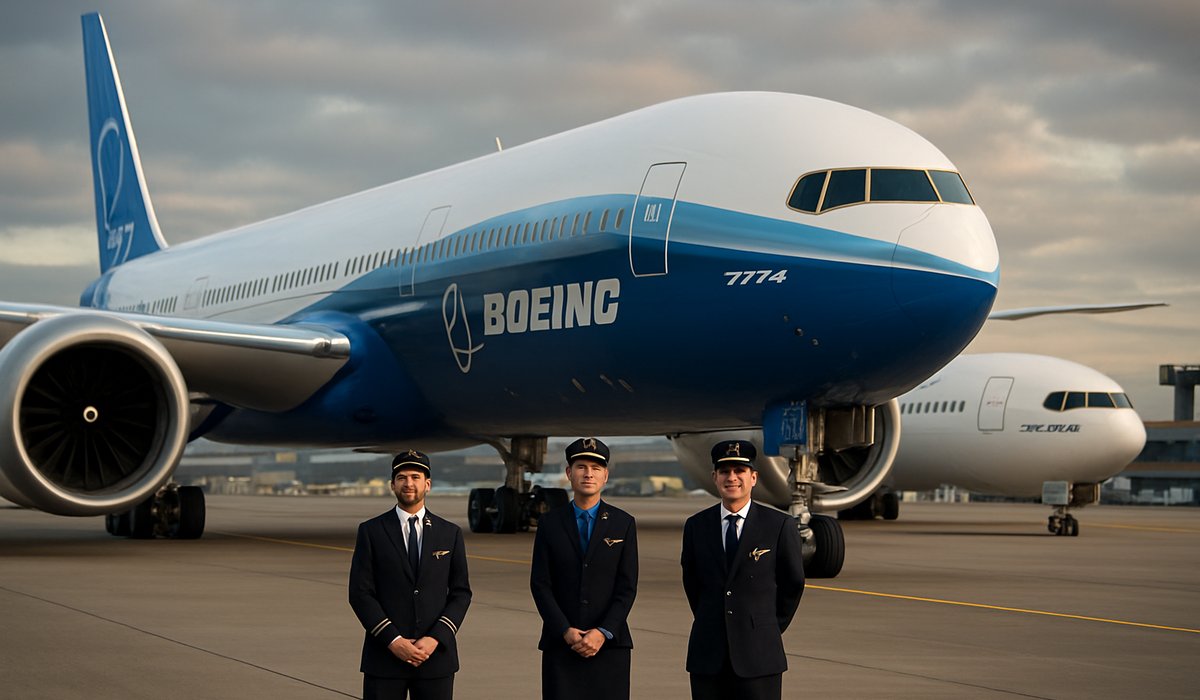
Image generated by AI
Boeing's Next-Generation 777X Offers Dramatically Extended Range, Signaling Major Shift in Long-Haul Aviation
New wide-body aircraft promises 12% fuel efficiency gains and unprecedented operational flexibility for global carriers
The Long-Awaited Successor Takes Flight
After more than a decade of development, Boeing's revolutionary 777X wide-body jet represents a fundamental upgrade to one of commercial aviation's most trusted workhorses. The new aircraft significantly extends the operational range capabilities compared to its predecessor, the 777-300ER, marking a watershed moment for long-haul aviation and reshaping how airlines manage their route networks and fuel costs.
Range Advantages: A Game Changer for Global Routes
The 777X delivers measurably superior range performance over the outgoing 777-300ER model, which has dominated international carriers' fleets since its introduction. This extended range capability stems from advanced aerodynamics, including the aircraft's signature folding winglets that reduce fuel consumption during long-distance missions. Airlines operating the new variant can now connect distant city pairs that previously required fuel stops or larger, less efficient aircraft.
The improved range translates directly to operational cost savings. With jet fuel prices remaining volatile due to geopolitical tensions and fluctuating crude oil markets, the 777X's enhanced fuel efficiency—approximately 12% better than earlier generations—offers carriers significant relief on their operational expenses. This advantage has direct implications for consumer travel costs, potentially moderating airfare increases that have plagued the industry in recent years.
Industry Context: Why This Matters Now
The aviation sector has faced mounting pressure to modernize its fleet amid rising jet fuel expenses and environmental regulations. Airlines globally have deferred aircraft orders during pandemic recovery periods, making the 777X's entry into service particularly timely. Carriers managing baggage fees, seat charges, and ancillary revenue streams are increasingly focused on unit economics—and fuel efficiency directly impacts these calculations.
The transition from 777-300ER to 777X represents more than a technical upgrade. It reflects broader industry trends toward sustainability and operational optimization, especially as airlines compete for market share on premium long-haul routes where passengers increasingly expect modern, fuel-efficient aircraft.
The Road Ahead
Boeing's development timeline, spanning more than a decade since 2013, underscores the complexity of creating next-generation wide-body aircraft. As carriers begin integrating the 777X into their fleets, the aviation industry will likely see restructured route networks, with previously unprofitable ultra-long-haul services becoming viable and competitive.
Frequently Asked Questions
How much farther can the Boeing 777X fly compared to the 777-300ER? The 777X offers measurably superior range capabilities, though specific nautical mile differences depend on payload and configuration. The primary advantage comes from approximately 12% improved fuel efficiency, allowing extended operations on existing routes.
How do improved aircraft ranges affect airline baggage fees and ticket prices? Better fuel efficiency reduces operational costs per flight, potentially moderating the need for airlines to increase ancillary fees. However, competitive pricing dynamics and other factors also influence final consumer costs.
What impact do jet fuel prices have on aircraft range requirements? Rising jet fuel costs incentivize airlines to prioritize fuel-efficient aircraft like the 777X, making extended-range capabilities more valuable for maintaining profitability on long-haul routes.
When will the Boeing 777X enter regular airline service? After extensive development since 2013, the aircraft is progressing through certification phases, with commercial operations expected to begin as carriers take delivery of their orders.
Why is the 777X important for the aviation industry? The 777X addresses critical industry needs: fuel efficiency, extended range, and reduced operating costs—essential advantages as airlines navigate volatile fuel markets and environmental pressures.
Related Travel Guides
Flight Delay Compensation Guide 2026
Understanding Airline Route Changes
Airport Security Process Updated (2026)
External Resources
Disclaimer
This article is for informational and educational purposes only. It does not constitute legal, financial, or professional advice. While we strive to provide accurate and up-to-date information, travel policies, regulations, and conditions change rapidly. Always verify information with official sources before making travel decisions. Nomad Lawyer makes no representations about the accuracy, reliability, completeness, or suitability of the information provided. Readers should consult qualified professionals for advice specific to their circumstances. The views expressed in this article are those of the author and do not necessarily reflect the views of Nomad Lawyer.
Kunal K Choudhary
Co-Founder & Contributor
A passionate traveller and tech enthusiast. Kunal contributes to the vision and growth of Nomad Lawyer, bringing fresh perspectives and driving the community forward.
Learn more about our team →