
Southwest Airlines Pilot Sustains Head Injury After In-Cockpit Display Malfunction During Takeoff
Breaking airline news and aviation industry updates for 2026.

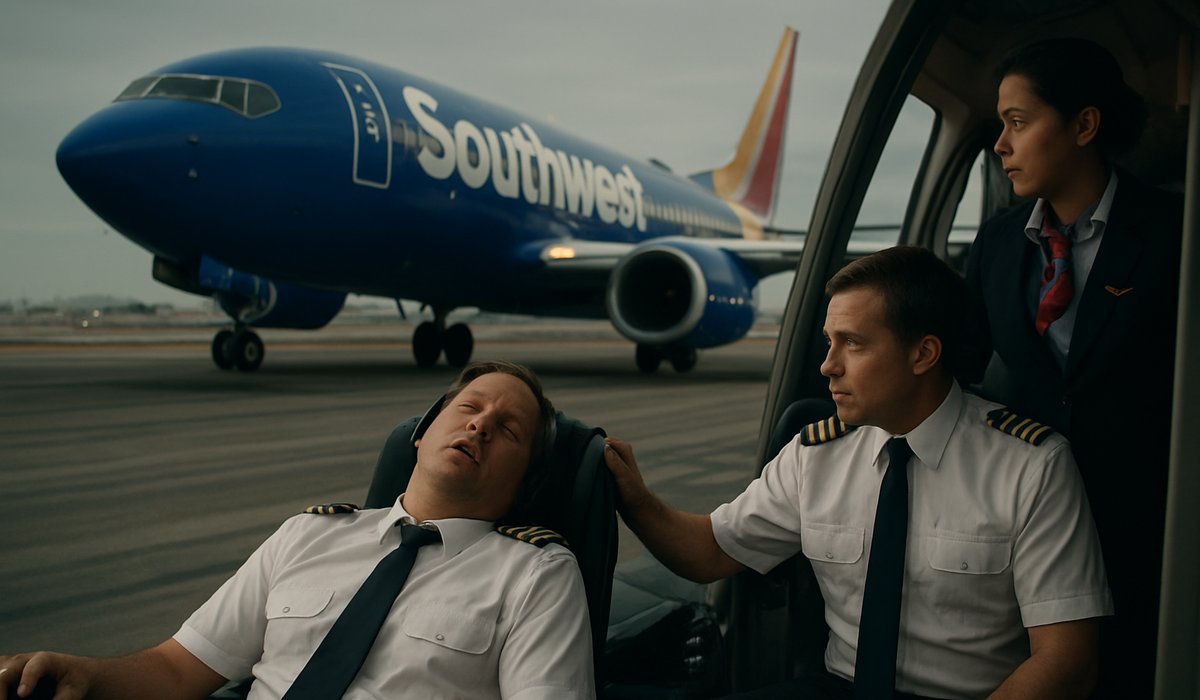
Image generated by AI
Southwest Airlines Pilot Sustains Head Injury After In-Cockpit Display Malfunction During Takeoff
Critical safety incident highlights persistent equipment maintenance concerns in commercial aviation
Equipment Failure Forces Emergency Response Mid-Flight
A Southwest Airlines captain was incapacitated by a detached heads-up display (HUD) that struck him forcefully during takeoff, raising fresh questions about cockpit equipment standards and pre-flight safety protocols. The pilot sustained a concussion from the impact as the aircraft continued its initial climb, with the crew managing the situation while the captain recovered from the unexpected injury.
The incident occurred during a routine departure, when the instrumental display—a critical piece of avionics equipment mounted in the cockpit—unexpectedly came loose and struck the pilot. While the aircraft maintained its designated climb profile and no passengers were reported injured, the event underscores vulnerabilities in commercial aviation's mechanical oversight systems.
Pilot Recovers as Aircraft Continues Safe Ascent
Despite the severity of the impact, the Southwest captain remained conscious and the flight proceeded without further incident. The heads-up display, which projects essential flight data and navigation information directly into the pilot's line of sight, is typically secured with redundant fastening mechanisms designed to prevent such failures.
The aircraft completed its flight plan successfully, though the incident triggered immediate investigation by Southwest Airlines and aviation safety authorities. The Federal Aviation Administration (FAA) has not yet released detailed findings regarding the root cause of the equipment failure or whether maintenance records indicate prior concerns with the specific aircraft's HUD assembly.
Systemic Concerns Emerge in Cockpit Safety Standards
This occurrence adds to growing industry scrutiny over equipment durability and maintenance cycles. Commercial aviation regulatory bodies maintain strict certification standards for cockpit avionics, yet occasional mechanical failures continue to expose gaps between manufacturer specifications and real-world operational demands.
"The safety of our crew and passengers remains our highest priority," Southwest Airlines indicated regarding the incident, though the carrier has not released comprehensive details about corrective measures or whether similar HUD installations across its fleet will undergo expedited inspections.
Aviation safety experts note that while catastrophic cockpit malfunctions remain statistically rare, preventive maintenance protocols and equipment redundancy systems are essential safeguards. The incident serves as a reminder that even minor component failures can create serious mid-flight challenges when safety-critical systems are involved.
The FAA's ongoing investigation will determine whether additional airworthiness directives should be issued to operators of similar aircraft types, potentially affecting multiple carriers across the commercial aviation sector.
FAQ: Aviation Equipment Safety and Pilot Incidents
What is a heads-up display in aircraft, and why is it critical? A heads-up display (HUD) projects essential flight information directly into the pilot's forward field of vision, eliminating the need to look down at instrument panels. This technology is crucial for situational awareness and flight safety.
How common are in-flight cockpit equipment failures? While modern commercial aviation maintains exceptional safety records, equipment malfunctions do occur. Most are prevented through redundant systems and rigorous pre-flight inspections, though rare incidents like this Southwest case demonstrate that vulnerabilities can exist.
What safety protocols exist to prevent pilot incapacitation during flight? Commercial aircraft operate with two-pilot crews specifically to ensure that if one pilot becomes incapacitated, the second can maintain safe flight operations. This design principle proved effective during this incident.
Will this incident trigger broader aviation safety reviews? The FAA typically investigates such incidents thoroughly and may issue airworthiness directives if systemic issues are identified across aircraft fleets, affecting maintenance and operational procedures industry-wide.
How do airlines typically respond to equipment failure incidents? Carriers conduct internal investigations, implement corrective maintenance, and coordinate with manufacturers and regulators to prevent recurrence and ensure fleet-wide safety compliance.
Related Travel Guides
Flight Delay Compensation Guide 2026
Understanding Airline Route Changes
Airport Security Process Updated (2026)
External Resources
Disclaimer
This article is for informational and educational purposes only. It does not constitute legal, financial, or professional advice. While we strive to provide accurate and up-to-date information, travel policies, regulations, and conditions change rapidly. Always verify information with official sources before making travel decisions. Nomad Lawyer makes no representations about the accuracy, reliability, completeness, or suitability of the information provided. Readers should consult qualified professionals for advice specific to their circumstances. The views expressed in this article are those of the author and do not necessarily reflect the views of Nomad Lawyer.
Kunal K Choudhary
Co-Founder & Contributor
A passionate traveller and tech enthusiast. Kunal contributes to the vision and growth of Nomad Lawyer, bringing fresh perspectives and driving the community forward.
Learn more about our team →