
Havana and Trinidad Drive Cuba's Shift to Immersive Cultural Tourism Amid 2026 Economic Crisis
Cuba is pivoting toward immersive cultural travel in Havana and Trinidad as fuel shortages and economic instability impact traditional resort tourism in 2026.

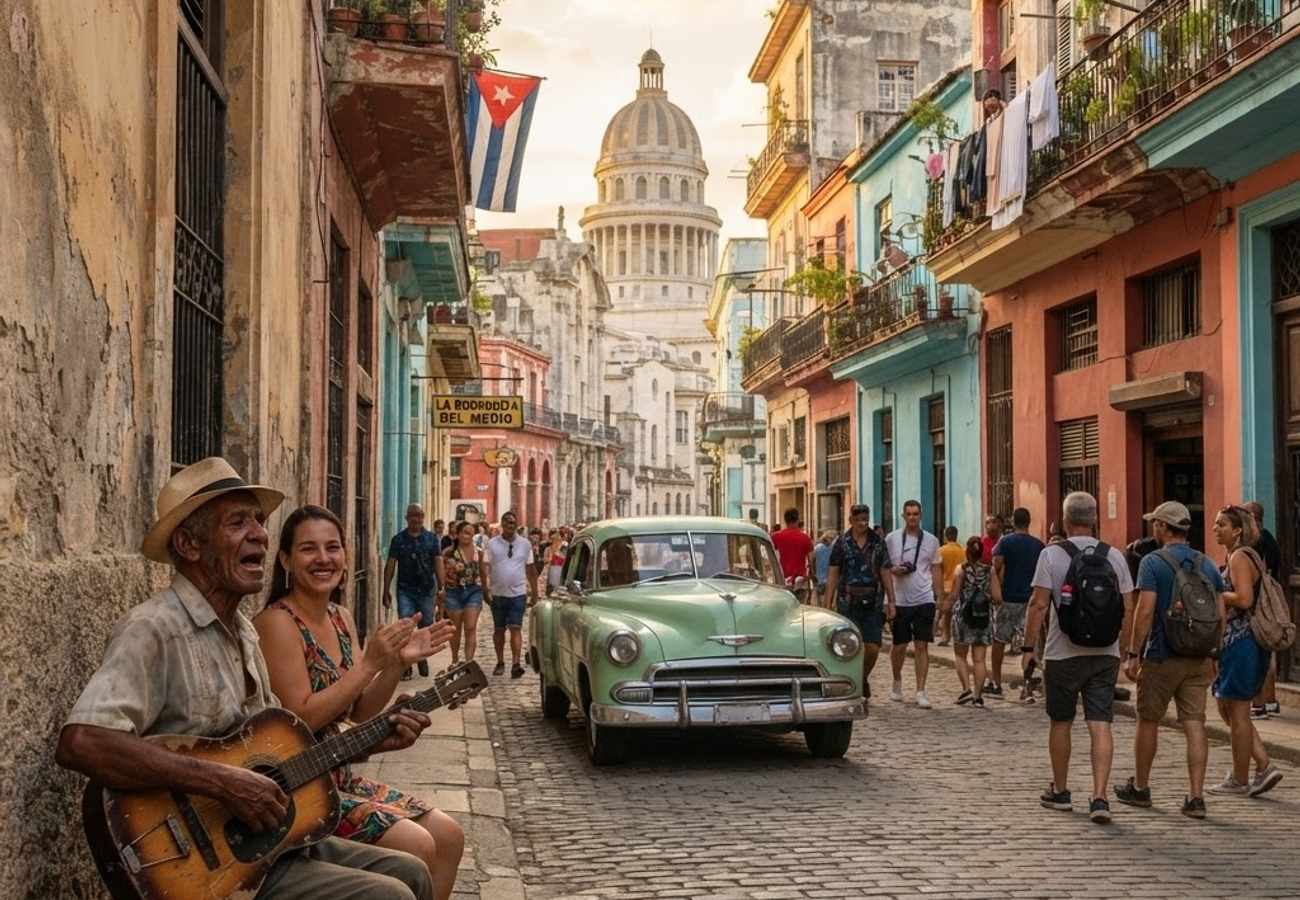
Image generated by AI
Only 328,608 foreign visitors entered Cuba during the opening months of 2026, a stark decline driven by severe fuel shortages and systemic economic instability. As traditional all-inclusive resort models falter, the nation is seeing a strategic pivot toward immersive, community-based cultural tourism centered in the historic hubs of Havana and Trinidad.
The Cuban tourism landscape is currently undergoing a forced evolution. While the early part of 2026 was defined by flight cancellations and logistical breakdowns, a resilient sector of privately owned enterprises is emerging as the primary driver of the tourist economy. This shift moves the visitor experience away from isolated hotels and toward the authentic, urban fabric of Cuba's most historic cities.
Old Havana Integrates Colonial Heritage With Modern Urban Life
La Habana Vieja, known as Old Havana, remains the epicenter of the country's heritage offerings. The district is characterized by a dense concentration of colonial architecture, public plazas, and museums that allow for an entirely pedestrian-based exploration.
UNESCO recognizes the fortification system and the urban core of Old Havana as a premier example of integrated conservation. This approach ensures that restoration efforts are not merely aesthetic but are linked to social programming and community welfare. For the modern traveler, this means the city functions as a living museum rather than a static exhibit.
Key walking circuits typically connect the following landmarks:
- Plaza de la Catedral
- Plaza Vieja
- Plaza de Armas
- Plaza de San Francisco
Beyond the architecture, the neighborhood serves as a gateway to Cuba's auditory heritage. The transition from daytime sightseeing to evening itineraries often involves live son and salsa performances in neighborhood venues, embedding the visitor in the local rhythmic culture.
Private Accommodations and the Rise of Casas Particulares
The traditional hotel model is being challenged by the growth of casas particulares—privately operated guesthouses. These establishments range from single spare rooms in family homes to full-scale independent boutique operations.
By opting for these residential stays, travelers gain immediate access to the daily rhythms of Cuban life, placing them within walking distance of neighborhood markets, local cafés, and authentic street interactions. However, this sector is not immune to the broader economic crisis. Reports from June 2026 indicate that many privately owned hostels and eateries are struggling due to the sharp drop in international arrivals and chronic supply chain shortages.
For those planning a visit, this creates a necessity for direct communication with hosts to verify current operating conditions and availability before arrival.
Paladares and the Evolution of Cuban Culinary Travel
The culinary landscape is similarly shifting toward paladares, which are privately run restaurants. These venues offer a spectrum of experiences, from intimate family dining rooms to upscale establishments that fuse traditional Cuban ingredients with international techniques.
A food-centric itinerary in Havana typically emphasizes:
- Local Proteins: Fresh seafood, slow-roasted pork, and tropical poultry.
- Staples: Rice, black beans, and plantains.
- Entrepreneurial Spirit: Direct interaction with the local chefs and business owners who manage these spaces.
It is important for visitors to maintain flexible expectations. Due to the current logistical climate, menu availability often fluctuates based on what is physically available in the markets, meaning consistency is rarely guaranteed.
Trinidad and the Preservation of the Sugar Era
While Havana represents the urban pulse, Trinidad offers a preserved glimpse into Cuba's colonial agrarian past. Founded in the 16th century, the city's wealth was built on the sugar trade, a history still visible in the surrounding Valley de los Ingenios.
Inscribed as a UNESCO World Heritage site in 1988, Trinidad is characterized by its cobbled streets and vibrant façades. The city is compact, making it ideal for foot travel, while the nearby Valley de los Ingenios provides a broader perspective on the plantation systems and former sugar mills that shaped the region.
UNESCO Initiatives for Sustainable Tourism in Trinidad
To combat the economic downturn, UNESCO introduced a Cultural Projects Accelerator for Sustainable Tourism in Trinidad and the Valley de los Ingenios in June 2026. This initiative provides critical microfinancing and professional mentoring for local creative projects.
The goal is to diversify the tourist experience beyond simple sightseeing. By documenting traditional crafts, music, and ancestral knowledge, the program encourages visitors to engage with the people maintaining the city's living heritage. This shift toward "responsible tourism" aims to create sustainable income streams for the local population while preserving the site's integrity.
The Central Role of Music in the Cuban Experience
Music is not merely an attraction in Cuba; it is the primary lens through which the culture is understood. From the rumba drums of Havana's streets to the formal stages of established performance halls, music remains the most consistent draw for international visitors.
The integration of music into a broader itinerary—combining a morning of architectural exploration with an evening of dance—is now seen as the gold standard for immersive travel. UNESCO has explicitly identified these creative industries as essential assets for the long-term sustainability of the Cuban tourism sector.
Designing an Immersive Cuban Itinerary
For travelers seeking a deep dive into the country's current state, a balanced itinerary now focuses on these core pillars:
| Region | Primary Focus | Key Experiences |
|---|---|---|
| Old Havana | Urban Heritage | Plazas, Museums, Colonial Architecture |
| Havana Neighborhoods | Local Life | Casas Particulares, Paladares, Street Art |
| Trinidad | Colonial History | Cobbled Streets, Traditional Crafts, UNESCO Sites |
| Valley de los Ingenios | Agrarian Legacy | Sugar Mills, Plantation Landscapes |
| Nationwide | Auditory Culture | Live Salsa, Son, and Rumba Performances |
Why This Matters: The Traveler's Perspective
For the modern traveler, the shift from resorts to immersive cultural travel is not just a preference—it is a logistical necessity. With the decline of large-scale tourism infrastructure in 2026, the "resort bubble" is bursting. This creates a more authentic, albeit more unpredictable, experience.
From a logistical standpoint, this means travelers must transition from being "tourists" to "explorers." You can no longer rely on a centralized hotel concierge to manage your experience; instead, you must build relationships with casa owners and paladar chefs. This creates a higher level of "Information Gain" for the visitor, who leaves with a genuine understanding of Cuba's economic resilience and cultural depth rather than a sanitized version of the island.
The future of Cuban travel lies not in the luxury of the resort, but in the authenticity of the street.
Related Travel Guides
Disclaimer
This article is for informational and educational purposes only. It does not constitute legal, financial, or professional advice. While we strive to provide accurate and up-to-date information, travel policies, regulations, and conditions change rapidly. Always verify information with official sources before making travel decisions. Nomad Lawyer makes no representations about the accuracy, reliability, completeness, or suitability of the information provided. Readers should consult qualified professionals for advice specific to their circumstances. The views expressed in this article are those of the author and do not necessarily reflect the views of Nomad Lawyer.
Raushan Kumar
Founder & Lead Developer
Full-stack developer with 11+ years of experience and a passionate traveller. Raushan built Nomad Lawyer from the ground up with a vision to create the best travel and law experience on the web.
Learn more about our team →