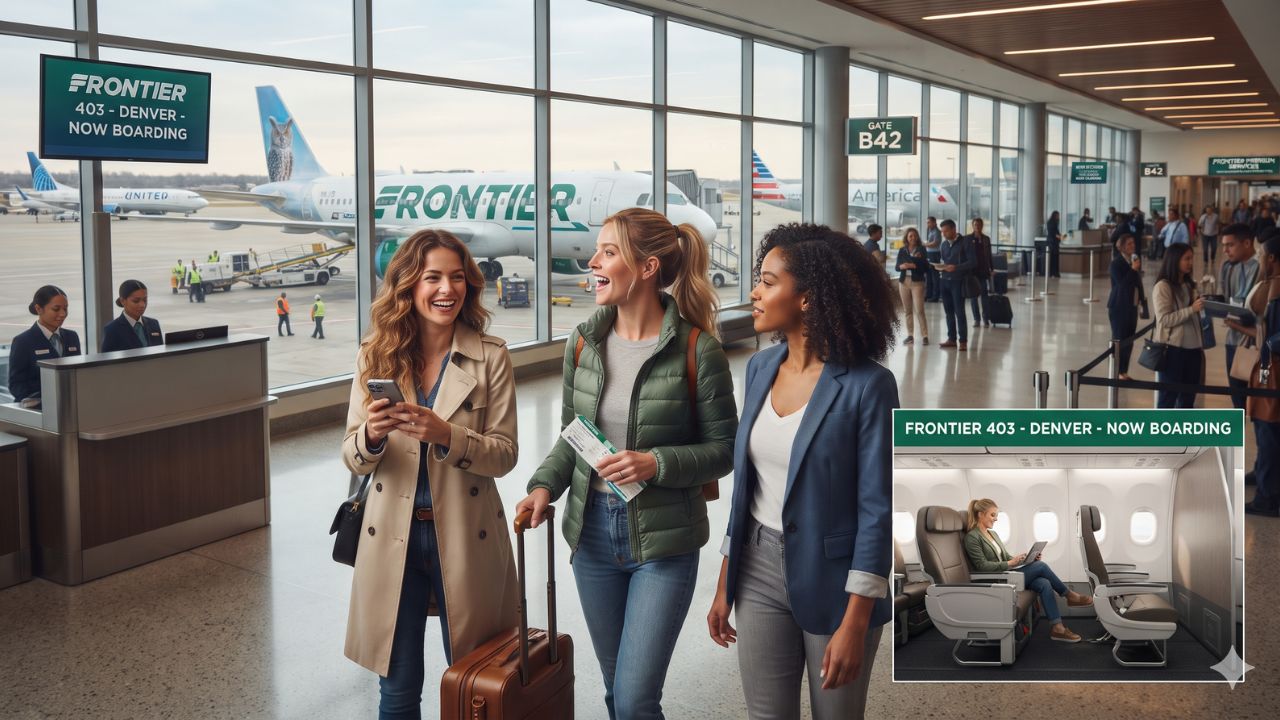
Hartsfield-Jackson Atlanta Airport Flight Chaos: 13 Suspensions, 6 Airlines Disrupted, North America Impacted June 8 2026


Image generated by AI
Atlanta's Busiest Airport Grinds to a Halt: 13 Flights Grounded, Six Major Carriers Scrambling
Hartsfield-Jackson International Airport descended into operational chaos on June 8, 2026, as six major airlines simultaneously suspended flights and battled cascading delays across their networks. The disruption wasn't contained to Georgia's tarmac—it rippled across more than 50 US cities and multiple international destinations, leaving thousands of passengers stranded and scrambling for alternatives.
The scale of the incident revealed a critical vulnerability in North America's most interconnected aviation hub. When one of the world's busiest airports hiccups, the entire continental flight network feels the tremor.
The Numbers Tell the Story
Frontier Airlines bore the brunt of the crisis, canceling 4 flights while managing 16 delayed departures. SkyWest Airlines followed with 3 cancellations and 12 delays, cementing a pattern of widespread operational breakdown.
Air Canada suspended 2 international flights with zero reported delays, suggesting hasty schedule management. Alaska Airlines, Endeavor Air, and American Airlines each contributed to the tally with suspensions ranging from 1 to 2 flights, though Endeavor Air alone tracked 16 delayed flights—a staggering figure that speaks to upstream congestion and domino-effect scheduling failures.
The airport itself recorded twin snapshots of devastation: 7 cancellations in one operational window, then 6 more hours later, painting a picture of sustained systemic failure rather than a single isolated incident.
A Continent Under Stress: Where Passengers Got Stranded
The disruption wasn't regional—it was continental.
Across the United States, traveler impact extended from coast to coast: Atlanta, Dallas–Fort Worth, Denver, Los Angeles, Chicago, Seattle, Washington DC, Boston, Miami, Houston, Newark, Minneapolis–Saint Paul, Phoenix, San Francisco, and dozens of secondary hubs saw cascading delays and rebooking chaos.
International airports in Toronto, Montreal, Calgary, Paris, Naples, Mexico City, San Juan, Montego Bay, and Bridgetown all absorbed the shockwaves. The geographic spread underscores how Hartsfield-Jackson functions as North America's central nervous system for air traffic—disrupt it, and the entire continent convulses.
Reddit: "Stuck at ATL for 8 hours with a canceled connection to Miami. The airline desk had no answers, just apologies." — r/flying
What Actually Happened: The Passenger Experience
When passengers arrived at gates expecting departure, they found only grim announcements and uncertainty. Email notifications came late. App updates lagged behind reality. Phone lines to airline customer service became functionally useless—busy signals and 45-minute waits were the norm.
Families missed connections. Business travelers lost entire days. International passengers faced cascading rebookings across multiple airlines and layovers. The human cost, though harder to quantify than statistics, shaped the lived experience of thousands who had legitimate places to be.
Airlines deployed standard crisis protocols: offering rebooking on later flights (which were themselves full), providing meal vouchers (of limited value), and extending apologies (worth nothing to someone missing a funeral).
Know Your Rights When Disruption Strikes
If your flight gets canceled, your instinct should be three-fold action:
Stay informed in real-time. Monitor your airline's app, email, and official website before calling customer service. FlightAware and other real-time tracking platforms often provide updates faster than carriers themselves.
Contact the airline immediately. Use phone lines, online chat, or in-person service desks in order of likely efficiency (chat often beats phone; in-person beats both if lines are reasonable). Request rebooking on the next available flight to your destination.
Know your legal protections. In the United States, airlines have broad discretion over compensation during operational disruptions, but many voluntarily offer travel vouchers, meal credits, and hotel accommodations for overnight delays. The European Union enforces mandatory compensation (up to €600) for certain cancellations—check your airline's policy.
Consider alternatives: trains, rental cars, or competing airline flights may get you to your destination faster than waiting for rebooking.
The Broader Lesson: Fragility at Scale
Modern air travel concentrates risk. Hartsfield-Jackson processed approximately 110 million passengers annually pre-2026, making it statistically the world's busiest airport. When one major hub falters, alternatives absorb demand they're not designed to handle, creating a cascade of secondary failures across the network.
This June 8 disruption wasn't caused by weather, a natural disaster, or a security incident—the precise trigger remains undocumented, but the result is clear: operational systems maintained by airlines and the FAA have thresholds, and once exceeded, recovery is neither swift nor predictable.
For travelers, the lesson is brutal: flexibility is insurance. Build buffer time between connections, maintain airline loyalty programs as safety nets, and accept that disruption isn't a matter of if but when.
Immediate Recommendations for Affected Passengers
Monitor your airline's website and app for rebooking confirmation and further updates. Do not assume your rescheduled flight will depart on time; treat each delay announcement as real-time intelligence.
Stay in contact with your destination—notify hotels, rental car companies, and meeting organizers of delays. Many hospitality providers can accommodate late arrivals if notified early.
If stranded overnight, request hotel accommodation from your airline before exiting the airport. Once you've left, recovery of costs becomes substantially more difficult.
Document everything: boarding passes, cancellation notices, receipts for meals and transportation. This record becomes essential if you pursue compensation through your credit card issuer or small claims.
Hartsfield-Jackson's June 8 disruption serves as a stark reminder that when aviation's backbone fractures, thousands feel the break.
Related Travel Guides
This article is for informational purposes. Flight routes, passenger regulations, visa rules, and transit advisories are subject to change by airlines and aviation authorities. Readers are advised to verify schedules and travel documentation with relevant carriers and border agencies before departure.
Related Stories
KLM Cancels Entire Dubai Winter Season Through March 2027: Schiphol Rebooking and Middle East Travel Guide
KLM and Singapore Airlines Extend Middle East Flight Cancellations Into 2027: Dubai and Riyadh Transit Guide