
Hainan Unveils Ten-Measure Cruise Policy to Transform China's Maritime Tourism Hub by 2027
The Hainan government has launched a strategic ten-point policy package to accelerate cruise industry growth, focusing on infrastructure expansion and new international routes connecting China with Southeast Asia.

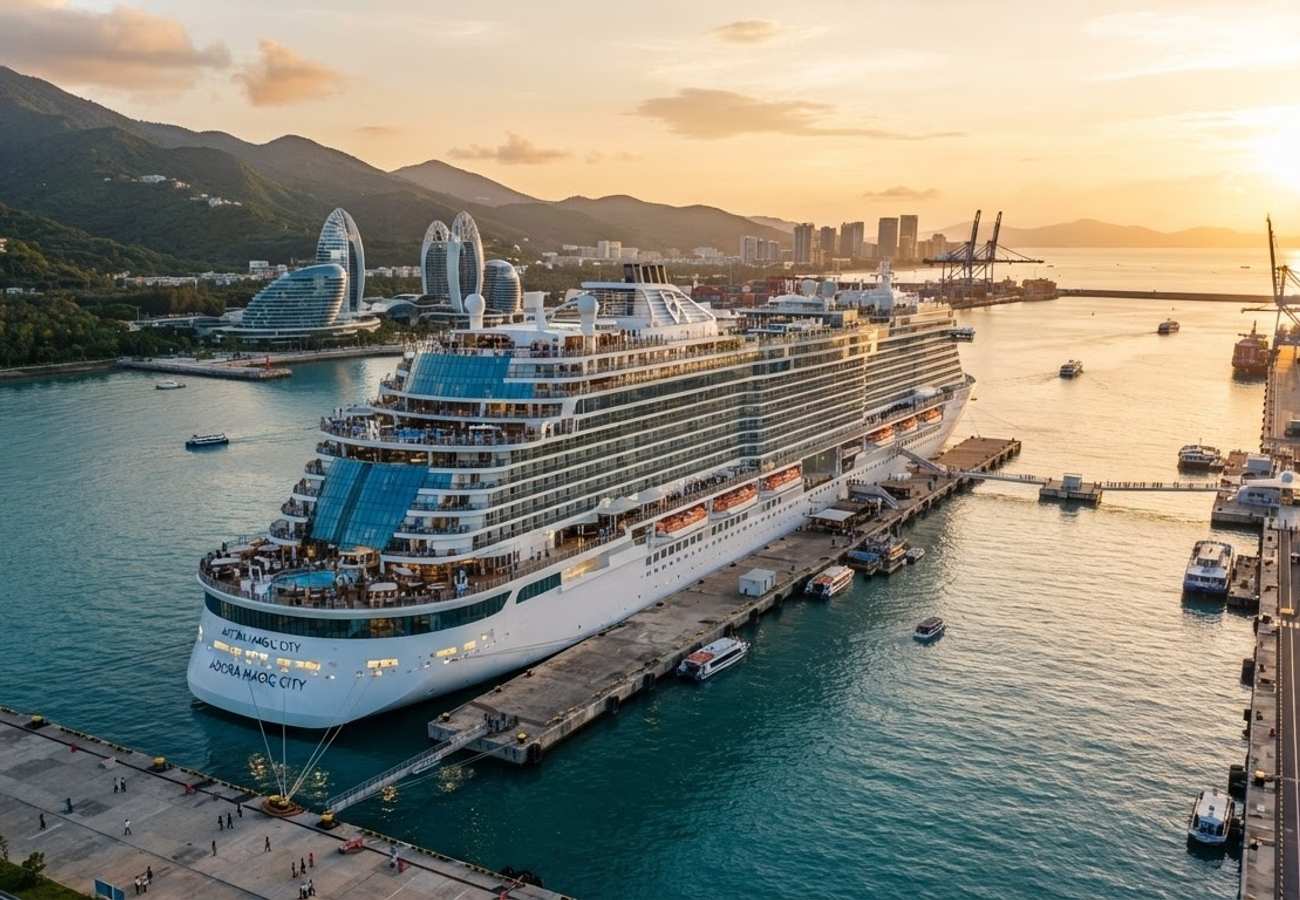
Image generated by AI
The Hainan government has implemented a comprehensive policy package comprising ten specific measures designed to pivot the island province into a primary Asian cruise hub. This strategic shift focuses on aggressive infrastructure scaling and the diversification of international itineraries.
The initiative, titled “Ten Measures to Speed up the Development of Hainan’s Cruise Industry,” targets four operational pillars: cruise product development, infrastructure upgrades, policy support, and the enhancement of safety and service standards. By leveraging its geographic proximity to major Asian maritime lanes, Hainan aims to tighten its integration with Southeast Asian markets.
Strategic Expansion and Route Development
The policy framework does not merely introduce new projects but reinforces existing high-traffic corridors while introducing themed travel concepts. Market analysis indicates a push toward "cultural tourism" at sea to differentiate Hainan from other regional hubs.
Key operational shifts include:
- Route Preservation: Continued support for established corridors, specifically Hong Kong–Sanya and Sanya–Vietnam.
- New Product Innovation: Development of themed itineraries, most notably the proposed “Maritime Silk Road” cruise route.
- Inter-Provincial Synergy: Active cooperation with Guangdong and Guangxi provinces to establish cross-provincial cruise networks.
- International Alliances: Strengthening diplomatic and commercial partnerships with cruise destinations in Malaysia, Singapore, Vietnam, Thailand, and Hong Kong.
Infrastructure Roadmap and Technical Specifications
To accommodate the next generation of mega-ships, Hainan is investing heavily in port capacity and logistical support. The ability to handle larger tonnage is the primary metric for the province's success in attracting global cruise lines.
The following infrastructure projects are currently in the pipeline:
| Project | Status/Detail | Target Completion/Goal |
|---|---|---|
| Sanya International Cruise Port | New 100,000-ton berth (Phase 1) | First half of 2027 |
| Haikou Nanhai Pearl Island | Cruise terminal planning | Ongoing |
| Haihua Island | Terminal project feasibility studies | Early stage |
| Sanya & Yangpu | Cruise supply centers | Planned |
| Bunker Fuel Facilities | Bonded fuel support | Planned |
Why This Matters: Industry Analysis
From a logistical perspective, the move to build a 100,000-ton berth in Sanya is the most critical element of this policy. Most modern "mega-ships" require deep-water berths and sophisticated turnaround facilities to be commercially viable. By removing these physical bottlenecks, Hainan is effectively lowering the barrier to entry for the world's largest cruise operators.
For travelers, the real impact is a shift in the regional center of gravity. Currently, many Asian cruises are centered around Singapore or Hong Kong. Hainan’s strategy to link with Malaysia, Thailand, and Vietnam suggests a goal to create a "Southern Loop" that reduces reliance on traditional hubs.
Our analysis of the route map suggests that the proposed “Maritime Silk Road” itinerary is an attempt to capture the high-spending luxury segment by blending historical narrative with modern cruise amenities. This moves the industry away from generic "island hopping" toward curated, high-value experiences.
Forward Outlook
The immediate future will see a gradual rollout of new itineraries as the infrastructure catches up to the policy ambitions. While current bookings remain unaffected, the 2027 completion of the Sanya berth will likely trigger a surge in ship deployments from international lines.
Industry observers expect a ripple effect across coastal communities in Southeast Asia, as increased port calls in Hainan necessitate more frequent stops in neighboring Thailand and Vietnam. The success of this policy depends entirely on the speed of construction and the ability of Hainan to streamline immigration and visa processes for international passengers.
Hainan is positioning itself not just as a stopover, but as the primary gateway for the next decade of Asian maritime travel.
Related Travel Guides
Disclaimer
This article is for informational and educational purposes only. It does not constitute legal, financial, or professional advice. While we strive to provide accurate and up-to-date information, travel policies, regulations, and conditions change rapidly. Always verify information with official sources before making travel decisions. Nomad Lawyer makes no representations about the accuracy, reliability, completeness, or suitability of the information provided. Readers should consult qualified professionals for advice specific to their circumstances. The views expressed in this article are those of the author and do not necessarily reflect the views of Nomad Lawyer.
Raushan Kumar
Founder & Lead Developer
Full-stack developer with 11+ years of experience and a passionate traveller. Raushan built Nomad Lawyer from the ground up with a vision to create the best travel and law experience on the web.
Learn more about our team →