
Cruise Ships Rocked by Magnitude 6.1 Earthquake off Cuba Coast
A magnitude 6.1 earthquake—Cuba's strongest in over 100 years—rattled cruise ships across the Caribbean on June 8, 2026. Multiple vessels near the epicenter reported shaking, but no operational disruptions or damage were confirmed.

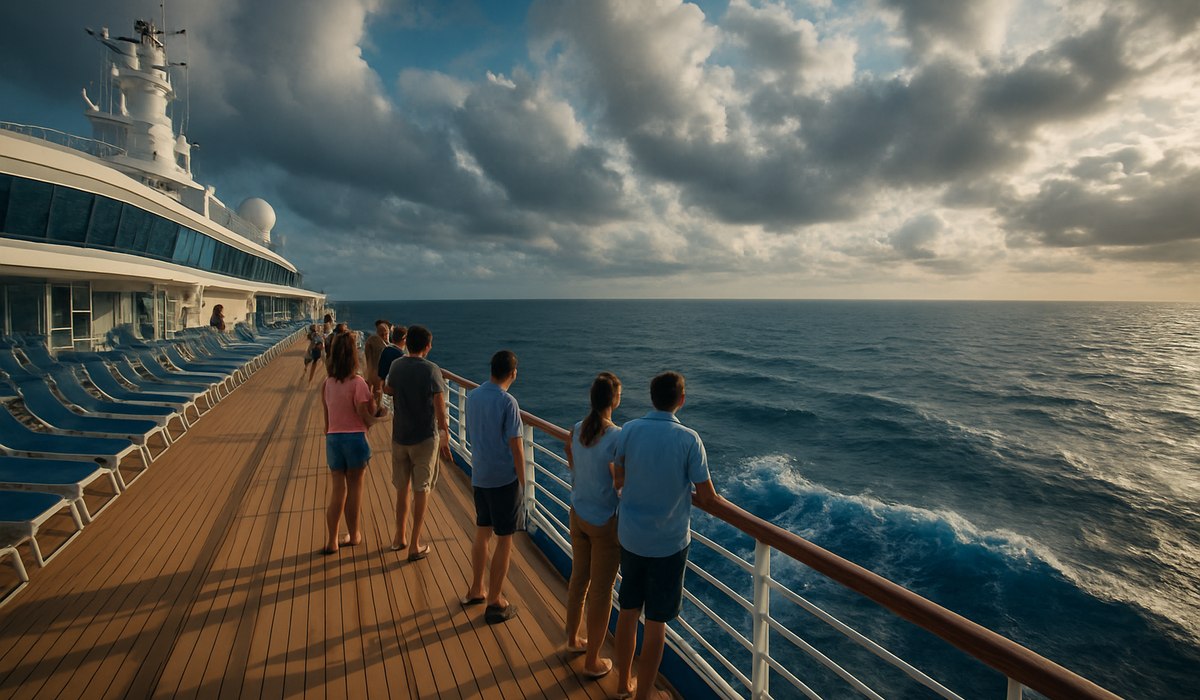
Image generated by AI
Magnitude 6.1 Earthquake Strikes Cuba's Northwestern Coast
A powerful magnitude 6.1 earthquake rattled the Caribbean on June 8, 2026, marking Cuba's strongest seismic event in over a century. The tremor struck near the northwestern coast of Cuba, approximately 65 miles west-northwest of Mantua in Pinar del Río province, at roughly 2 p.m. EDT. According to the United States Geological Survey (USGS), this represents the largest instrumentally recorded earthquake in the Gulf of America since 1950. Despite the considerable size, cruise ships rocked by the event continued operations normally, with no significant damage reported across the region.
The earthquake occurred at a shallow depth of 26 kilometers beneath the Gulf of America, resulting from reverse faulting within the North America plate. Seismic activity of this magnitude had not impacted Cuba since the 1880 earthquake near San Cristobal, which caused building damage and fatalities on the island. The 2026 event underscores how modern cruise infrastructure and vessel design effectively withstand major seismic events, protecting thousands of passengers simultaneously at sea.
What Caused the Seismic Event
The June 8 earthquake emerged from complex geological forces operating within the North America plate's interior. The USGS classified this as an intraplate earthquake, occurring roughly 400–450 kilometers north of the closest active plate boundary separating the North America and Caribbean plates. This classification explains why the event felt strong across such a wide geographic area, from Florida to Mexico, despite occurring within a single continental plate rather than at a plate boundary.
Reverse faulting mechanisms drove the seismic rupture, causing crustal material to compress and shift upward. This geological process differs from the strike-slip or extensional earthquakes common along major plate boundaries. The shallow focal depth amplified ground shaking felt aboard cruise ships rocked by the tremor, as energy propagated efficiently through both the water column and air. Scientists note that intraplate earthquakes of this magnitude occur infrequently, making this 2026 event statistically significant for Caribbean seismic research.
Understanding earthquake mechanics helps travelers contextualize maritime safety. Modern cruise vessels incorporate advanced stabilization technology and flexible structural designs engineered to dissipate seismic energy. The USGS earthquake hazards program provides detailed data on tectonic activity affecting cruise destinations worldwide.
Impact on Cruise Operations and Travel
Despite the considerable magnitude, cruise operations across the Caribbean experienced zero service interruptions. Multiple vessels reported feeling the shaking, including Margaritaville at Sea's Islander and Norwegian Cruise Line's Norwegian Escape, both sailing near the epicenter. Passengers aboard these ships described noticeable movement, with some initially concerned about structural integrity. Ship captains promptly communicated via intercom systems, assuring guests of vessel safety and explaining the seismic nature of the event.
Major Florida cruise ports—including PortMiami, Port Canaveral, and Port Tampa Bay—felt tremors but sustained no damage. At the time of the earthquake, seven cruise ships occupied PortMiami for turnaround operations, including Freedom of the Seas, Wonder of the Seas, and multiple Carnival vessels. Port Canaveral hosted Utopia of the Seas, Disney Wish, and Carnival Glory. All ships remained secure at their terminals, and embarkation and disembarkation schedules continued without delays.
Ships docked at Caribbean ports during the earthquake included Disney Destiny, Carnival Jubilee, and Carnival Breeze at Cozumel, plus Royal Caribbean's Radiance of the Seas and Enchantment of the Seas at Costa Maya. The shaking even reached Cancun and the Riviera Maya, though no docked vessels sustained damage. This incident demonstrates how modern cruise infrastructure withstands significant seismic stress, protecting passengers and maintaining travel schedules. For detailed cruise line responses and updated schedules, visit Cruise Critic.
Historical Context: Cuba's Earthquake Records
The June 8, 2026 earthquake represents Cuba's most severe seismic event since instrumental earthquake recording began in the 1800s. The last comparable magnitude 6.0 or greater earthquake struck near San Cristobal, Cuba, in 1880—nearly 150 years prior. That historical event generated reports of building damage and fatalities throughout western Cuba, demonstrating how seismic hazards posed greater risks during earlier centuries with less engineered construction standards.
The 2026 event ranks among only six magnitude 5 or larger earthquakes recorded within the Gulf of America since 1950. This statistical rarity underscores why Caribbean maritime operations rarely face significant earthquake disruptions. Modern cruise ships rocked by seismic activity possess superior engineering compared to shoreside infrastructure, making vessels safer than land-based facilities during earthquake events.
Cuban geological records indicate complex tectonic interactions between the North America and Caribbean plates, creating periodic seismic stress release. The USGS maintains comprehensive historical earthquake databases documenting Caribbean seismic patterns across centuries. This scientific perspective provides context for travelers evaluating cruise destination safety during seismic active seasons.
Key Data Table: Earthquake Impact Summary
| Metric | Details |
|---|---|
| Magnitude | 6.1 |
| Depth | 26 kilometers |
| Date and Time | June 8, 2026, ~2:00 p.m. EDT |
| Epicenter Location | 65 miles west-northwest of Mantua, Pinar del Río, Cuba |
| Largest Since | 1950 (Gulf of America) |
| Last Similar Event | 1880 near San Cristobal, Cuba |
| Years Since Last M6.0+ | Over 140 years |
| Reported Ship Damage | None |
| Reported Infrastructure Damage | None |
| Tsunami Risk | None (NOAA confirmed) |
| Affected Cruise Ports | PortMiami, Port Canaveral, Port Tampa Bay |
| Ships at Sea Affected | Margaritaville at Sea Islander, Norwegian Escape |
What This Means for Travelers
Cruise passengers should understand that seismic events—while occasionally dramatic—pose minimal operational risks for modern oceangoing vessels. Here are five actionable takeaways for your Caribbean cruise planning:
-
Vessel Design Provides Protection: Cruise ships incorporate advanced stabilization systems and flexible structural engineering that absorb and dissipate seismic energy effectively. Ocean depth provides natural isolation from earthquake damage.
-
Captains Maintain Transparent Communication: When seismic events occur at sea, ship officers immediately brief passengers via intercom systems with accurate information and safety reassurance.
-
Port Operations Remain Stable: Major cruise ports like PortMiami and Port Canaveral withstand significant seismic stress without operational disruption, ensuring smooth embarkation and disembarkation.
-
Tsunami Risk Remains Minimal: The National Oceanic and Atmospheric Administration (NOAA) confirmed no tsunami generation risk from this 2026 event, and such hazards affect Caribbean cruises only in extremely rare circumstances.
-
Earthquake Activity Doesn't Cancel Itineraries: This incident demonstrates that Caribbean cruises maintain regular schedules despite seismic events, with zero cruise cancellations resulting from the June 8 earthquake.
Frequently Asked Questions
Are cruise ships safe during earthquakes?
Yes. Modern cruise ships feature advanced stabilization technology and flexible structural designs engineered to withstand seismic stress. Ocean depth provides natural isolation from earthquake damage compared to shoreside facilities. Ships rocked by seismic activity remain structurally sound and operationally safe for passenger continuity.
Disclaimer
This article is for informational and educational purposes only. It does not constitute legal, financial, or professional advice. While we strive to provide accurate and up-to-date information, travel policies, regulations, and conditions change rapidly. Always verify information with official sources before making travel decisions. Nomad Lawyer makes no representations about the accuracy, reliability, completeness, or suitability of the information provided. Readers should consult qualified professionals for advice specific to their circumstances. The views expressed in this article are those of the author and do not necessarily reflect the views of Nomad Lawyer.
Preeti Gunjan
Contributor & Community Manager
A passionate traveller and community builder. Preeti helps grow the Nomad Lawyer community, fostering engagement and bringing the reader experience to life.
Learn more about our team →