
Solomon Islands Cruise Terminal: $100M Honiara Hub Opens for Luxury Expeditions
Solomon Islands opens $100M cruise terminal at Honiara in 2026, positioning itself as a premier Pacific gateway for luxury expedition vessels and high-spending travelers across the South Pacific region.

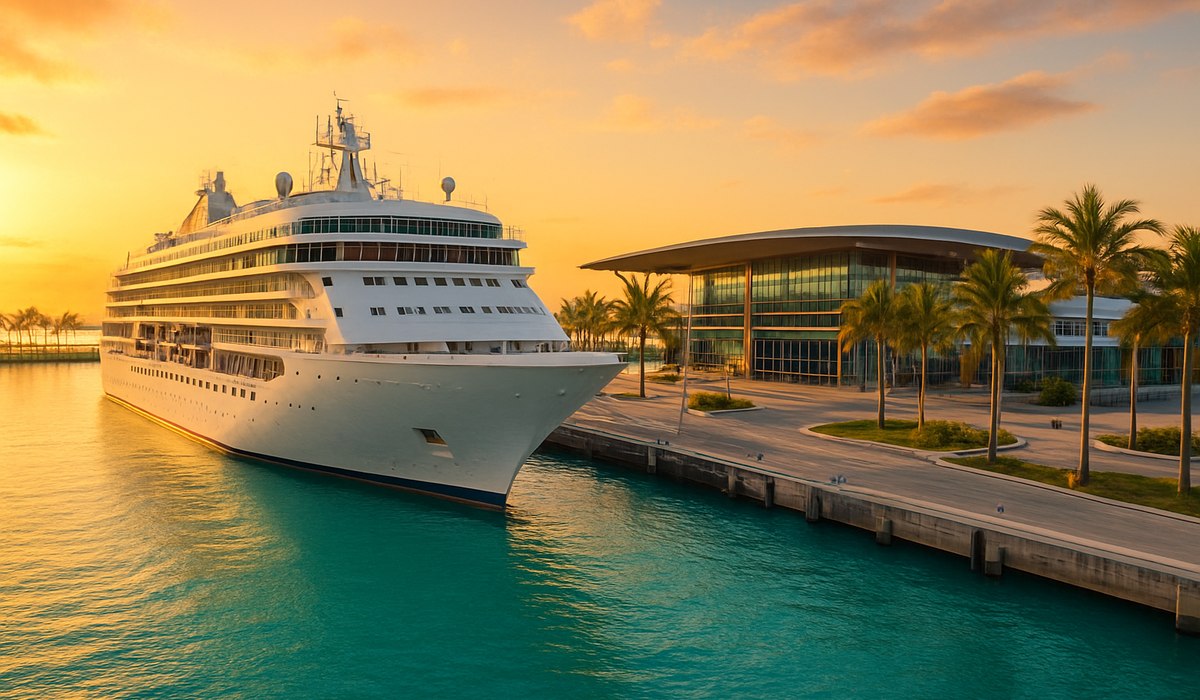
Image generated by AI
Solomon Islands Launches $100M Cruise Terminal to Attract Global Explorers
The Solomon Islands has officially opened a transformative $100 million cruise terminal at Point Cruz Wharf in Honiara, marking a pivotal shift in the nation's tourism infrastructure and positioning it as a regional Pacific cruise gateway. This state-of-the-art facility, now operational in 2026, represents a strategic investment designed to capture the burgeoning luxury expedition market while elevating the archipelago's profile among discerning travelers seeking authentic South Pacific experiences. The terminal's launch signals the Solomon Islands' commitment to economic diversification through high-value tourism and establishing Honiara as a reliable hub for expedition itineraries linking Vanuatu, Papua New Guinea, and neighboring island destinations.
New $100M Cruise Terminal Transforms Honiara Into Regional Hub
The Solomon Islands cruise terminal at Point Cruz Wharf represents a watershed moment for Honiara's maritime tourism infrastructure. The facility features modern check-in areas, advanced baggage handling systems, and enhanced security protocols designed to streamline passenger processing for vessels of varying sizes. Berthing infrastructure accommodates both conventional cruise ships and smaller expedition vessels that increasingly dominate the luxury segment.
The terminal's design prioritizes efficiency and guest experience. Dedicated zones separate arriving and departing passengers, while improved provisioning capabilities allow ships to resupply quickly. This operational advantage proves critical for expedition operators managing tight itineraries across remote Pacific waters.
Industry analysts emphasize that integrating this cruise facility with existing aviation and domestic transport networks creates a cohesive tourism ecosystem. Passengers can seamlessly transition between international flights, cruise embarkation, and inter-island connections—a logistical advantage that distinguishes Honiara from competing regional ports.
The investment also strengthens Honiara's role as an economic engine. Tourism authorities project increased vessel calls, extended passenger stays, and higher per-capita spending among expedition travelers versus traditional cruise demographics. For more information on cruise infrastructure and planning, visit the official Solomon Islands tourism portal.
Luxury Expedition Market Drives Tourism Strategy Shift
The Solomon Islands cruise terminal opening coincides with accelerating demand for remote, culturally immersive expedition voyages. Global expedition operators have expanded South Pacific offerings, with 2026 itineraries highlighting the archipelago's World War II heritage sites, pristine coral reefs, and indigenous communities.
Marketing materials from expedition specialists emphasize zodiac landings, small-group experiences, and scientific-style exploration. Typical 2026 voyages feature 14-21 night journeys encompassing the Solomon Islands, Vanuatu, and Papua New Guinea. Passengers engage in snorkeling, diving, birdwatching, and village cultural encounters—experiences commanding premium pricing from affluent global travelers.
The $100 million cruise hub enables expedition lines to optimize turnaround times and passenger logistics. Ships can now efficiently embark and disembark guests, provision supplies, and prepare for multi-week expeditions into remote atolls and undeveloped marine environments. This operational capability attracts expedition operators previously hesitant about Honiara's port infrastructure.
Expedition pricing reflects exclusivity and remoteness. Typical 2026 fares range from $8,000 to $25,000 per passenger for two-week voyages, substantially exceeding mass-market cruise pricing. This higher yield per visitor aligns perfectly with Solomon Islands economic goals—attracting fewer visitors who spend considerably more while minimizing environmental and social strain.
The archipelago's competitive advantages include exceptional biodiversity, minimal tourism development, authentic cultural experiences, and historical significance. These factors resonate powerfully with expedition clientele seeking authentic exploration beyond conventional cruise destinations. Check Cruise Critic's expedition reviews for firsthand passenger insights on South Pacific expeditions.
Infrastructure Integration Key to Archipelago Success
Successful regional tourism development requires seamless coordination across transportation modes. The Solomon Islands understands that a modern cruise terminal alone cannot maximize visitor value without complementary aviation, accommodation, and inter-island transport infrastructure.
Recent upgrades to Honiara International Airport improve connectivity with regional hubs and international gateways. Enhanced road networks facilitate shore excursions and outbound travel to cultural sites and natural attractions. Upgraded domestic shipping services connect Honiara with outer islands, extending passenger itineraries beyond traditional cruise-only experiences.
This integrated approach reduces logistical bottlenecks that constrain visitor spending and satisfaction in archipelagic nations. When passengers experience seamless transitions from international flights through cruise embarkation to inter-island exploration, they perceive greater value and exhibit higher spending patterns across accommodations, dining, and activities.
Tourism authorities recognize that the Solomon Islands cruise terminal functions as the centrepiece of a broader destination upgrade. Modern port facilities create positive first impressions, simplify shore excursion logistics, and encourage cruise lines to extend itineraries and increase port time. These factors directly drive repeat visitation, positive word-of-mouth, and operator preference selection among competing Pacific destinations.
Economic Diversification Through Higher-Spending Visitors
The Solomon Islands' economic strategy prioritizes tourism quality over quantity. Rather than pursuing mass-market cruise volumes that strain local resources and communities, national policy targets affluent expedition travelers with high spending capacity and lower environmental impact profiles.
Economic modeling suggests that expedition tourism generates 3-5 times greater per-passenger revenue than conventional cruising. A typical 18-night expedition voyage generates $15,000-$20,000 per passenger in direct tourism spending across accommodations, meals, activities, and local purchases. Multiply this across 200-300 passengers annually, and the revenue impact significantly exceeds mass-market cruise calls.
This strategy supports sustainable tourism development and community benefit distribution. Smaller passenger groups engage more meaningfully with local guides, artisans, and cultural practitioners. Remote island communities receive direct economic benefit from snorkeling, diving, and village visit fees, creating incentives for environmental stewardship and cultural preservation.
The $100 million cruise hub investment catalyzes this economic transformation by removing infrastructure barriers to expedition operator participation. Modern berthing, passenger facilities, and provisioning capabilities make Honiara an attractive logistical hub for multi-week Pacific expeditions. As operator participation increases, passenger volumes grow, generating sustained economic benefits across the nation.
Tourism employment also benefits from this shift. Expedition operations require specialized guides with language skills, naturalist expertise, and cultural knowledge. These positions command higher wages than traditional cruise tourism roles, supporting professional development and skills advancement within local communities.
Cruise Itinerary at a Glance
| Itinerary Element | Details |
|---|---|
| Typical Duration | 14-21 nights |
| Port of Origin | Honiara (Point Cruz Wharf) |
| Key Destinations | Western Province atolls, Central Province islands, Vanuatu, Papua New Guinea |
| Vessel Size | 50-500 passengers (expedition-class ships) |
| Typical Activities | Snorkeling, diving, village visits, WWII heritage tours, birdwatching, Zodiac excursions |
| Passenger Demographics | Age 50+, household income $150,000+, repeat cruise travelers |
| 2026 Departure Months | April, May, October, November |
| Average Fare Range | $8,000-$25,000 per person |
| Embarkation Duration | 3-4 hours (streamlined by new terminal facilities) |
| Disembarkation Duration | 2-3 hours (streamlined by new terminal facilities) |
What This Means for Travelers
The opening of the Solomon Islands cruise terminal creates substantial opportunities for expedition enthusiasts and cultural explorers:
- **Expanded
Disclaimer
This article is for informational and educational purposes only. It does not constitute legal, financial, or professional advice. While we strive to provide accurate and up-to-date information, travel policies, regulations, and conditions change rapidly. Always verify information with official sources before making travel decisions. Nomad Lawyer makes no representations about the accuracy, reliability, completeness, or suitability of the information provided. Readers should consult qualified professionals for advice specific to their circumstances. The views expressed in this article are those of the author and do not necessarily reflect the views of Nomad Lawyer.
Raushan Kumar
Founder & Lead Developer
Full-stack developer with 11+ years of experience and a passionate traveller. Raushan built Nomad Lawyer from the ground up with a vision to create the best travel and law experience on the web.
Learn more about our team →