
Gulf Airspace Turmoil Strands Thousands at Major Middle East Hubs
Gulf airspace turmoil has grounded flights and stranded thousands across Riyadh, Kuwait City, Manama and Dubai in 2026. Regional conflict triggers unprecedented closures affecting global air traffic.

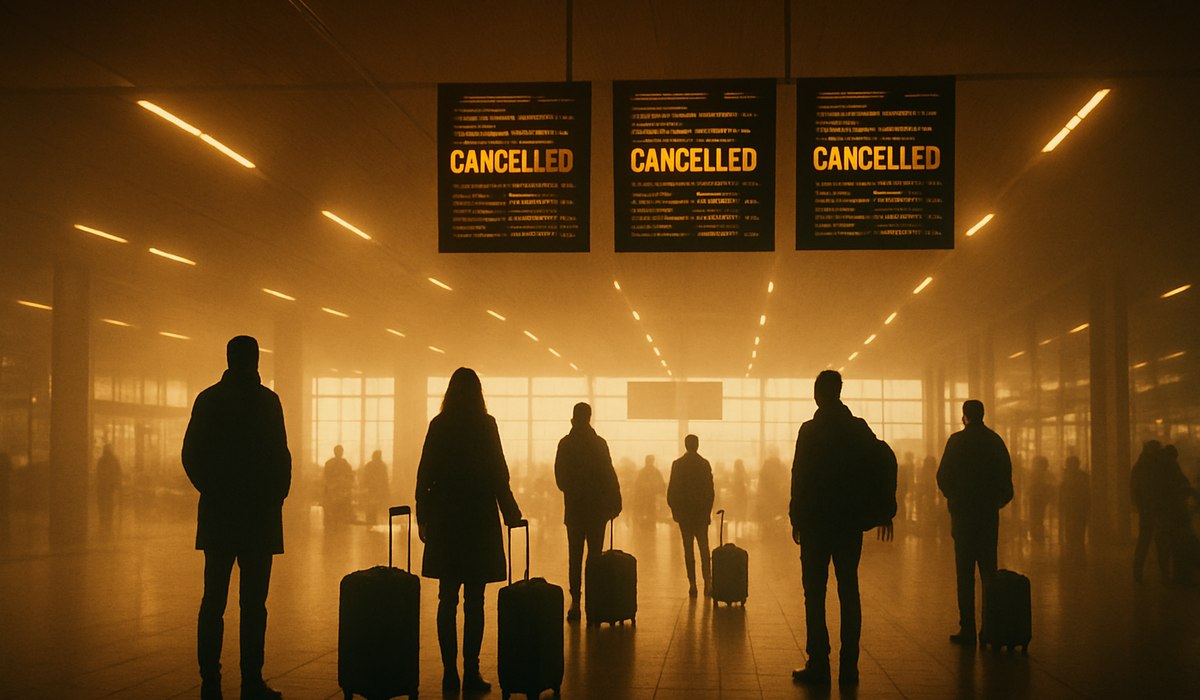
Image generated by AI
Breaking: Gulf Airspace Turmoil Disrupts Travel Across Four Major Hubs
Gulf airspace turmoil has created a cascading travel crisis across the Middle East, with thousands of passengers stranded at major aviation hubs in Riyadh, Kuwait City, Manama and Dubai. Starting late February and intensifying through April 2026, regional conflict-related airspace closures have forced major carriers including Saudia, Gulf Air, Air Arabia and Kuwait Airways to cancel flights, reroute services and reduce network capacity. The disruption affects some of the world's busiest air corridors, multiplying delays and cancellations across Europe, Asia and Africa. With safety concerns limiting reopening timelines, travelers face extended waits, crowded terminals and limited rebooking options.
Gulf Airspace Crisis: Which Routes Are Affected
The gulf airspace turmoil has created a patchwork of restrictions across the Arabian Peninsula. Saudi Arabia closed airspace around Riyadh and Jeddah for weeks before cautiously reopening select corridors on April 11. Kuwait International Airport remains functionally closed to commercial traffic due to repeated drone and missile alerts. Bahrain's airspace near Manama experienced multi-day halts that disrupted Gulf Air's primary hub operations. The United Arab Emirates imposed rolling restrictions affecting Dubai International Airport, one of the world's largest transit hubs, after reported damage from earlier incidents.
Long-haul airlines are circumventing the region entirely, adding 3-5 hours to Asia-Europe routes. Regional carriers face the harshest impact, as their entire business models depend on Gulf hub connectivity. Aircraft positioned for maintenance or crew changes cannot reach Gulf bases, compounding scheduling chaos.
Major Airlines Cancel Flights Across Regional Hubs
Saudia launched a limited schedule restoration from Riyadh and Jeddah on April 11, reconnecting select regional routes to Dubai, Abu Dhabi and Amman. However, frequencies remain well below pre-crisis levels, and passengers report extended wait times for available seats. Air Arabia has reintroduced services from Sharjah to Middle East, North Africa and South Asia markets, though with shorter booking windows and reduced daily flights.
Kuwait Airways cancelled approximately 70% of its schedule due to Kuwait International Airport closure. Gulf Air suspended most departures from its Manama hub, forcing business travelers and leisure passengers to seek alternative routing through Doha or Dubai—adding significant cost and journey time. Foreign carriers including Lufthansa, British Airways and Air France maintain suspended services into affected hubs, awaiting clearer safety assurances.
Airlines report that rebooking stranded passengers onto alternative carriers is proving nearly impossible, as competing carriers' flights are overbooked for weeks ahead.
Economic Impact: How Global Air Traffic Feels the Disruption
Aviation analysts estimate that Gulf airports handle approximately 15-18% of global air traffic flows. Each day of reduced capacity creates ripple effects across three continents. Airlines face compounding costs: higher insurance premiums for Middle East operations, fuel surcharges for alternative routing, staff repositioning expenses and lost ancillary revenue from cancelled flights.
The International Air Transport Association reports that carriers have already incurred over $2 billion in combined losses. Regional tourism has contracted sharply, as travelers rebook flights to alternative destinations or postpone trips entirely. Cargo operations—critical for pharmaceutical, technology and perishable goods flows—have experienced 40-50% capacity reduction, pushing freight rates to record levels.
Analysts warn that even after airspace fully reopens, recovery will extend months, as airlines rebuild crew schedules, restore aircraft positioning and rebuild passenger confidence in region stability.
What Passengers Need to Know Now
If you have booked flights through Gulf hubs between mid-February and June 2026, take these immediate steps:
- Contact your airline directly—don't rely on automated systems, which often show outdated availability
- Request alternative routing via unaffected hubs (Doha, Istanbul, Abu Dhabi where flights resume)
- Ask about full refunds if rerouting adds more than six hours to journey time
- Check travel insurance for coverage of conflict-related cancellations (many policies exclude "civil unrest")
- Monitor official NOTAM updates from Saudi General Authority of Civil Aviation and UAE General Civil Aviation Authority
- Allow 4-6 weeks for rebooking if you're flexible on dates and destinations
- Consider ground transport alternatives: Saudi Arabia permits visa-free transit travel via Dammam airport; Kuwait travelers may cross land borders to Iraq or Saudi Arabia (verify entry requirements)
Affected Gulf Hubs: Current Status Table
| Hub | Airport Code | Current Status | Primary Carrier | Estimated Reopening |
|---|---|---|---|---|
| Riyadh | RUH | Limited operations (April 11) | Saudia | April 15-20 |
| Kuwait City | KWI | Closed to commercial traffic | Kuwait Airways | April 18-25 |
| Manama | BAH | Severely restricted | Gulf Air | April 13-20 |
| Dubai | DXB | Partial operations | Emirates, Air Arabia | April 12-16 |
| Jeddah | JED | Cautious reopening | Saudia | April 11+ |
| Dammam | DMM | Open, capacity strained | Regional carriers | Operational |
FAQ: Gulf Airspace Turmoil Travel Questions
Q: If my flight was cancelled, am I entitled to compensation? A: Under EU261 and similar regional regulations, yes—if your airline cancelled with less than 14 days notice. However, airspace closures may qualify as "extraordinary circumstances" that exempt airlines from compensation. Request compensation anyway; airlines will advise if exemptions apply.
Q: Can I get a full refund instead of rebooking? A: Yes. EU and US carriers must offer refunds if rebooking adds over six hours to your journey. Regional carriers (Saudia, Gulf Air, Air Arabia) may impose stricter terms; verify in your booking terms or contact customer service.
Q: Are travel insurance claims paying out for conflict-related cancellations? A: Rarely. Most policies exclude "civil unrest," "war" and "military action." Check your specific policy, as some premium products offer conflict coverage. New policies purchased after April 11 will explicitly exclude this crisis.
Q: What's the safest timeline for rebooking Gulf flights? A: Mid-May 2026 onwards shows highest confidence. Airlines project full airspace reopening by late April, but allowing 2-3 weeks for schedule stabilization gives you better seat availability and lower rebooking stress.
Related Travel Guides
Learn more about Middle Eastern travel resilience with these guides:
- Ultimate Guide to Alternative Middle East Flight Routes: Bypassing Closed Hubs
- Visa Requirements for Extended Gulf Layovers and Emergency Ground Transit
- Travel Insurance Claims for Conflict-Related Flight Cancellations: Legal Rights
Disclaimer
This article reflects publicly available information from aviation regulatory bodies, official airline statements and regional news sources as of April 11, 2026. Information changes rapidly during airspace disruptions. Before making travel decisions, verify current flight status through your airline's official website or contact your travel agent. Check updates from the Saudi General Authority of Civil Aviation, UAE General Civil Aviation Authority and IATA for the latest safety advisories. Cross-reference flight schedules on independent platforms including FlightRadar24
Disclaimer
This article is for informational and educational purposes only. It does not constitute legal, financial, or professional advice. While we strive to provide accurate and up-to-date information, travel policies, regulations, and conditions change rapidly. Always verify information with official sources before making travel decisions. Nomad Lawyer makes no representations about the accuracy, reliability, completeness, or suitability of the information provided. Readers should consult qualified professionals for advice specific to their circumstances. The views expressed in this article are those of the author and do not necessarily reflect the views of Nomad Lawyer.
Preeti Gunjan
Contributor & Community Manager
A passionate traveller and community builder. Preeti helps grow the Nomad Lawyer community, fostering engagement and bringing the reader experience to life.
Learn more about our team →