
Gulf Flight Cancellations Strand Hundreds Across Middle East April 2026
Gulf flight cancellations surge as Middle Eastern airspace restrictions trigger 39 cancellations and 137 delays in April 2026. Hundreds of passengers stranded on routes between Gulf hubs and Europe, Asia as major carriers adjust networks.

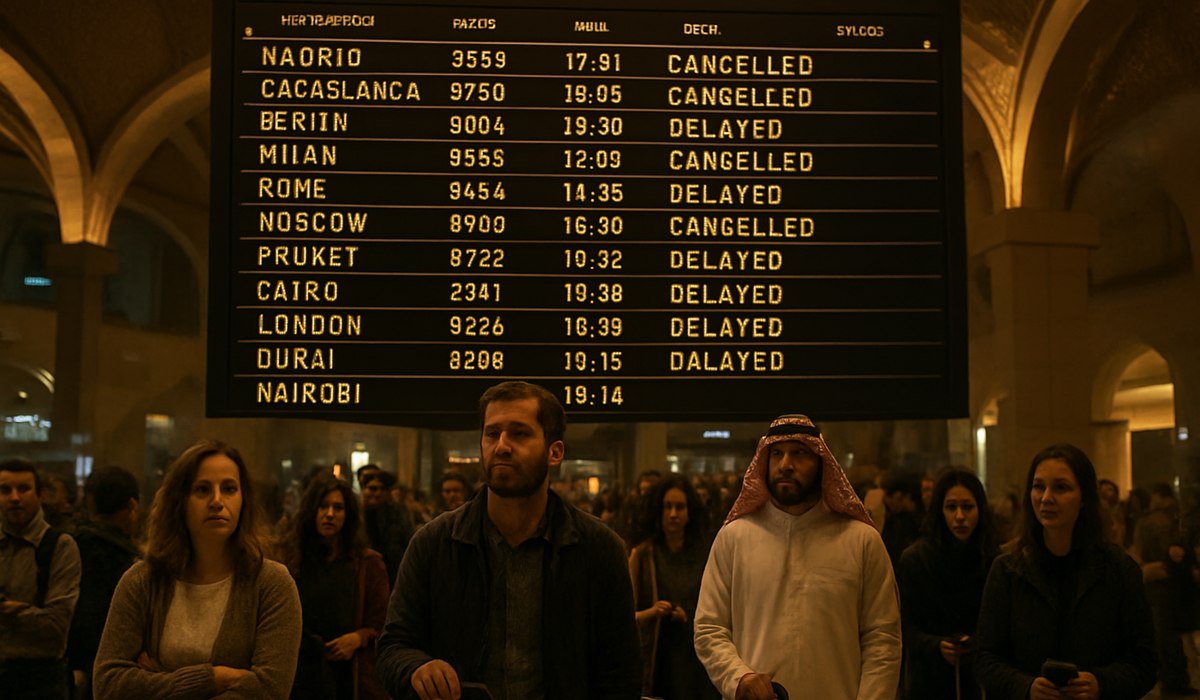
Image generated by AI
Hundreds of Travelers Stranded as Gulf Flight Cancellations Surge
Hundreds of passengers across the Middle East and Asia-Europe corridors face fresh disruption this week as airspace restrictions across the Gulf region trigger widespread cancellations and delays. Over the past 72 hours, 39 flights have been cancelled and 137 delayed across major carriers including Gulf Air, Flydubai, and Saudia. The disruptions strand travelers at critical hubs in Bahrain, the United Arab Emirates, Oman, and Qatar, affecting connections to London, Oslo, and key Asian gateways. Regional aviation authorities have implemented targeted airspace restrictions that continue to reshape flight operations across one of the world's busiest aviation corridors.
Regional Airspace Tensions Trigger New Wave of Cancellations
The latest round of gulf flight cancellations stems from evolving airspace restrictions imposed across multiple Middle Eastern states. Aviation data from FlightAware shows that Bahrain International Airport, Dubai International, Muscat International, and Hamad International in Doha all reported significant operational disruptions over the past week.
According to aviation tracking platforms, the pattern reveals a deliberate strategy to maintain connectivity on high-demand trunk routes while minimizing exposure to congested or restricted corridors. Airlines have responded by implementing rolling cancellations and frequency reductions rather than wholesale network shutdowns. This creates a "stop-start" operational pattern where flights may operate normally for several days before another cluster of disruptions cascades through the network.
The airspace restrictions are concentrated around key transit corridors linking the Persian Gulf to European and Asian destinations. Carriers have been forced to reroute flights, adding 90 minutes to 3 hours of additional flight time on affected routes. Ground delays have also become routine, with some aircraft sitting on tarmacs for extended periods while awaiting revised routing clearances.
Which Airlines and Airports Are Most Affected
Gulf Air remains the most impacted carrier, reflecting Bahrain's centrality as both a national hub and crucial transit point between Asia and Europe. Recent operational notices confirm suspended services on specific days with reduced frequencies on others as the airline navigates evolving airspace constraints.
Flydubai, the UAE's low-cost carrier, has adjusted its entire network particularly on routes connecting Dubai to secondary Gulf gateways and select European destinations. The airline previously warned passengers of longer flight durations due to rerouting, and this week's cancellations compound connectivity pressure.
Saudia continues experiencing knock-on schedule challenges from earlier airspace-related suspensions. Services to and from major hubs including Dubai, Abu Dhabi, Sharjah, Doha, Bahrain, and Kuwait remain vulnerable to late-notice changes.
Critical airports affected include:
- Bahrain International Airport (BAH)
- Dubai International Airport (DXB)
- Sharjah International Airport (SHJ)
- Muscat International Airport (MCT)
- Hamad International Airport (DOH)
European carriers and regional operators have also adjusted timetables, with some forwarding seasonal route withdrawals and others implementing one-off cancellations pending alternative routing options.
Carrier Strategies: Rerouting and Frequency Adjustments
Airlines operating in the Gulf have adopted multi-pronged strategies to maintain minimal service levels while absorbing airspace restrictions. Frequency reduction remains the primary tactic, with carriers cutting daily flights by 20-35% on affected routes rather than eliminating them entirely.
Rerouting around sensitive airspace adds significant time but preserves connectivity. Flights from the Gulf to London or Oslo now typically add 2-3 hours by routing further north or south, avoiding restricted zones. Some carriers have negotiated temporary corridors with aviation authorities, though these require advance coordination and limit scheduling flexibility.
Consolidation of services on high-demand routes ensures that remaining flights carry higher passenger loads. This means fewer daily departures but more direct flights where previously multiple carriers offered connections.
Preemptive scheduling adjustments allow carriers to thin out schedules during peak restriction windows, avoiding last-minute chaos. This provides passengers more notice but limits booking flexibility for spontaneous travel.
Check FAA updates on international airspace procedures and consult your airline's official notices before finalizing travel plans.
What Travelers Should Know About the Stop-Start Pattern
The current disruption pattern differs significantly from earlier blanket airspace closures. Rather than complete shutdowns, the Middle East now experiences rotating or intermittent restrictions that create unpredictable operational windows.
This "stop-start" dynamic means that flights may operate smoothly for three to five days, then face sudden cancellations for one or two days as restrictions tighten. For passengers, this translates to uncertainty even after booking confirmation. A flight marked available today may be cancelled by tomorrow evening.
Layover strategies have become critical. Travelers connecting through Gulf hubs face increased risk of missed connections as inbound flights arrive delayed. Airlines are reportedly blocking same-day connection availability on certain routes, forcing overnight stays that passengers must now budget for as potential costs.
The pattern also affects pricing volatility. As available seats diminish on unrestricted days, fares spike dramatically. Passengers booking flexibility or purchasing refundable tickets now pay 30-50% premiums compared to pre-disruption pricing on identical routes.
Most significantly, the stop-start pattern has created a confidence crisis among business and leisure travelers who once relied on Gulf hubs for seamless Asia-Europe connections. Alternative routing through eastern European hubs or African gateways now draws increased traffic, reshaping regional aviation geography.
Impact on European and Asian Gateways
The ripple effects extend far beyond the Gulf region. Airports across Europe and Asia feel the secondary impact of gulf flight cancellations as onward connectivity deteriorates.
London's Heathrow, Gatwick, and Stansted airports have all reported reduced arrival banks from Middle Eastern carriers, narrowing connection options for Asia-bound passengers. Oslo Airport similarly faces reduced frequencies from Gulf carriers, particularly affecting Scandinavian and Nordic travelers on Gulf Air and Flydubai services.
In Oman, Seeb International Airport at Muscat experiences intermittent schedule changes with periodic curtailments on routes to Dubai, Bahrain, and Doha. Travelers connecting onward to South and Southeast Asia frequently encounter longer-than-planned layovers or unscheduled overnight stays.
Sharjah International Airport, popular with budget-conscious travelers and low-cost carrier passengers, has suffered waves of cancellations particularly when nearby airspace restrictions tighten. This has eroded Sharjah's competitive advantage as a lower-cost alternative to Dubai.
The US Department of Transportation has published guidance on passenger rights during international disruptions. Review US DOT consumer protections for information on compensation eligibility and rebooking options.
Key Disruption Data at a Glance
| Metric | Details |
|---|---|
| Total Cancellations (48 hrs) | 39 flights across Gulf carriers |
| Total Delays (48 hrs) | 137 flights averaging 2-4 hours |
| Passengers Affected (est.) | 12,000-15,000 across all carriers |
| Most Impacted Carrier | Gulf Air (Bahrain hub) |
| Most Affected Airport | Dubai International (DXB) |
| Primary Restriction Type | Targeted airspace closures on select corridors |
| Flight Duration Increase | +90 minutes to +180 minutes on rerouted flights |
Disclaimer
This article is for informational and educational purposes only. It does not constitute legal, financial, or professional advice. While we strive to provide accurate and up-to-date information, travel policies, regulations, and conditions change rapidly. Always verify information with official sources before making travel decisions. Nomad Lawyer makes no representations about the accuracy, reliability, completeness, or suitability of the information provided. Readers should consult qualified professionals for advice specific to their circumstances. The views expressed in this article are those of the author and do not necessarily reflect the views of Nomad Lawyer.
Kunal K Choudhary
Co-Founder & Contributor
A passionate traveller and tech enthusiast. Kunal contributes to the vision and growth of Nomad Lawyer, bringing fresh perspectives and driving the community forward.
Learn more about our team →