
Gulf Air Expands Network Amid Bahrain Airspace Crisis
Gulf Air launches strategic six-route expansion to Athens, Istanbul, Thiruvananthapuram, New York, Málaga, and Al Alamein in April 2026, establishing Dammam as operational hub amid Bahrain airspace closure. 2-3 weekly flights across European, Asian, and transatlantic markets.

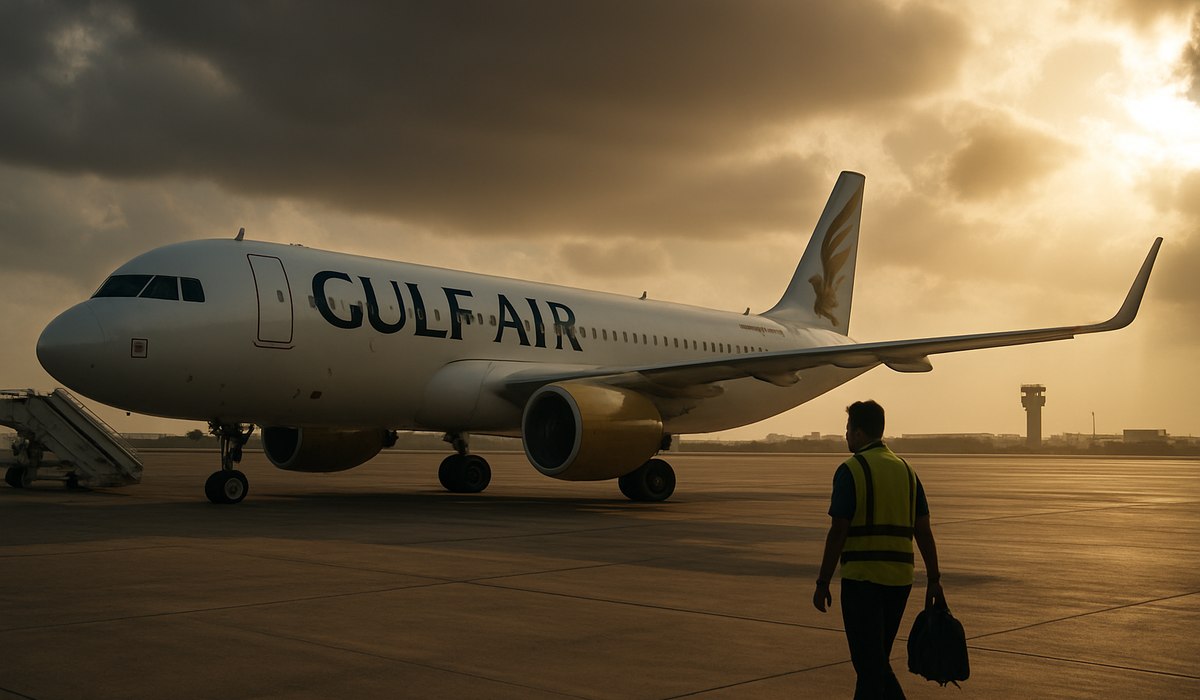
Image generated by AI
Gulf Air announced a strategic network expansion in April 2026, adding six new international destinations while navigating the ongoing Bahrain airspace closure. The carrier will temporarily operate from King Fahd International Airport (DMM) in Dammam, Saudi Arabia, introducing routes to Athens, Istanbul, Thiruvananthapuram, New York, Málaga, and Al Alamein. This expansion reflects Gulf Air's resilience amid geopolitical challenges and commitment to maintaining connectivity across Europe, Asia, and North America.
New Routes and Operational Details
| Route | Frequency | Aircraft | Launch Date | Sector Type |
|---|---|---|---|---|
| Dammam-Athens | 2x weekly | Airbus A321neo | April 14, 2026 | Medium-haul |
| Dammam-Istanbul | 2x weekly | A320neo/A321neo | April 11, 2026 | Medium-haul |
| Dammam-Thiruvananthapuram | Bi-weekly | Airbus A320neo | April 5, 2026 | Long-haul |
| Bahrain-New York | 3x weekly | Boeing 787-9 | April 2026 | Transatlantic |
| Dammam-Málaga | 2x weekly (seasonal) | Airbus A320neo | Summer 2026 | Medium-haul |
| Dammam-Al Alamein | 2x weekly (seasonal) | Airbus A320neo | Summer 2026 | Short-haul |
Strategic Response to Bahrain Airspace Crisis
Gulf Air's expansion represents a calculated response to the ongoing restrictions on Bahrain's airspace, which have disrupted regional aviation since late February 2026. By establishing Dammam as a temporary operational hub, the airline:
- Maintains long-haul transatlantic service from Bahrain while routing medium and short-haul flights through Saudi Arabia
- Reduces repositioning costs through strategic network design
- Avoids extended routing around restricted airspace
- Preserves connectivity to key markets during the geopolitical uncertainty
The Dammam hub operates approximately 180 kilometers northwest of Bahrain, positioning Gulf Air within the unaffected Saudi airspace while remaining accessible to regional travelers. This dual-hub approach ensures service continuity while minimizing operational disruption.
Passenger Benefits and Connectivity
European Expansion: Gulf Air's Athens and Istanbul routes open direct access to Mediterranean tourism and business centers. Athens service connects Greek islands and regional markets, while Istanbul positioning enables easy connections to Eastern Europe, Central Asia, and the Middle East. Both routes launch within days of announcement, demonstrating operational readiness.
Asian Connectivity: The Thiruvananthapuram route strengthens Gulf Air's presence in South India, connecting the airline's Gulf network to Kerala's tourism sector and IT industry hubs. The bi-weekly frequency accommodates both leisure travelers and business passengers seeking Gulf connections.
Transatlantic Service: Three-weekly New York operations maintain Gulf Air's premium positioning on the lucrative North America market. Boeing 787-9 Dreamliner deployment provides superior passenger comfort with lie-flat seating, enhanced cabin pressure, and direct flight capabilities covering the 12,500+ kilometer route.
Summer Leisure Routes: Málaga and Al Alamein seasonal routes target summer vacation demand. Málaga serves European sun-seekers, while Al Alamein provides direct beach access for Middle Eastern travelers accessing Egypt's Mediterranean coast.
Operational Advantages of the Expansion
Fleet Optimization: Gulf Air's fleet deployment strategically matches aircraft to route economics. Modern A320/A321neo aircraft maximize fuel efficiency on medium-haul routes, while the 787-9 Dreamliner's superior range and passenger comfort justify premium transatlantic pricing. The modernization reflects sustainability commitments and operational cost control.
Frequency Advantage: Two and three-weekly frequencies provide schedule options for both leisure and business travelers while optimizing aircraft utilization. Routes launch with adequate frequencies to capture market demand without over-capacity exposure.
Network Resilience: The dual-hub structure creates redundancy, allowing Gulf Air to reroute operations quickly if Bahrain airspace reopens. Dammam positioning prevents stranded capacity or schedule conflicts during transition periods.
What This Means for Travelers
Enhanced Route Choices: Passengers gain direct flight alternatives eliminating previous multi-stop itineraries. New York travelers previously routing through Middle Eastern or European hubs now access non-stop Gulf Air service. Similarly, Athens and Istanbul passengers avoid connection hassles.
Premium Cabin Experience: The 787-9 Dreamliner's premium economy and business class configurations compete directly with European carriers on transatlantic routes. Superior seat pitch and entertainment systems differentiate Gulf Air's offering.
Competitive Pricing Context: Gulf Air's expansion introduces competitive capacity on routes previously dominated by carriers like Emirates, Qatar Airways, and Turkish Airlines. Increased competition typically benefits leisure travelers through improved pricing and promotional offerings.
Loyalty Program Benefits: Gulf Air Frequent Flyer members accumulate miles across expanded routes, enhancing program utility. Elite members enjoy complimentary upgrades and lounge access across the network.
Frequently Asked Questions
Q1: How does the Bahrain airspace closure affect booking on these new routes? A: Routes departing from Dammam operate normally without airspace restrictions. Bahrain-origin flights (like New York) maintain existing schedules. Passengers should verify departure airports when booking.
Q2: What aircraft will operate each route? A: Medium-haul routes use Airbus A320/A321neo; transatlantic routes deploy Boeing 787-9 Dreamliners. Check Gulf Air's website for specific flight aircraft details.
Q3: Are there direct connections between the new routes? A: Dammam hub connectivity allows same-day connections between Athens, Istanbul, Thiruvananthapuram, and seasonal routes. Bahrain-New York remains a separate operation.
Q4: Do frequent flyer miles apply to new routes? A: Yes. All Gulf Air flights earn standard miles. Elite members maintain status benefits across the entire network.
Q5: What are cancellation policies for these new routes? A: Gulf Air's standard cancellation policies apply. April 2026 launch bookings include flexible cancellation until departure date.
Q6: Will these routes be permanent or temporary? A: Current announcements position routes as operational through at least summer 2026. Permanent status depends on Bahrain airspace reopening timeline.
Related Travel Guides
- Cologne Bonn Airport: €9.75M EU Grant Funds Sustainable Aviation Initiative
- Bypassing Miami Travel Chaos: How Affluent Flyers Evade Flight Cancellations and Airport Disruptions Using the New $1,295 Pan Am PS Luxury Terminal: Airline News
- Why Airlines Are Locking in Massive Aircraft Orders Years Before Delivery
Disclaimer
This article is for informational and educational purposes only. It does not constitute legal, financial, or professional advice. While we strive to provide accurate and up-to-date information, travel policies, regulations, and conditions change rapidly. Always verify information with official sources before making travel decisions. Nomad Lawyer makes no representations about the accuracy, reliability, completeness, or suitability of the information provided. Readers should consult qualified professionals for advice specific to their circumstances. The views expressed in this article are those of the author and do not necessarily reflect the views of Nomad Lawyer.
Raushan Kumar
Founder & Lead Developer
Full-stack developer with 11+ years of experience and a passionate traveller. Raushan built Nomad Lawyer from the ground up with a vision to create the best travel and law experience on the web.
Learn more about our team →