
Gulf Air Cancels Three Muscat-Bahrain Flights Over Consecutive Days: Major Disruption on Key Middle East Route
Gulf Air cancels three consecutive Muscat-Bahrain flights, disrupting key Middle East aviation corridor. Evening and late-night departures affected.

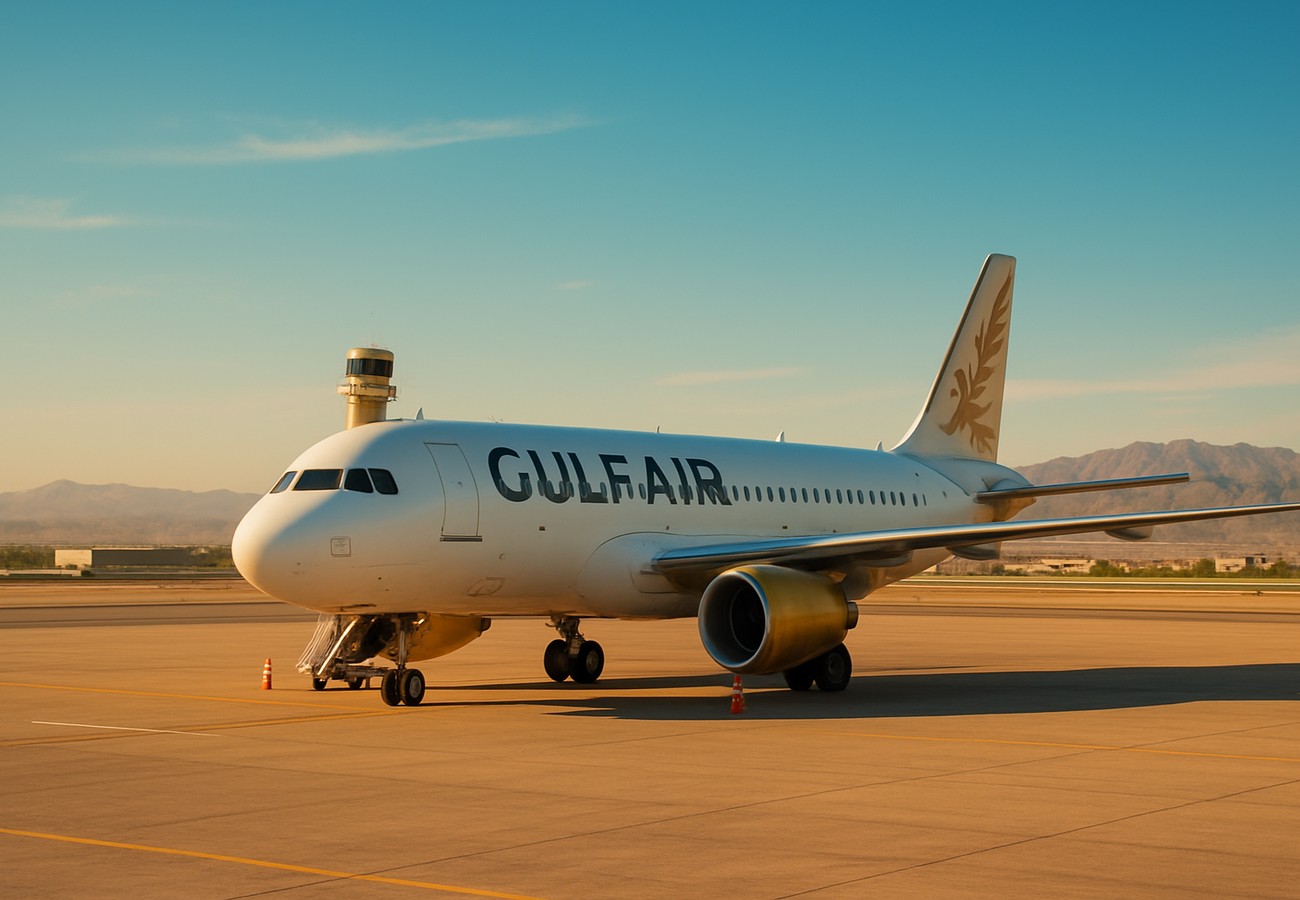
Image generated by AI
Gulf Air has announced the cancellation of three consecutive flights operating between Muscat (MCT) and Bahrain (BAH), marking a significant disruption on one of the Arabian Peninsula's busiest regional aviation corridors. The carrier has suspended evening and late-night departures across multiple days, forcing hundreds of passengers to seek alternative routing or reschedule their travel plans on short notice.
The cancellations strike at a critical juncture for regional air travel, as the Muscat-Bahrain route serves as a vital connector for business travelers, expatriate communities, and leisure passengers navigating the Gulf Cooperation Council (GCC) region. This disruption underscores mounting operational challenges facing carriers across the Middle East, where capacity constraints, fuel price volatility, and infrastructure pressures continue to reshape flight schedules and airline fee structures across the sector.
Industry observers note that consecutive flight cancellations on established regional routes often signal deeper operational or maintenance issues rather than isolated incidents. Gulf Air, the national carrier of Bahrain, has faced mounting pressure to optimize its fleet utilization amid broader global aviation recovery dynamics. The carrier operates a fleet of Boeing 787 Dreamliners and Airbus A320 family aircraft, and any grounding or maintenance-related disruptions can cascade across its regional network, particularly on high-frequency routes like the Muscat-Bahrain corridor.
The timing of these cancellations coincides with elevated scrutiny of airline operational reliability across the Middle East. According to data tracked by FlightAware, regional carriers have experienced increased schedule volatility in recent months, driven by a combination of factors including seasonal demand fluctuations, aircraft availability, and crew scheduling constraints. The International Air Transport Association (IATA) has flagged that Middle Eastern carriers face particular pressure to maintain service levels while managing rising operational costs tied to fuel prices and labor expenses.
Passengers booked on the affected Gulf Air flights have been offered rebooking options on alternative carriers or later departures, though availability on competing services remains limited during peak travel windows. The Muscat-Bahrain route typically operates multiple daily frequencies, with evening and late-night slots commanding premium pricing due to business traveler demand. Disruptions on these time slots disproportionately impact corporate travel schedules and connecting passengers relying on tight itineraries across the GCC.
The cancellations also highlight broader challenges facing regional aviation infrastructure. Oman's Muscat International Airport (MCT) and Bahrain International Airport (BAH) have both invested heavily in capacity expansion, yet operational bottlenecks—including ground handling delays, air traffic control constraints, and aircraft turnaround times—continue to limit schedule reliability. These infrastructure pressures, combined with rising airline fees for ancillary services, are reshaping the economics of short-haul regional flying.
What This Means for Travelers
Passengers with bookings on the cancelled Gulf Air flights should immediately contact the airline or their travel agent to confirm rebooking options. Given the high frequency of the Muscat-Bahrain route, alternative flights may be available within hours, though travelers should verify seat availability and any additional fees before confirming changes. Business travelers should consider building buffer time into tight connections, as regional route disruptions can cascade across broader itineraries. Those seeking compensation should review Gulf Air's policy on flight cancellations and applicable regulations under IATA guidelines, which typically entitle passengers to rebooking, refunds, or compensation depending on circumstances.
Regional aviation experts emphasize that consecutive cancellations on established routes warrant immediate operational review, as they often signal systemic issues requiring fleet-wide or network-level intervention.
The Gulf Air cancellations underscore the fragility of regional aviation networks when operational disruptions strike high-frequency corridors. As Middle Eastern carriers navigate post-pandemic recovery, fuel price volatility, and intensifying competition from low-cost carriers, maintaining schedule reliability on core routes remains essential to passenger confidence and market share. Travelers should remain vigilant about booking flexibility and monitor official airline communications closely, as further schedule adjustments may emerge as operational conditions evolve.
Related Travel Guides
Disclaimer
This article is for informational and educational purposes only. It does not constitute legal, financial, or professional advice. While we strive to provide accurate and up-to-date information, travel policies, regulations, and conditions change rapidly. Always verify information with official sources before making travel decisions. Nomad Lawyer makes no representations about the accuracy, reliability, completeness, or suitability of the information provided. Readers should consult qualified professionals for advice specific to their circumstances. The views expressed in this article are those of the author and do not necessarily reflect the views of Nomad Lawyer.
Kunal K Choudhary
Co-Founder & Contributor
A passionate traveller and tech enthusiast. Kunal contributes to the vision and growth of Nomad Lawyer, bringing fresh perspectives and driving the community forward.
Learn more about our team →