Guatemala Issues Urgent Travel Advisory and Orange Alert After Fuego Volcano Eruption 2026

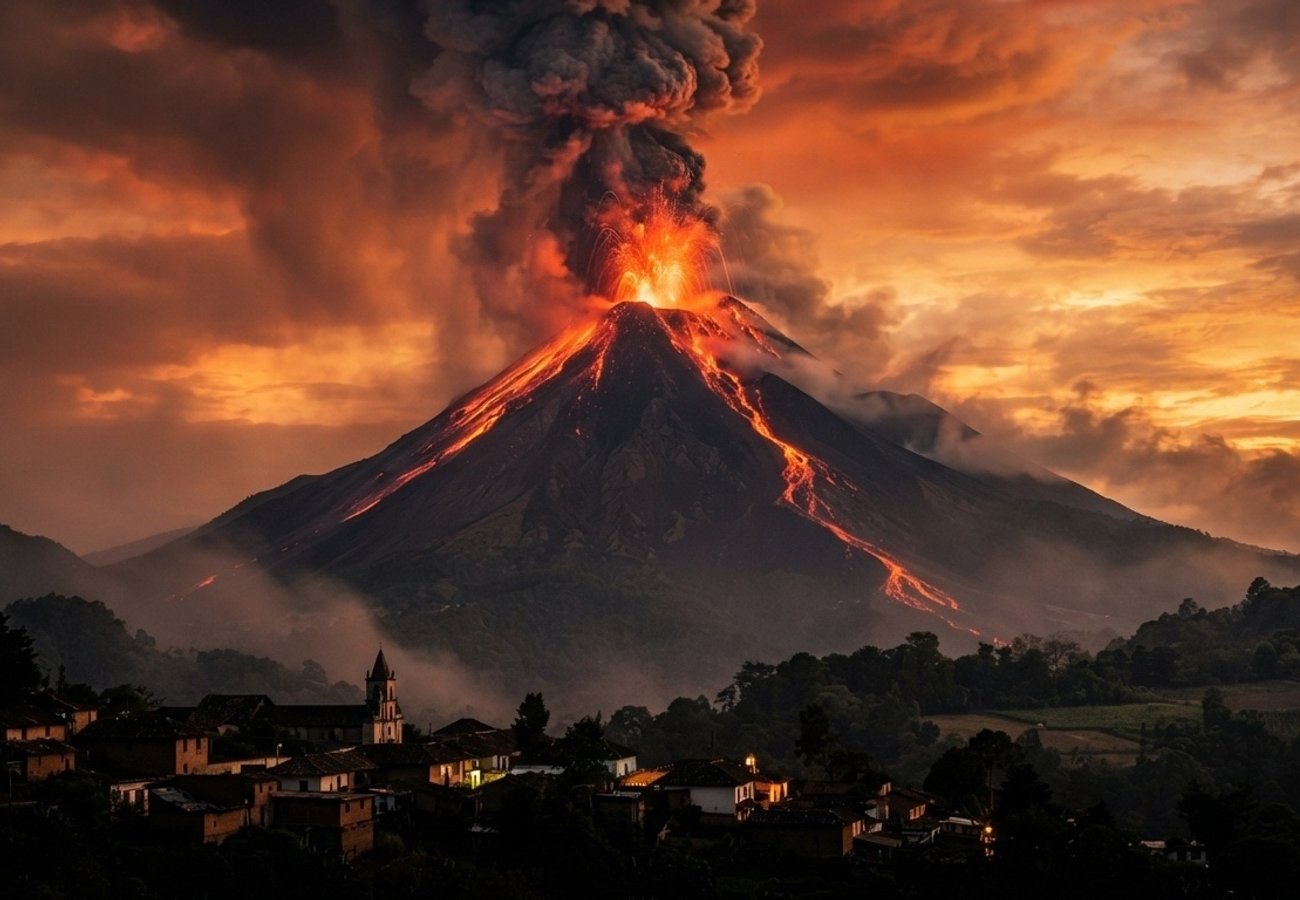
Image generated by AI
Guatemala has declared an orange danger alert following a surge in activity at the Fuego Volcano, forcing the immediate evacuation of nearby villages. This escalation places a significant portion of the country's adventure tourism corridor under high-risk monitoring.
The Volcán de Fuego, one of Central America's most volatile peaks, has entered a heightened phase of eruption. Government authorities have shifted to an orange alert status, signaling that conditions are now dangerous enough to require immediate safety actions and rigorous monitoring of ash emissions and explosive events.
Volcanic Risks and Regional Impact
The Fuego Volcano reaches an elevation of approximately 3,763 metres above sea level. Its geographic position creates a risk zone that spans the departments of Sacatepéquez, Escuintla, and Chimaltenango.
Of particular concern is the volcano's proximity to Antigua Guatemala. As a premier global destination celebrated for its colonial architecture and cultural heritage, Antigua serves as the primary hub for tourists seeking volcano trekking experiences.
The current orange alert indicates that authorities are preparing for a potential escalation. The primary hazards identified by emergency officials include:
- Pyroclastic Flows: High-speed avalanches of hot gas, ash, and volcanic rock.
- Heavy Ashfall: Significant deposits affecting air quality, road visibility, and local infrastructure.
- Lahars: Volcanic mudflows triggered when rainwater mixes with accumulated ash.
- Ballistic Projectiles: Falling volcanic rocks and debris resulting from explosive eruptions.
Emergency Evacuations and Disaster Management
In a preventive move to avoid casualties, emergency teams have already evacuated residents from two villages located in high-vulnerability zones. This proactive approach is a direct result of lessons learned from the catastrophic June 2018 eruption, which remains one of the deadliest volcanic events in the nation's history.
Since 2018, Guatemala has overhauled its disaster preparedness, implementing more sophisticated monitoring systems and faster communication networks. Current operations prioritize early movement of populations over reactive rescues, reflecting a strategic shift in how the state manages the unpredictable nature of Fuego.
Disruptions to the Adventure Tourism Sector
The eruption creates a complex challenge for Guatemala's tourism economy. The region is world-renowned for high-altitude trekking, specifically hikes up the Acatenango Volcano, which offers a direct vantage point of Fuego’s activity.
While the country remains open to international visitors, the orange alert may trigger the following disruptions:
- Route Closures: Temporary bans on hiking trails and access to volcanic zones.
- Logistical Shifts: Sudden changes to travel itineraries for those visiting the Sacatepéquez region.
- Health Risks: Deteriorating air quality due to ash, posing risks to travelers with respiratory conditions.
Tour operators are currently being urged to adhere strictly to official government guidance and to prevent guests from entering restricted perimeters.
Essential Safety Guidance for International Travelers
Visitors currently in Guatemala or those planning a trip should prioritize official government channels for real-time updates. Because volcanic conditions can shift in minutes, a controlled eruption can rapidly evolve into a hazardous event involving mudflows or sudden explosions.
Travelers are advised to:
- Monitor official announcements from Guatemalan emergency agencies.
- Avoid unauthorized routes or "off-trail" excursions near active peaks.
- Prepare for potential flight or road delays if ash clouds impact regional aviation or transport.
Volcanic Risk Summary: Fuego Volcano
| Feature | Detail |
|---|---|
| Current Alert Level | Orange (Danger) |
| Peak Elevation | Approx. 3,763 Metres |
| Affected Departments | Sacatepéquez, Escuintla, Chimaltenango |
| Primary Risks | Pyroclastic flows, Lahars, Ashfall, Volcanic rock |
| Key Impact Zones | Nearby villages, Antigua Guatemala, Acatenango trails |
| Action Taken | Evacuation of two villages |
Key Takeaways
- High Alert: An orange danger alert is active due to intensified eruptions at Fuego Volcano.
- Proactive Evacuations: Two villages have been cleared to prevent loss of life, utilizing improved 2018-era disaster protocols.
- Tourism Warning: Adventure trekking and visits to Antigua Guatemala may be affected by route closures and poor air quality.
- Geographic Scope: The danger zone covers three major departments: Sacatepéquez, Escuintla, and Chimaltenango.
Frequently Asked Questions
Is it safe to visit Antigua Guatemala right now? The city remains open, but visitors should exercise caution and stay updated on the orange alert status, as nearby hiking and outdoor activities may be restricted.
What is an "Orange Alert" in Guatemala? An orange alert signifies that volcanic conditions are dangerous and require increased monitoring and immediate preparation for potential escalation.
How does the Fuego eruption affect flights? While the source does not mention specific airport closures, heavy ash emissions can typically impact air quality and visibility, which may lead to regional flight disruptions.
Stay vigilant and follow local authority instructions to ensure safety during this volcanic event.
Related Travel Guides
This article is for informational purposes. Flight routes, passenger regulations, visa rules, and transit advisories are subject to change by airlines and aviation authorities. Readers are advised to verify schedules and travel documentation with relevant carriers and border agencies before departure.
Related Stories

Bolivia Emerges as Top Corporate Incentive Destination for High-Impact Executive Retreats in 2026

Sicily, Tuscany and Piedmont: Italy's Luxury Vineyard Escapes Attract US Travelers in 2026