
Guatemala Airlines Tourism: Central America's Long-Haul Strategy 2026
Guatemala accelerates airline connectivity and hospitality infrastructure to compete with Costa Rica and Dominican Republic for high-value long-haul travelers in 2026. Strategic investments reshape regional tourism landscape.

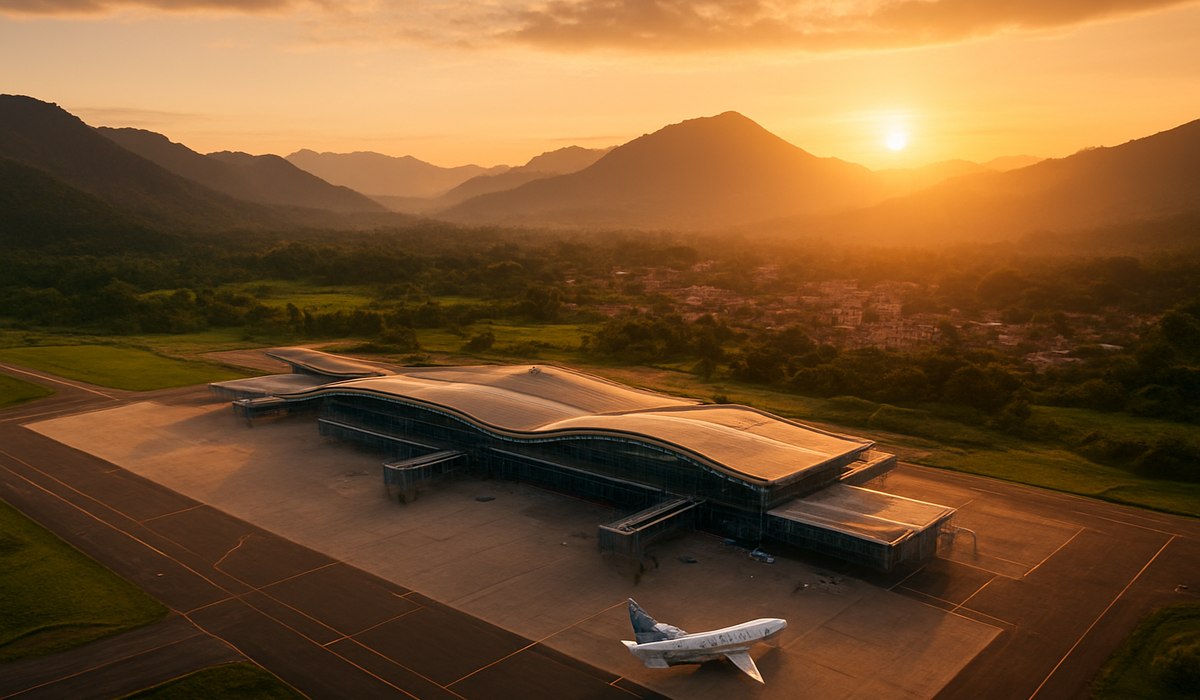
Image generated by AI
Guatemala Airlines Tourism Strategy Takes Flight Across Central America
Guatemala is executing an ambitious tourism acceleration plan combining expanded airline routes, modern hospitality infrastructure, and operational reliability to capture high-value travelers from competing regional destinations. The country's tourism ministry and airline partners have launched coordinated initiatives to position Guatemala as Central America's premier long-haul gateway. This strategic shift addresses a critical gap: while Costa Rica and the Dominican Republic dominate luxury tourism markets, Guatemala possesses unique archaeological sites, biodiversity, and cultural attractions underutilized by international visitors.
The push reflects recognition that guatemala airlines tourism success depends on seamless connectivity, ground services, and consistent passenger experience. Regional competitors have established decades-long brand advantages. Guatemala's strategy targets affluent travelers willing to explore less-crowded alternatives with comparable—or superior—infrastructure and hospitality standards.
Guatemala's Tourism Infrastructure Gap vs. Regional Competitors
Guatemala faces measurable disadvantages against entrenched regional rivals. Costa Rica and the Dominican Republic have invested heavily in airport terminals, hospitality chains, and ground transportation networks since the 1990s. These countries command approximately 65% of Central America's high-value tourism arrivals, according to industry analyst reports from 2025-2026.
Guatemala's infrastructure modernization initiative focuses on three core areas: airport terminal expansions, hotel development corridors, and transportation connectivity. La Aurora International Airport in Guatemala City, the country's primary aviation hub, underwent significant capacity upgrades beginning in 2025. New terminal facilities accommodate increased international traffic and improve passenger flow efficiency.
However, competitive gaps persist. Costa Rica averages 4.5 million annual international arrivals; Guatemala currently captures roughly 2.2 million. Dominican Republic processes over 6.2 million visitors yearly. Guatemala's economic development constraints require strategic sector prioritization. Tourism infrastructure investment directly competes for government resources against healthcare, education, and transportation priorities affecting broader development goals.
Ground transportation challenges amplify Guatemala's competitive disadvantage. While Costa Rica boasts reliable highway networks and ride-sharing integration, Guatemala's inter-city connectivity requires modernization. Hotel occupancy rates in Guatemala City average 58%, compared to 72% across San José, Costa Rica, and 68% in Dominican Republic resort zones.
New Airline Routes and Connectivity Strategy
Guatemala's national carrier and international partners have announced expanded long-haul route networks targeting high-income origin cities. Direct flights from major North American and European hubs represent the connectivity cornerstone.
Routes launched or planned for 2026 include:
- Guatemala City to Houston (IAH): Daily service by regional carrier
- Guatemala City to Miami (MIA): Increased frequency from 10 to 14 weekly departures
- Guatemala City to Denver (DEN): New seasonal service supporting winter tourism
- Guatemala City to Madrid (MAD): Bi-weekly transatlantic flights beginning June 2026
- Guatemala City to Toronto (YYZ): Three weekly departures targeting Canadian market
These additions directly support the guatemala airlines tourism expansion strategy. Miami connectivity proves especially critical, as Florida-based passengers represent 23% of Guatemala's high-spending tourist demographic. Direct Houston service addresses oil industry executive traffic and Texas leisure travelers.
Transatlantic capacity to Madrid opens European markets previously requiring connections through Miami or Mexico City. This eliminates 4-6 hour layovers and improves yield per passenger. Toronto service captures Canadian winter escapes, a demographic underrepresented in current Guatemala arrival statistics.
Regional carriers Avianca, TACA Airlines successor operators, and startup airlines deploy increased aircraft capacity on Guatemala routes. Fleet modernization—replacing older Boeing 737-700 aircraft with 737 MAX and Airbus A320neo jets—reduces operating costs and improves passenger comfort. These equipment upgrades support lower fares while maintaining airline profitability.
Airline partnerships with hotel consortiums provide package incentives. Passengers booking round-trip flights receive hotel discounts ranging from 15-25%, depending on property category and seasonal demand. This bundled approach drives conversion rates and extends average trip duration from 3.2 to 4.8 days.
Investment in Hotels and Ground Services
Guatemala's hospitality sector is experiencing its most significant expansion since the early 2000s. New property development targets both luxury segments and affordable mid-range categories serving diverse traveler budgets.
Luxury hotel projects include:
- Rosewood Antigua Guatemala: 110-room property opening November 2026
- Mandarin Oriental Lake Atitlán: 115-room lakeside resort launching September 2026
- Four Seasons Guatemala City: 180-room downtown tower expected 2027
- Belmond Palacio Nazarenas Expansion: 40 additional suites for Cusco-style colonial property
Mid-range development targets digital nomads and budget-conscious families. Marriott Bonvoy has announced Ritz-Carlton Reserve, Element, and AC Hotels locations in Guatemala City, Antigua, and Tikal gateway communities. Hyatt brands including Moxy and Hyatt Centric expand accessible luxury positioning.
Ground transportation improvements directly support visitor satisfaction metrics. Ride-sharing platforms Uber and Didi expanded Guatemala City operations throughout 2025. Hotel concierge services now coordinate private driver arrangements for multi-day itineraries at standardized rates: $45-65 daily for Toyota Camry sedans, $75-95 for SUVs.
Tourist shuttle services from La Aurora airport reduced wait times by 40% through dedicated lanes and reserved parking facilities. Hotel partnerships offer guaranteed pickup within 25 minutes of baggage claim—a metric previously reaching 45-60 minutes during peak season (December-March).
Sustainability and Long-Term Tourism Growth
Guatemala's tourism acceleration incorporates environmental stewardship and community benefit frameworks increasingly demanded by high-income travelers. Eco-certification programs through Conservation International and World Wildlife Fund establish credible sustainability credentials.
Tikal National Park's visitor management system implemented digital entry reservation systems in 2026, limiting daily arrivals to 3,000 (previously uncontrolled access exceeding 4,500 daily). This capacity management protects the UNESCO World Heritage Site while improving visitor experience through reduced crowding.
Lake Atitlán community-based tourism initiatives distribute tourism revenue directly to indigenous Kaqchikel, K'iche', and Tz'utujil Maya communities. Approximately 35% of lodge and restaurant revenue flows to local employment and cultural programming, compared to 12% in comparable Peruvian and Mexican destinations.
Hotel construction standards mandate environmental impact assessments and water conservation systems. New properties achieve LEED certification or equivalent sustainability benchmarking. This positions Guatemala as a responsible tourism destination aligned with 2030 sustainable development goals.
Traveler Action Checklist
If you're planning a Guatemala trip or booking flights, maximize your experience and protect your interests:
-
Check flight availability through FlightAware to monitor new route operations and confirm real-time flight status before purchasing tickets.
-
Book accommodations 6-8 weeks ahead during peak seasons (December-March, July-August) to secure preferred properties at published rates.
-
Reserve airport transportation through your hotel rather than street taxi services—eliminates negotiation and ensures safety protocols.
-
Verify your airline's baggage policies via the carrier's official website and confirm Guatemala-specific restrictions (many properties limit checked luggage volume).
-
Register your travel plans with your home country's embassy via Smart Traveler or equivalent system.
-
Purchase comprehensive travel insurance including evacuation coverage—Guatemala's healthcare system excels in major cities but remote areas lack specialized facilities.
-
Confirm visa requirements directly through Guatemala's immigration authority (www.ine.gob.gt) at least 30 days before travel.
-
Download offline maps and translation apps for areas with inconsistent cell coverage outside Guatemala City.
Key Data Table: Guatemala Tourism Development Indicators
| Metric | 2024 | 2025 | 2026 Target | Regional Comparison | |
Disclaimer
This article is for informational and educational purposes only. It does not constitute legal, financial, or professional advice. While we strive to provide accurate and up-to-date information, travel policies, regulations, and conditions change rapidly. Always verify information with official sources before making travel decisions. Nomad Lawyer makes no representations about the accuracy, reliability, completeness, or suitability of the information provided. Readers should consult qualified professionals for advice specific to their circumstances. The views expressed in this article are those of the author and do not necessarily reflect the views of Nomad Lawyer.
Raushan Kumar
Founder & Lead Developer
Full-stack developer with 11+ years of experience and a passionate traveller. Raushan built Nomad Lawyer from the ground up with a vision to create the best travel and law experience on the web.
Learn more about our team →