
How Greenland is Implementing Sustainable Arctic Tourism and Local Inuit Heritage Protection Through Expanded Airport Infrastructure in 2026
Greenland launches new aviation links in Nuuk, Ilulissat, and Qaqortoq, establishing modern gateways to protect Inuit culture and manage Arctic tourism.

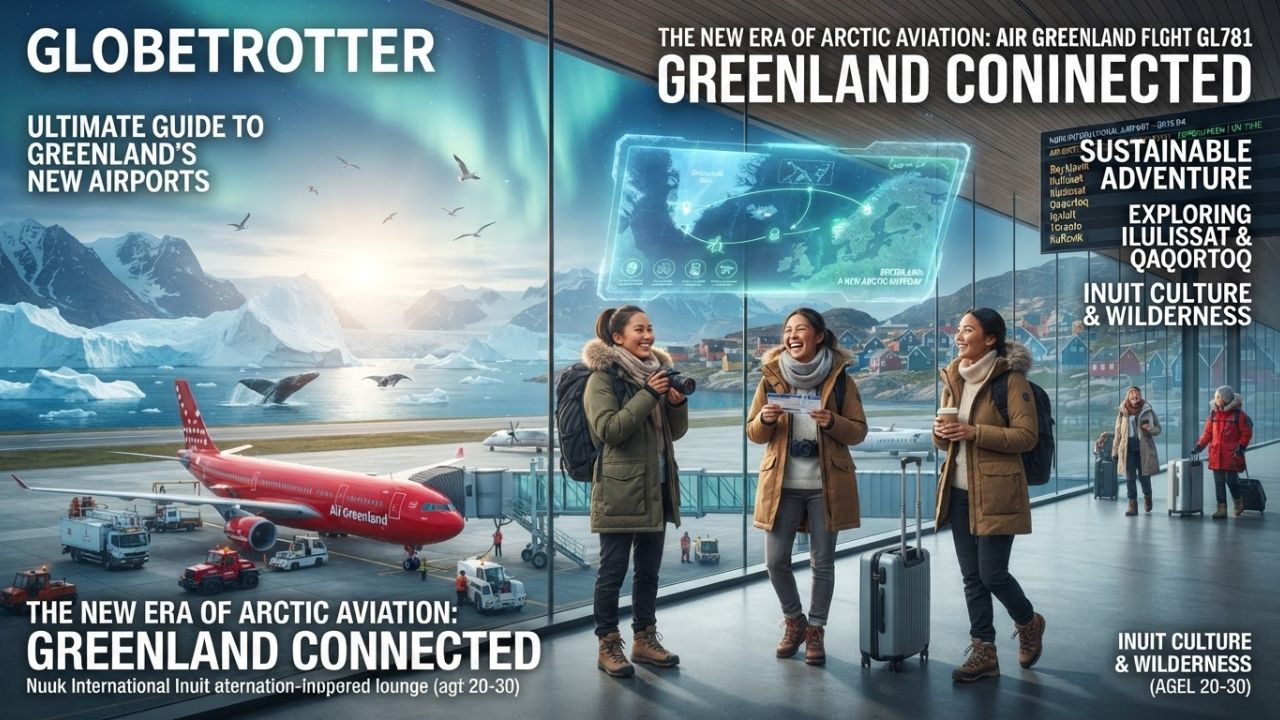
Image generated by AI
How Greenland is Implementing Sustainable Arctic Tourism and Local Inuit Heritage Protection Through Expanded Airport Infrastructure in 2026
Greenland is developing its domestic air transport network to connect remote settlements with international markets, while introducing local ownership rules and cruise taxes to protect Inuit cultural heritage.
The Local Trend Revealed
Greenland is reforming its transport infrastructure with the expansion of runway systems in Nuuk, Ilulissat, and Qaqortoq, according to development reports published on July 21, 2026. Historically, travel to this Arctic territory required transfers through Danish or Icelandic hubs. The modern runways—initiated by Nuuk's international opening in late 2024 and followed by improvements in Ilulissat and Qaqortoq—enable direct international flights, bringing the island closer to global markets.
This infrastructure expansion is crucial for Greenland's approximately 57,000 residents, who are spread across a coastline stretching around 44,000 kilometers. With no roads connecting these coastal communities, air and sea transport represent the only options for movement. By building regional runway systems, the government aims to encourage adventure travelers to visit secondary settlements, distributing visitors beyond traditional entry points.
Cultural & Environmental Value (Information Gain)
As air connectivity grows, the official tourism board, Visit Greenland, and the Greenland Institute of Natural Resources are establishing regulations to protect the Arctic environment and support local economies. Historically, fisheries have generated around 90 percent of Greenland's export earnings. By developing sustainable adventure travel, the government seeks to diversify its economy and build financial independence, supplementing the annual block grant received from Denmark.
To ensure that tourism revenues support local communities rather than flowing to foreign operators, Greenland has introduced:
- Cruise Passenger Levies: Direct taxes on maritime passenger arrivals to support harbor infrastructure.
- Accommodation Surcharges: Overnight taxes that fund local environment protection programs.
- Local Ownership Rules: Policies requiring tourism businesses to have resident partners, ensuring communities retain a share of visitor spending.
- Inuit Cultural Protection: Guidelines developed with herders and hunters to manage visits to small hunting settlements, protecting traditional lifestyles.
Visitor Insider Tips
To help you explore Greenland's Arctic landscapes and respect local communities, destination specialists recommend the following practices.
- Off-Peak Visit Window: The ideal season for hiking and seeing the northern lights is from mid-August to September. Winter sports enthusiasts should plan visits during March or April. High summer (July) is popular but brings heavy swarms of Arctic mosquitoes.
- Respect Sled Dog Guidelines: Sled dogs in Greenland are working animals, not household pets. Never approach, feed, or attempt to photograph working dogs without the owner's explicit permission.
- Follow Kaffemik Etiquette: If invited to a Kaffemik (a traditional Greenlandic social gathering held in local homes), remove your shoes at the entrance. It is customary to take a cup of coffee and a piece of cake, chat with the hosts, and depart within an hour to allow other guests to enter.
- Try Traditional Arctic Specialties: Sample Suaasat (a traditional soup prepared with seal, whale, or seabird meat, seasoned with onions and black pepper). Try local delicacies like Mattak (raw whale skin with blubber) and fresh Arctic char.
- Explore Under-the-Radar Settlements: Take a boat from Ilulissat to the tiny settlement of Ilimanaq. Visitors can stay in solar-powered cabins operated in partnership with local families, experiencing rural life without impacting the environment.
Tourism Outlook
The completion of the Nuuk, Ilulissat, and Qaqortoq airport projects marks a major milestone in Greenland's modernization. By combining infrastructure growth with local ownership requirements and environmental taxes, the territory is building a balanced tourism model. This approach ensures that as direct international flights bring more visitors to Greenland's ice fjords and Inuit communities, local herders, guides, and businesses remain at the center of the region's economic development.
Related Travel Guides
Disclaimer
This article is for informational and educational purposes only. It does not constitute legal, financial, or professional advice. While we strive to provide accurate and up-to-date information, travel policies, regulations, and conditions change rapidly. Always verify information with official sources before making travel decisions. Nomad Lawyer makes no representations about the accuracy, reliability, completeness, or suitability of the information provided. Readers should consult qualified professionals for advice specific to their circumstances. The views expressed in this article are those of the author and do not necessarily reflect the views of Nomad Lawyer.
Kunal K Choudhary
Co-Founder & Contributor
A passionate traveller and tech enthusiast. Kunal contributes to the vision and growth of Nomad Lawyer, bringing fresh perspectives and driving the community forward.
Learn more about our team →