
Maritime Trails: Greece Expands Underwater Tourism with Protected Wrecks
Greece is expanding its cultural travel options by opening protected underwater archaeological parks, celebrating maritime heritage day on August 21.

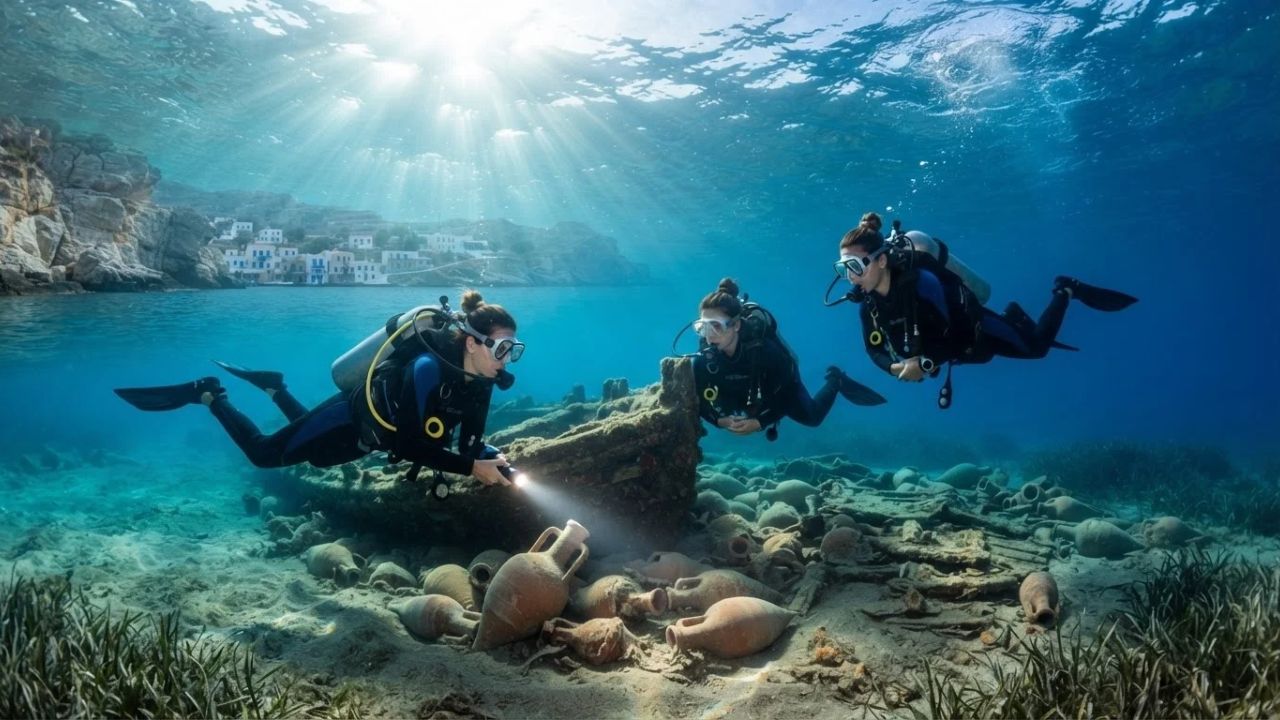
Image generated by AI
Greece is expanding its cultural travel options by opening protected underwater archaeological parks, celebrating the first International Day of Underwater Cultural Heritage on August 21. Following the establishment of a dedicated management organization in July 2026, certified divers can now explore ancient shipwrecks in their original marine environments.
In-Situ Maritime Conservation and the Shift in Dive Tourism
A significant trend in cultural tourism is the development of in-situ underwater museums. Historically, marine artifacts were salvaged, cleaned, and displayed in terrestrial glass cases. In 2026, destination boards are pioneering a shift where the seabed itself functions as an accessible museum. By creating managed dive zones and regulating visitor volume around ancient merchant wrecks, authorities balance historical research with adventure travel.
This structure allows visitors to view classical transport relics and ancient cargo deposits while preventing unauthorized artifact removal and protecting fragile marine ecosystems.
UNESCO Recognition and Global Marine Milestones
Greece's underwater heritage push is aligned with international conservation efforts:
- UNESCO Observance: The first International Day of Underwater Cultural Heritage was celebrated on August 21, following a decision by UNESCO's 43rd General Conference.
- Protection Mandates: The observance highlights the need to protect historic marine locations from damage, illegal removal, and climate challenges.
- Maritime History: Greek waters contain ancient harbor remains, prehistoric submerged settlements, Byzantine structures, and military wrecks spanning thousands of years.
These historical assets provide a foundation for developing structured marine tourism routes.
Accessible Underwater Archaeological Parks
Institutional frameworks developed since 2019 have enabled the creation of accessible dive sites:
- Perissa Shipwreck: Located in the Northern Sporades (referred to as "Northern spores" in regional records), the ancient wreck serves as a leading model for underwater tourism, allowing divers to learn about classical trade routes and ship construction.
- Pagasetic Gulf: Additional underwater archaeological zones have been developed to expand regional cultural travel options.
- Piraeus Silos Museum: Plans are progressing for the National Museum of Underwater Antiquities at the Silos in Piraeus to showcase discoveries to non-diving visitors.
These parks operate under strict conservation guidelines to ensure visitor safety and site integrity.
Regulatory Oversight: July 2026 Management Board
To address the logistics of underwater park management, Greece has upgraded its administrative framework:
- Management Board: In July 2026, Greece established the Management Organisation for Accessible Underwater Cultural Heritage Sites under the Ministry of Culture.
- Coordinated Support: The public-law legal entity works alongside the Ephorate of Underwater Antiquities to resolve technological, environmental, and tourism challenges.
- Specialist Coalition: The organization brings together marine scientists, archaeologists, legal experts, local authorities, and tourism planners.
This administrative team ensures that tourism growth does not damage delicate historical resources.
Greece Underwater Tourism Sites and Management Coordinates
The table below breaks down the primary underwater sites, location hubs, regulatory frameworks, and regional development programs established for the marine tourism sector:
| Archaeological Site | Location Hub Coordinates | Regulatory Framework | Key Tourism Focus | Heritage Organization (Established July 2026) |
|---|---|---|---|---|
| Perissa Wreck | Northern Sporades (Northern spores) | Institutional frameworks (since 2019) | Ancient trade & ship technology | Accessible Underwater Heritage Sites Board |
| Pagasetic Gulf | Volos / Thessaly coast | Marine archaeological parks | Sustainable diving tourism | Ministry of Culture supervision |
| Piraeus Silos | Port of Piraeus (Athens) | National Museum plans | Showcasing dry-land antiquities | Ephorate of Underwater Antiquities |
| UNESCO Day | Global marine sites | 43rd General Conference decision | August 21 heritage protection | UNESCO international observance |
These coordinates outline the locations, milestones, and regulatory bodies established for the underwater tourism sector.
Resource Stewardship and Community Benefits
For the traveler, the benefit of choosing managed dive parks is the opportunity to practice direct resource stewardship. Diving under the supervision of licensed operators ensures that fragile seabed environments are protected from anchor damage and physical contact.
Additionally, marine tourism supports local economies by directing visitor spending to dive shops, boat captains, and family-owned tavernas in coastal villages. Funding from ticket sales helps support ongoing research and monitoring of submerged archaeological structures.
For example, you can explore the changing dynamics of Business Travel: India's Nuclear Expansion Drives MICE Tourism Growth to see how technology partnerships drive business travel. For regional trends, comparing consumer shifts matches other markets, such as the Silver Market: China's Senior Travel Sector Target RMB 2.7 Trillion by 2028 updates. This trend is similar to the tourism growth seen in other destinations, as detailed in our guide on how Utica, New York Emerges as an Affordable Northeast Tourism Hub.
Visitor Insider Tips: Exploring Greek Marine Trails
If you are planning to explore Greece's underwater archaeological sites, keep these practical tips in mind:
- Verify Your Diving Certification: Accessible parks like the Perissa wreck require advanced open-water certifications. Ensure your records are updated.
- Book With Licensed Operators: Only book excursions through diving service providers registered with the Ephorate of Underwater Antiquities.
- Follow the 'No-Touch' Policy: Avoid touching ancient amphorae, ship timber, or marine growth to preserve site integrity.
- Visit Piraeus for Terrestrial Exhibits: If traveling with non-divers, visit Piraeus to view the maritime artifacts displayed on dry land.
- Use Eco-Friendly Gear: Wash your wetsuits and gear before diving to prevent the spread of invasive marine species in the Aegean.
Long-Term Outlook for Mediterranean Underwater Tourism
The long-term outlook for the Mediterranean dive sector is focused on mapping newly discovered deep-water wrecks, deploying real-time underwater monitoring cameras, and establishing cross-border maritime trails. As passenger demand for cultural adventure remains strong, tourism boards will rely on capacity limits to protect fragile wrecks.
By balancing visitor access with historical conservation, the marine sector aims to build a sustainable underwater network.
FAQ
When is the International Day of Underwater Cultural Heritage celebrated?
The day is observed on August 21, established following a decision by UNESCO's 43rd General Conference.
What is the Perissa shipwreck?
The Perissa shipwreck is an ancient merchant wreck located in the Northern Sporades (referred to as Northern spores) that serves as an accessible underwater museum.
When was Greece's new underwater heritage management board established?
The Management Organisation for Accessible Underwater Cultural Heritage Sites was established in July 2026 under the Ministry of Culture.
Can non-divers view Greece's underwater antiquities?
Yes. Non-divers can visit the upcoming National Museum of Underwater Antiquities at the Silos in Piraeus to explore maritime discoveries.
Stay updated on the marine conservation initiatives and diving programs shaping Greek travel.
Related Travel Guides
Disclaimer
This article is for informational and educational purposes only. It does not constitute legal, financial, or professional advice. While we strive to provide accurate and up-to-date information, travel policies, regulations, and conditions change rapidly. Always verify information with official sources before making travel decisions. Nomad Lawyer makes no representations about the accuracy, reliability, completeness, or suitability of the information provided. Readers should consult qualified professionals for advice specific to their circumstances. The views expressed in this article are those of the author and do not necessarily reflect the views of Nomad Lawyer.
Raushan Kumar
Founder & Lead Developer
Full-stack developer with 11+ years of experience and a passionate traveller. Raushan built Nomad Lawyer from the ground up with a vision to create the best travel and law experience on the web.
Learn more about our team →