Greece Joins Portugal, Italy, Spain, and Canada as Top Global Destinations for Hospitality and Cultural Tourism in 2026

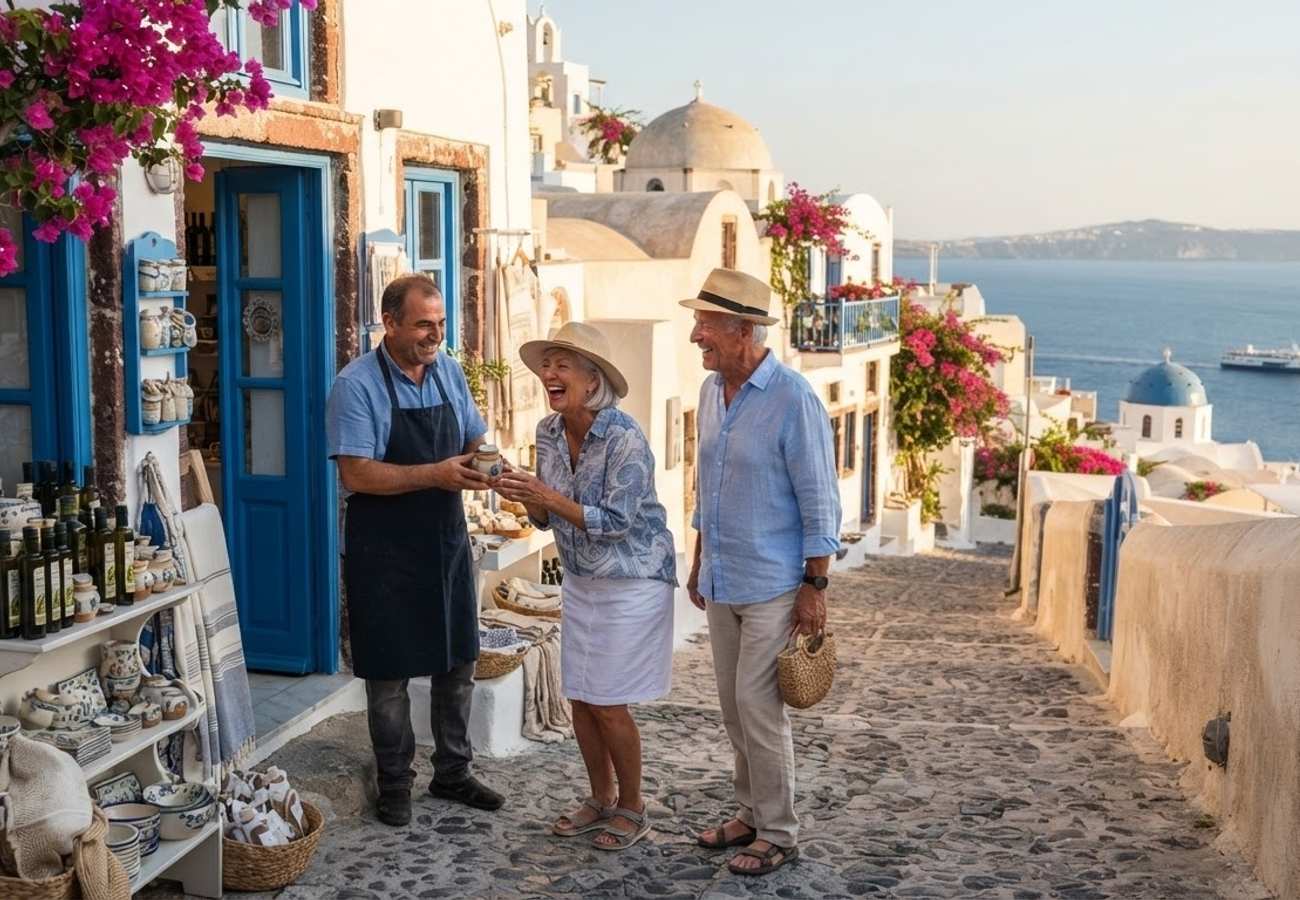
Image generated by AI
Greece has officially aligned with Portugal, Italy, Spain, and Canada as the world's most welcoming destinations, recognized for extraordinary hospitality and cultural preservation. These nations are currently leading global trends in traveler-focused experiences, combining traditional community values with modern tourism infrastructure.
Global Hospitality and Cultural Tourism Analysis
The 2026 transit and tourism landscape highlights a shift toward "emotional connectivity," where destinations are valued not only for their landmarks but for the quality of local interaction. Greece, in particular, has leveraged its ancient tradition of treating guests with honor and generosity to maintain its status as a premier Mediterranean hub.
From the "omotenashi" service culture in Japan to the "Pura Vida" philosophy in Costa Rica, these destinations have integrated their national identity into their tourism product. In Europe, the synergy between Greece, Italy, Spain, and Portugal creates a high-density corridor of hospitality-driven travel, characterized by family-centric dining, coastal accessibility, and deep historical integration.
Comparative Hospitality and Route Specifications
The following data outlines the primary strengths and core experiences of the top-ranked welcoming destinations for 2026.
| Country | Region | Primary Hospitality Strength | Core Travel Experiences |
|---|---|---|---|
| Greece | Europe | Family traditions & Mediterranean welcome | Islands, ancient heritage, cuisine |
| Thailand | Southeast Asia | Traditional warmth & service culture | Beaches, temples, food tourism |
| Japan | Asia | Omotenashi (exceptional respect/service) | Heritage, technology, cuisine |
| Portugal | Europe | Friendly communities & relaxed lifestyle | Coastal towns, culture, wine tourism |
| Canada | North America | Multicultural friendliness | Nature, cities, indigenous culture |
| Italy | Europe | Family-focused hospitality | Food, history, art |
| Spain | Europe | Social culture & vibrant communities | Festivals, beaches, heritage |
| New Zealand | Oceania | Community warmth & outdoor lifestyle | Adventure tourism, nature |
| Ireland | Europe | Storytelling & community spirit | Castles, landscapes, pubs |
| Costa Rica | Central America | Sustainability & positive local culture | Wildlife, forests, beaches |
| Morocco | Africa | Traditional guest culture | Markets, deserts, historic cities |
| Vietnam | Asia | Visitor friendliness | Food, landscapes, heritage |
| Australia | Oceania | Casual openness | Beaches, wildlife, adventure |
| Türkiye | Europe/Asia | Historic guest-welcoming traditions | Heritage, cuisine, landscapes |
Traveler Logistics Guide: Navigating Top Destinations
For travelers planning visits to these high-hospitality hubs, specific logistics are required to optimize the experience and avoid seasonal congestion.
Booking and Connections
- Mediterranean Circuit: When visiting Greece, Italy, and Spain, utilize regional ferry networks for island hopping (e.g., Athens to Santorini or Crete). Pre-booking ferries via official port authorities is recommended during the July-August peak to avoid boarding delays.
- Southeastern Asia Hubs: For those entering Thailand and Vietnam, utilize the growing rail connectivity between major cities to reduce carbon footprints and experience local hospitality in rural transit hubs.
- North American Transit: In Canada, long-distance travel between Vancouver and Toronto is most efficient via air, but the Canadian Rockies require pre-arranged shuttle services for national park access.
Customs and Digital Transit Policies
- EU Entry: Travelers to Greece, Italy, Spain, and Portugal should monitor the implementation of ETIAS (European Travel Information and Authorisation System) to ensure seamless border crossings.
- Japan Entry: Utilize the Visit Japan Web digital service for expedited customs and immigration processing to maintain the efficiency associated with Japanese transit.
Optimal Layover Strategies
- Athens (ATH) and Lisbon (LIS): These airports serve as primary gateways. A minimum 4-hour layover is suggested for connecting flights to ensure sufficient time for security re-screening and terminal transfers.
Infrastructure Impact Assessment
The recognition of these nations as "most welcoming" has a direct impact on regional infrastructure. There is a visible trend toward "community tourism," where investment is shifting from mega-resorts to boutique, family-run establishments.
In Greece, this is evident in the revitalization of small island villages and the promotion of culinary experiences based on fresh, local ingredients. In Canada and New Zealand, the focus has shifted toward sustainable eco-tourism and indigenous-led tours, which preserve cultural integrity while increasing tourist spend in rural areas.
This shift in tourism philosophy—prioritizing the human element over the architectural—is driving a demand for more flexible transit options and "slow travel" itineraries, allowing visitors to engage more deeply with the local populations that define these destinations.
Hospitality remains the ultimate catalyst for sustainable global tourism growth.
Related Travel Guides
This article is for informational purposes. Flight routes, passenger regulations, visa rules, and transit advisories are subject to change by airlines and aviation authorities. Readers are advised to verify schedules and travel documentation with relevant carriers and border agencies before departure.
Related Stories

Greece Targets North American High-Spenders with Off-Peak Heritage Tours and New Flight Routes 2026

European Mass Protests Disrupt Travel Across France, Italy, Belgium, and Turkey in 2026