
Grasse May Rose Harvesting and Historic Perfumery Masterclasses Transform Fragrance Tourism
Olfactory heritage tourism is expanding, linking Grasse's May rose harvesting masterclasses with historic fragrance terroirs in Oman, India, and Tuscany.

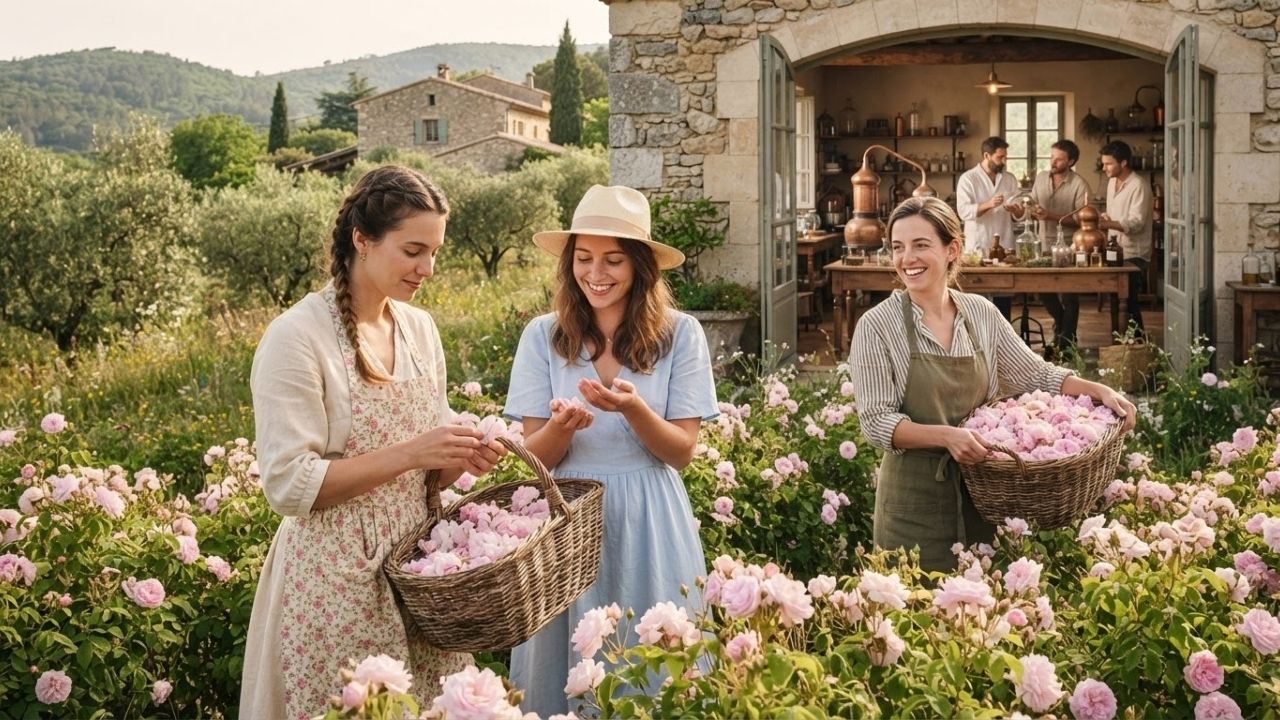
Image generated by AI
Olfactory heritage tourism is emerging as a growing global travel movement. By connecting botanical harvests, historic distillation workshops, and custom fragrance blending, destination routes across Grasse, Oman, India, and Italy offer travelers an immersive way to experience fine perfumery.
Grasse May Rose Harvest and Masterclass Creation Workshops
[GRASSE, France] — The French city of Grasse, long recognized as the perfume capital of the world, is seeing a surge in international visitors seeking hands-on botanical travel experiences. Located in the Provençal Mediterranean foothills, Grasse offers visitors the opportunity to participate directly in spring floral harvests and historic perfumery masterclasses.
Every spring, travelers gather to harvest delicate May roses (Rosa centifolia) and jasmine by hand:
- Historic Extraction Methods: Master perfumers, known locally as nez, guide visitors through traditional enfleurage, solvent extraction, and steam distillation.
- Bespoke Perfume Creation: Interactive "Nose for a Day" workshops allow participants to blend personalized eau de parfum using rare floral notes.
- Botanical Terroir Exploration: Guided walks through historic rose fields explain how Provençal microclimates produce transparent, luminous floral profiles.
Engaging directly with these heritage methods provides travelers with an appreciation of the agricultural craftsmanship required for luxury fragrance production.
Jabal Akhdar's High-Altitude Omani Roses and Kannauj Hydro-Distillation
Global fragrance travel routes extend across ancient botanical terroirs in the Middle East and Asia:
Jabal Akhdar, Oman: High-Altitude Damask Roses
High on the rugged limestone terraces of Jabal Akhdar in Oman, wild damask roses are harvested on steep cliff sides during brisk spring mornings. Villagers transport the pink blooms to mountain stone huts, utilizing direct-fire copper pot stills without modern condensers to craft smoky, highly concentrated royal-grade Arabian attar oils.
Kannauj, India: The Grasse of the East
Located along the alluvial plains of the Ganges River, the Indian town of Kannauj preserves centuries-old Deg-Bhapka hydro-distillation traditions. Master artisans route steam from mud-sealed copper stills (degs) through bamboo pipes into submerged receivers. This electricity-free process produces iconic natural scents, including Mitti attar—an oil capturing the earthy petrichor of parched earth meeting monsoon rain.
Renaissance Monastic Apothecaries and Iris Curing in Tuscany
In Italy, historic apothecary workshops and monastic gardens across Florence and Siena preserve Renaissance herbal extractions and citrus essences:
- Iris Rhizome Underground Curing: Local experts cure Florentine iris rhizomes (orris root) underground for several years to develop their characteristic powdery butter scent profile.
- Monastic Dispensary Archives: Visitors explore ancient cloisters and handwritten formulation ledgers detailing traditional grape-spirit maceration techniques.
- Apothecary Workshops: Interactive sessions teach participants how historical alchemists converted medicinal herbs into wearable botanical fragrances.
The table below outlines primary terroirs, signature extraction methods, iconic scent profiles, and visitor activities across global olfactory destinations:
| Fragrance Destination | Primary Terroir Focus | Signature Extraction Method | Iconic Scent Profile | Immersive Visitor Activity |
|---|---|---|---|---|
| Grasse, France | Provençal Mediterranean foothills | Solvent extraction, steam & enfleurage | Dewy, transparent, ultra-refined floral | "Nose for a Day" custom perfume workshop |
| Jabal Akhdar, Oman | Arid high-altitude limestone terraces | Direct-fire copper pot steam distillation | Warm, spicy, deeply woody-floral rose | Trekking stone-terraced rose orchards in spring |
| Kannauj, India | Ganges alluvial river plains | Deg-Bhapka (mud-sealed hydro-distillation) | Earthy petrichor (Mitti), white jasmine | Monitoring copper stills & vapor temperatures |
| Tuscany, Italy | Monastic gardens & historic labs | Maceration, tincture & iris rhizome curing | Powdery iris, medicinal herbs, crisp citrus | Exploring Renaissance apothecary archives |
Why This Matters for Passengers and Fragrance Enthusiasts
For travelers interested in sustainable and sensory travel, participating in an olfactory heritage route provides a deep connection to regional agriculture and ancient chemistry. Whether picking May roses in Grasse, observing copper pot distillation in Oman, or blending attars in Kannauj, visitors gain a unique perspective on fine perfume. Supporting heritage scent houses directly helps preserve ancestral botanical knowledge and protects fragile agricultural ecosystems.
Frequently Asked Questions
What is olfactory heritage tourism?
Olfactory heritage tourism is a specialized form of slow travel focused on visiting botanical harvest fields, historic scent distillation mills, and perfumery masterclasses to learn about natural fragrance creation.
When does the May rose harvest take place in Grasse?
The May rose (Rosa centifolia) harvest in Grasse takes place during the spring, typically throughout the month of May, followed by jasmine harvesting later in the season.
What is Mitti attar in Kannauj perfumery?
Mitti attar is a traditional Indian perfume oil produced in Kannauj by hydro-distilling baked alluvial clay into sandalwood oil, capturing the distinct scent of rain hitting dry earth (petrichor).
Related Travel Guides
French Riviera and Grasse Countryside Complete Travel Guide
Tuscany Monastic Gardens and Hill Towns Itinerary Guide
10 Best Sensory and Cultural Travel Experiences in the World, According to Reddit
Disclaimer
This article is for informational and educational purposes only. It does not constitute legal, financial, or professional advice. While we strive to provide accurate and up-to-date information, travel policies, regulations, and conditions change rapidly. Always verify information with official sources before making travel decisions. Nomad Lawyer makes no representations about the accuracy, reliability, completeness, or suitability of the information provided. Readers should consult qualified professionals for advice specific to their circumstances. The views expressed in this article are those of the author and do not necessarily reflect the views of Nomad Lawyer.
Raushan Kumar
Founder & Lead Developer
Full-stack developer with 11+ years of experience and a passionate traveller. Raushan built Nomad Lawyer from the ground up with a vision to create the best travel and law experience on the web.
Learn more about our team →