
Grand Canyon Forget the Crowds: Hidden Trails Rival Bright Angel in 2026
In 2026, adventurous travelers are discovering lesser-known Grand Canyon trails that match Bright Angel's scenery without the overwhelming crowds. These hidden routes offer solitude and authentic wilderness experiences for hikers seeking alternatives to overcrowded pathways.

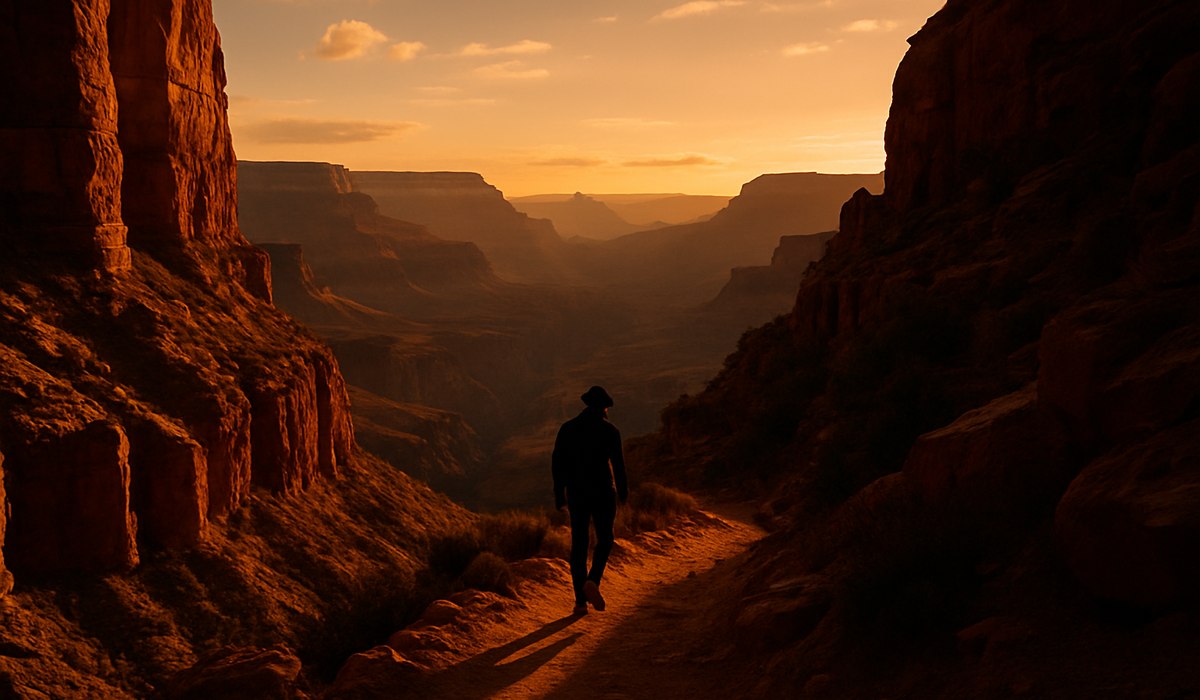
Image generated by AI
Travelers Skip Bright Angel Trail for Solitude-Focused Grand Canyon Routes
Grand Canyon hikers are increasingly abandoning the famous Bright Angel Trail in favor of lesser-known alternatives that deliver equally stunning scenery without the endless queues. As visitor numbers surge in 2026, savvy adventurers seek out remote routes offering genuine solitude and unobstructed views of the canyon's geological majesty. This shift represents a broader travel trend where authentic experiences trump Instagram-famous destinations.
The Bright Angel Trail remains the park's most accessible descent into the canyon. However, daily foot traffic now exceeds 2,000 hikers during peak season. Alternative trails provide comparable vistas while maintaining the peaceful wilderness atmosphere that draws people to the Grand Canyon initially.
Why Bright Angel Trail Gets Overcrowded
The Bright Angel Trail's popularity stems from practical advantages that don't require advanced hiking experience. Its well-maintained switchbacks accommodate casual day hikers, families with children, and backpackers of varying skill levels. The trail features established rest houses, reliable water sources, and clearly marked mileage indicators that appeal to less experienced adventurers.
The National Park Service manages approximately 4.5 million annual Grand Canyon visitors, with 70% concentrating on South Rim trails. Bright Angel absorbs disproportionate crowds because it offers South Rim access without technical climbing skills. During summer months, parking areas fill by 8 a.m., and ranger-enforced capacity limits prevent many hikers from even starting the descent. The trail's proximity to Grand Canyon Village and established infrastructure create self-reinforcing popularity that deters independent exploration of neighboring routes.
Visit the official Grand Canyon National Park website for current capacity information and permit requirements.
The Best Lesser-Known Alternative Trail
The South Kaibab Trail represents the premier alternative for solitude-seeking hikers prepared for a more demanding experience. This 6.3-mile descent features unrelenting switchbacks, zero shade coverage, and no water sources—factors that naturally limit daily visitors to approximately 200-300 hikers compared to Bright Angel's thousands.
South Kaibab delivers unparalleled scenic rewards precisely because few choose its austere conditions. Hikers reach Ooh Aah Point after 1.5 miles, where canyon views rival anything accessible on more crowded routes. The trail's exposed geology reveals layers spanning nearly two billion years of Earth's history, making it a premier destination for geology enthusiasts and serious photographers seeking pristine landscape imagery.
Alternatively, the Grandview Trail offers historical significance and moderate solitude. Originally constructed in 1897 by miners seeking copper deposits, this route descends 2,600 feet across dramatically varied terrain. Its 5.5-mile descent presents technical challenges without requiring ropes or specialized equipment, attracting experienced hikers who appreciate historical context alongside natural beauty.
Check TripAdvisor's Grand Canyon hiking reviews for recent traveler experiences and trail condition updates.
What Makes These Trails Worth the Detour
Alternative trails demand greater physical preparation but reward hikers with psychological benefits of genuine wilderness solitude. The South Kaibab Trail's exposed ridge line provides 360-degree panoramic views unavailable from switchback sections where hikers walk among crowds. Grandview Trail's serpentine descent through five distinct ecological zones reveals botanical and geological diversity within a single hike.
Lesser-known routes also preserve the Grand Canyon experience that early 20th-century explorers encountered—a sense of personal discovery rather than tourism processing. Hikers report stronger connections to the landscape when experiencing it without constant background conversations and smartphone cameras. The physical difficulty becomes psychologically rewarding, transforming exercise into meditation.
Weather patterns and seasonal variations affect lesser-known trails differently than heavily-trafficked routes. Solitary hikers can adjust pace without accommodating group dynamics or waiting for others to navigate switchbacks. This flexibility proves especially valuable during shoulder seasons when temperature variations exceed what crowded trails can accommodate.
Practical Tips for Hiking This Hidden Route
Preparation separates successful alternative trail experiences from dangerous situations. The South Kaibab Trail requires starting at dawn, carrying 2-3 liters of water per person, and descending only 1.5 miles for day hikers without advanced fitness. The trail's exposed switchbacks provide zero shade; sun protection becomes essential even for hikers accustomed to desert environments.
Grandview Trail demands proper footwear with aggressive tread patterns. Its unmaintained sections include loose scree slopes requiring deliberate foot placement. Water cannot be relied upon, necessitating full capacity hydration packs before departure. Starting early provides maximum daylight for navigation without artificial illumination.
Permits govern overnight camping on both alternative routes. Reserve permits months in advance through the Grand Canyon Backcountry Information Center. Day hikes don't require permits but do require entrance fees and adherence to posted usage restrictions. Weather can change rapidly; check forecasts immediately before departure and inform rangers of your intended route.
Hiring professional guides through authorized concessioners adds safety margins, especially for unfamiliar terrain. Guides understand water source reliability, seasonal hazards, and optimal timing that transform risky adventures into secure explorations.
Best Time to Visit
Late April through May represents optimal conditions for alternative Grand Canyon trails. Spring temperatures range between 50-75°F, providing comfortable hiking without extreme heat stress. Water sources are more reliable following snowmelt, reducing hydration concerns on remote routes. May's extended daylight permits full-day explorations with adequate return margins.
September through October mirrors spring conditions with reversed water availability dynamics. Fall features cooler evening temperatures ideal for multi-day backpacking when permits permit overnight camping. Deciduous trees along lower elevations provide occasional shade unavailable during summer.
Winter presents accessibility challenges; snow and ice create technical difficulties on exposed switchbacks. Summer heat becomes dangerous on exposed trails like South Kaibab; temperatures exceed 110°F at lower elevations while rim temperatures remain 20-30°F cooler. Monsoon season (July-September) brings unpredictable lightning hazards for exposed ridge-line trails.
How to Get There
Grand Canyon National Park's South Rim entrance lies 80 miles north of Flagstaff, Arizona, accessed via Arizona State Route 180. From Phoenix, the drive requires approximately 4 hours; from Las Vegas, expect 4.5 hours via the North Rim approach.
South Kaibab trailhead begins at Yaki Point, requiring free shuttle transportation from Grand Canyon Village during peak seasons. Parking fills quickly; arrive before 7 a.m. or utilize shuttle services from nearby hotels. Grandview Trail trailhead sits 12 miles east of Grand Canyon Village along Desert View Drive, with dedicated parking accommodating 20-30 vehicles.
Commercial flights connect Phoenix and Las Vegas to regional airports. Car rentals from Flagstaff provide flexibility, though advance reservations prove essential during peak tourist season. The park charges $35 per vehicle for seven-day entrance permits; annual passes cost $80.
Key Data Table
| Factor | South Kaibab Trail | Grandview Trail | Bright Angel Trail |
|---|---|---|---|
| Daily Visitors | 200-300 | 150-200 | 2,000+ |
| Trail Length (one-way) | 6.3 miles | 5.5 miles | 9.5 miles |
| Elevation Drop | 4,780 feet | 2,600 feet | 4,380 feet |
| Water Sources | None | Limited/seasonal | Established stations |
| Difficulty Rating | Very Difficult | Difficult | Moderate-Difficult |
| Shade Available | Minimal | Moderate | Moderate |
| Best Season | April-May, Sept-Oct | April-May, Sept-Oct | March-October |
| Permit Required | Yes ( |
Disclaimer
This article is for informational and educational purposes only. It does not constitute legal, financial, or professional advice. While we strive to provide accurate and up-to-date information, travel policies, regulations, and conditions change rapidly. Always verify information with official sources before making travel decisions. Nomad Lawyer makes no representations about the accuracy, reliability, completeness, or suitability of the information provided. Readers should consult qualified professionals for advice specific to their circumstances. The views expressed in this article are those of the author and do not necessarily reflect the views of Nomad Lawyer.
Preeti Gunjan
Contributor & Community Manager
A passionate traveller and community builder. Preeti helps grow the Nomad Lawyer community, fostering engagement and bringing the reader experience to life.
Learn more about our team →