
Hawaii Outdoor Largest Artificial Lake: 2026 Recreation Guide
Hawaii's largest artificial lake emerges as a premier outdoor destination in 2026, offering world-class fishing, water sports, and dramatic mountain scenery for adventure travelers seeking alternatives to traditional beach vacations.

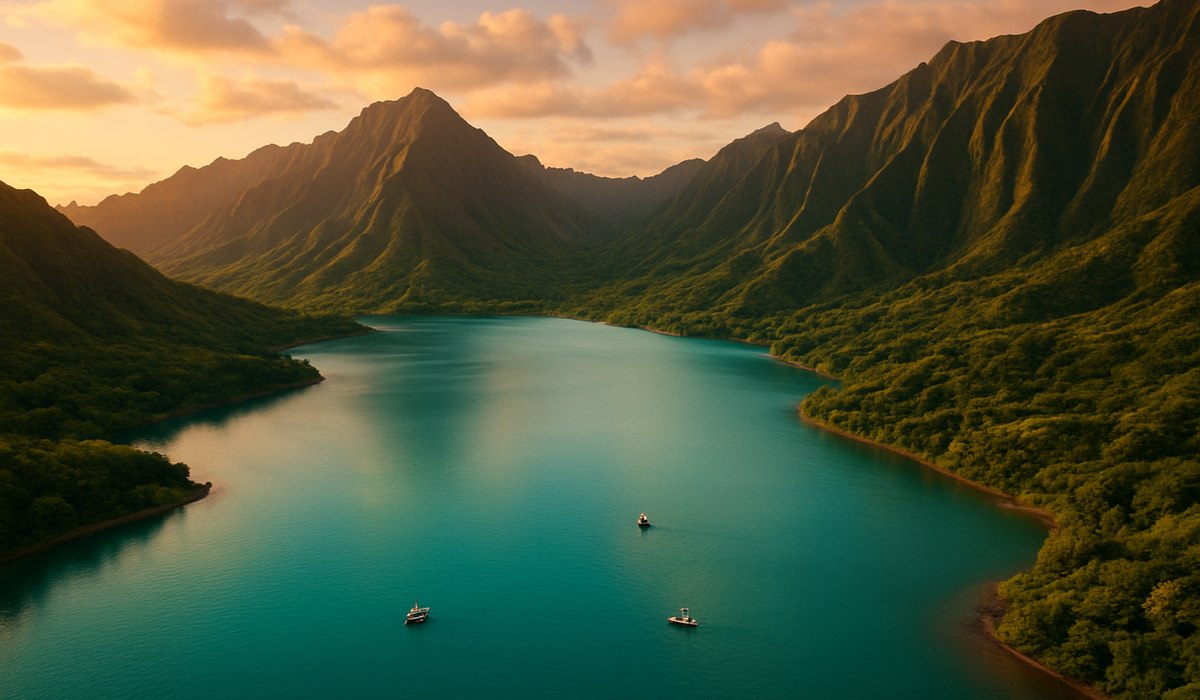
Image generated by AI
Hawaii's Largest Artificial Lake Gains Recognition as Must-Visit Outdoor Destination
Wailoa Reservoir, Hawaii's largest manmade lake, is capturing increased attention from travelers in 2026 seeking authentic outdoor experiences beyond crowded beaches. Nestled on the Big Island, this expansive 3,000-acre water body combines dramatic volcanic mountain vistas with accessible recreation opportunities. The surge in visitor interest reflects a broader travel trend among remote workers and nomadic professionals seeking destinations that balance adventure, natural beauty, and practical accessibility—particularly for digital nomads who can work from Hawaii while enjoying premier outdoor activities.
This scenic lake destination offers something distinctly different from Hawaii's famous coastal attractions. Surrounded by imposing mountain peaks and lush native vegetation, Wailoa Reservoir provides a compelling alternative for travelers wanting solitude, productive fishing expeditions, and water-based adventures without the tourist congestion of Waikiki or Maui's resort corridors.
What Makes This Lake Hawaii's Premier Outdoor Destination
Wailoa Reservoir stands as Hawaii's outdoor largest artificial lake, spanning over 3,000 surface acres when full. The lake's dramatic setting—ringed by volcanic slopes rising toward the Kohala and Mauna Kea summits—creates some of the Pacific's most compelling scenic mountain backdrops. The surrounding landscape showcases native Hawaiian terrain rarely accessible to casual visitors, with preserved ecological zones that support both recreational activity and conservation efforts.
The reservoir was constructed in 1968 as part of Hawaii's water management infrastructure, transforming an agricultural valley into a recreational oasis. What began as purely utilitarian infrastructure has evolved into a destination where outdoor enthusiasts discover world-class recreation opportunities. The lake's elevation and location provide consistent weather patterns and water clarity that differ significantly from coastal conditions, offering unique seasonal advantages for specific activities. Visit Hawaii's official tourism board for comprehensive destination planning resources that highlight the Big Island's diverse attractions beyond the reservoir itself.
Fishing Opportunities and Best Seasons to Visit
Best Time to Visit
The fishing calendar at Wailoa Reservoir runs year-round, though specific seasons favor particular species and conditions. Winter months (December through March) bring optimal freshwater conditions and cooler temperatures that enhance fishing productivity. Spring (April through May) offers transitional conditions with moderate temperatures and manageable crowds. Summer (June through August) presents warm water conditions and longer daylight hours, attracting families and casual anglers. Fall (September through November) delivers excellent opportunities with returning fish populations and clearing water after seasonal rains.
The most productive fishing season aligns with cooler water temperatures and increased insect hatching activity. Experienced anglers recommend visiting during early morning hours before wind patterns affect surface conditions. The reservoir's elevation means afternoon weather can shift rapidly, so waterside planning should account for variable conditions throughout the day. Consult TripAdvisor's Big Island guides for real-time visitor experiences and current fishing reports from recent travelers.
Water Sports and Adventure Activities Available
Beyond fishing, Wailoa Reservoir accommodates diverse water recreation pursuits. Kayaking has emerged as particularly popular, with calm water sections ideal for beginners and challenging zone areas satisfying experienced paddlers. Stand-up paddleboarding (SUP) offers accessible entry points for fitness-focused travelers and those seeking low-impact water activity combined with scenic mountain immersion.
Hiking trails encircle substantial portions of the lake, ranging from easy two-mile circuits accessible to casual walkers to challenging ridge-line routes requiring moderate technical skills. Mountain biking opportunities exist on maintained access roads and volunteer-maintained single tracks. Picnicking facilities dot strategic locations around the reservoir, allowing travelers to combine multiple activities within full-day itineraries. Photography enthusiasts find exceptional landscape composition opportunities, particularly during golden hour lighting when mountain shadows create dramatic foreground interest against water reflections.
The artificial lake also supports diving activities in designated zones, though participants must obtain local permission and follow water safety protocols established by Hawaii's Department of Land and Natural Resources.
Getting There and Travel Tips for Nomad Lawyers
How to Get There
Wailoa Reservoir sits approximately 45 minutes inland from Kailua-Kona International Airport (KOA) via Hawaii Route 190 and connecting regional highways. Standard rental vehicle categories suffice for main access roads, though high-clearance vehicles provide advantages if accessing remote trailheads. The drive from Hilo International Airport (KOA) requires approximately 90 minutes, crossing the Big Island's dramatic volcanic plateau.
Public transportation options remain limited; most visitors arrange rental vehicles for multi-day stays. Several shuttle services operate from major resort areas, though advance booking proves essential during peak seasons. The reservoir sits at roughly 2,200 feet elevation, so high-altitude adjustment considerations apply for visitors arriving from sea-level locations.
Professional remote workers and digital nomads should note that cellular connectivity varies substantially depending on specific reservoir locations and carrier infrastructure. Verify coverage with your provider before scheduling client calls or deadline work near the water. Accommodation options range from nearby towns like Waikoloa (offering resort-style lodging) to Hilo (providing budget-friendly options with more robust service infrastructure).
The lake's location offers practical advantages for extended stays. Unlike coastal tourism centers, the reservoir area maintains reasonable accommodation pricing and attracts fewer international tourists, creating quieter working environments for laptop-based professionals.
Key Data Table: Wailoa Reservoir Recreation Facts
| Factor | Detail |
|---|---|
| Size | 3,000+ surface acres when full |
| Elevation | Approximately 2,200 feet above sea level |
| Primary Fish Species | Largemouth bass, bluegill, tilapia, carp |
| Best Fishing Months | December through May |
| Access Points | Three public boat launches plus hiking access |
| Year Constructed | 1968 |
| Location | Big Island's Kohala region |
| Distance from Kona Airport | Approximately 45 minutes by vehicle |
| Peak Visitor Season | June through August |
| Recommended Activity Duration | Full-day minimum; 2-3 day trips optimal |
What This Means for Travelers
Wailoa Reservoir's recognition as Hawaii's premier artificial lake destination offers several practical advantages for 2026 travelers:
-
Escape crowded beach tourism: The inland location and specialized outdoor focus naturally limits visitor volume compared to coastal resorts, providing authentic Hawaiian experiences without overwhelming crowds.
-
Combine work and recreation: Digital nomads and remote professionals discover ideal conditions for balancing laptop work schedules with afternoon outdoor activities, particularly during shoulder seasons when weather remains favorable.
-
Plan multi-activity itineraries: Single-destination trips to the reservoir accommodate fishing, hiking, water sports, and scenic photography within logical daily schedules, reducing transportation friction between activities.
-
Access year-round recreation: Unlike seasonal beach conditions, the lake supports consistent activity opportunities across all four seasons, allowing flexible trip scheduling around work calendars.
-
Budget efficiently: Modest accommodation pricing and minimal entrance fees mean extended stays become financially feasible compared to traditional Hawaiian resort destinations.
FAQ
What fish species thrive in Wailoa Reservoir?
Largemouth bass constitute the primary sport fish, with populations supporting both casual and competitive angling. Bluegill, tilapia, and carp provide additional variety. The reservoir's freshwater ecology differs substantially from saltwater species, requiring different tackle and technique approaches.
Are fishing licenses required for Wailoa Reservoir?
Yes, Hawaii requires freshwater fishing licenses regardless of your residency status. Day licenses, week licenses, and annual permits are available through the Department of Land and Natural Resources. License procedures have streamlined significantly, with online purchasing available for most visitors.
What safety equipment do I need for kayaking or paddleboarding?
Hawaii law mandates personal flotation
Disclaimer
This article is for informational and educational purposes only. It does not constitute legal, financial, or professional advice. While we strive to provide accurate and up-to-date information, travel policies, regulations, and conditions change rapidly. Always verify information with official sources before making travel decisions. Nomad Lawyer makes no representations about the accuracy, reliability, completeness, or suitability of the information provided. Readers should consult qualified professionals for advice specific to their circumstances. The views expressed in this article are those of the author and do not necessarily reflect the views of Nomad Lawyer.
Kunal K Choudhary
Co-Founder & Contributor
A passionate traveller and tech enthusiast. Kunal contributes to the vision and growth of Nomad Lawyer, bringing fresh perspectives and driving the community forward.
Learn more about our team →