
Grand Canyon National Park Issues Crisis Alert as Extreme Heatwave Triggers Safety Crackdown
Authorities at Grand Canyon National Park have issued an urgent hiking alert following a series of heat-related fataliti

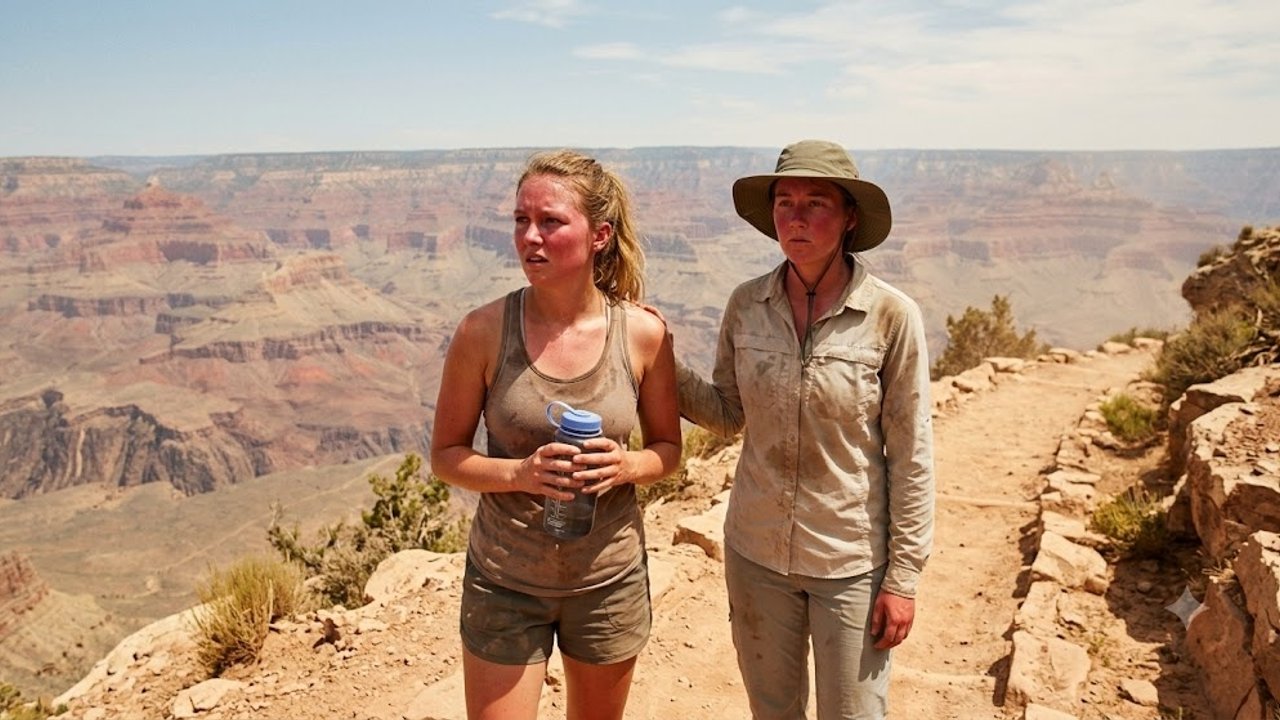
Image generated by AI
Extreme Heatwave Forces Stricter Visitor Controls
Grand Canyon National Park has entered a state of heightened alert as an intense summer heatwave pushes temperatures to dangerous levels. In response, park authorities have implemented a safety crackdown and stricter visitor controls, particularly for those attempting to trek through the inner canyon.
The combination of steep elevation changes, reflective rock walls, and a lack of natural shade has created a high-risk environment. Officials warn that these conditions frequently exceed safe human endurance levels, making daytime trekking increasingly hazardous.
The Inner Canyon: A High-Risk Thermal Zone
While the park is vast, the inner canyon is currently identified as the most critical risk zone. Due to the depth of the canyon and restricted airflow, heat becomes trapped, significantly amplifying thermal stress on the body.
Even in shaded areas, temperatures are regularly surpassing 43°C. The radiant heat from the canyon walls further increases the perceived temperature, meaning that standard hiking preparations may no longer be sufficient to ensure visitor safety.
Essential Safety and Hydration Protocols
To combat the rising number of heat-related emergencies, including heatstroke and severe dehydration, park authorities have reinforced the following mandatory safety guidelines:
- Hydration Strategy: Hikers must carry more water than they believe they will need and drink at regular intervals, regardless of whether they feel thirsty. The use of electrolytes is strongly recommended to maintain mineral balance.
- Clothing Requirements: Visitors should wear lightweight, loose-fitting, and breathable fabrics. Sun-protective materials are essential to minimize direct solar exposure and reduce body heat retention.
- Pacing and Rest: Frequent rest periods in shaded areas are critical. Authorities warn that pushing through fatigue during peak heat can lead to rapid physical collapse.
- Symptom Awareness: Immediate cessation of activity is required if dizziness, confusion, nausea, or extreme fatigue occur.
Critical Timing: Avoiding the Midday Danger Window
Timing is now considered as vital as equipment. Park officials are strongly discouraging any strenuous hiking during the peak heat window, which typically spans from late morning to mid-afternoon.
During this period, solar radiation is at its peak and natural cooling is at its lowest. Visitors are urged to reschedule their excursions for the early morning or late evening. However, officials remind travelers that desert conditions remain demanding even outside these peak hours.
Recent Fatalities Underscore Environmental Risks
The intensification of these warnings follows several recent fatalities on popular hiking routes. These incidents have involved a diverse range of age groups, proving that the extreme heat is a universal threat that affects both novice and experienced hikers.
Many of these tragedies occurred within the inner canyon, highlighting a dangerous trend of visitors underestimating the severity of the desert environment and the physical toll of ascending steep trails in extreme heat.
Emergency Preparedness and Personal Responsibility
A formal extreme heat alert is currently in effect. Because mobile connectivity is limited throughout the canyon terrain, authorities are emphasizing personal responsibility and meticulous planning.
Visitors are urged to:
- Select shorter, less strenuous routes.
- Inform a third party of their specific route and expected return time.
- Be prepared to abandon their plans if environmental conditions deteriorate.
Summary of Heat Risks and Safety Measures
| Risk Factor | Impact | Recommended Mitigation |
|---|---|---|
| Peak Temperature | Exceeding 43°C (110°F) | Avoid hiking between late morning and mid-afternoon |
| Inner Canyon Terrain | Trapped heat & radiant rock warmth | Prioritize shaded rest areas; avoid deep descents |
| Hydration Loss | Rapid dehydration & heatstroke | Carry excess water; use electrolyte supplements |
| Physical Exertion | Increased cardiovascular strain | Choose shorter routes; monitor for dizziness/nausea |
| Communication | Limited mobile signal | Share itineraries with others before departing |
Key Takeaways
- Extreme Danger: Inner canyon temperatures are exceeding 43°C, creating life-threatening conditions.
- Timing is Key: Hiking is strongly discouraged from late morning through mid-afternoon.
- Fatalities Reported: Recent deaths across various age groups highlight that no hiker is immune to heatstroke.
- Strict Protocols: Breathable clothing, aggressive hydration, and electrolyte replacement are now essential for survival.
FAQ
What is the most dangerous time to hike in the Grand Canyon during a heatwave? The most critical risk period is from late morning to mid-afternoon, when solar radiation is strongest and temperatures peak.
Why is the inner canyon more dangerous than the rim? The inner canyon traps heat due to its depth and surrounding rock walls, which radiate heat back at hikers, while the steep climb back up increases physical strain.
What should I do if I feel dizzy or nauseous while hiking? You should stop immediately, find the nearest shade, and begin cooling down and hydrating. These are early signs of heat exhaustion and can quickly lead to heatstroke.
Related Travel Guides
Disclaimer
This article is for informational and educational purposes only. It does not constitute legal, financial, or professional advice. While we strive to provide accurate and up-to-date information, travel policies, regulations, and conditions change rapidly. Always verify information with official sources before making travel decisions. Nomad Lawyer makes no representations about the accuracy, reliability, completeness, or suitability of the information provided. Readers should consult qualified professionals for advice specific to their circumstances. The views expressed in this article are those of the author and do not necessarily reflect the views of Nomad Lawyer.
Preeti Gunjan
Contributor & Community Manager
A passionate traveller and community builder. Preeti helps grow the Nomad Lawyer community, fostering engagement and bringing the reader experience to life.
Learn more about our team →